How to Make Vegetable Stock from Scraps (and What Actually Goes In It)
Scrap-bag vegetable stock is free, takes 45 minutes, and tastes better than most cartons. But not every scrap belongs in it - some will make your stock bitter or muddy. Here's exactly what to save and what to skip.
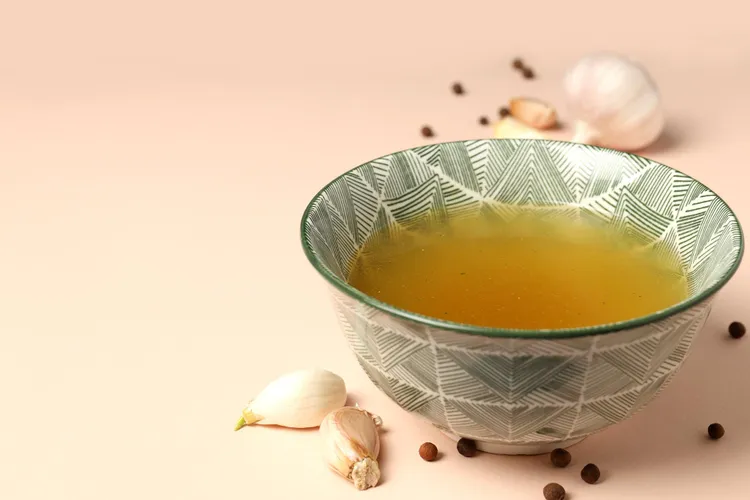
The idea of making stock from vegetable scraps is appealing but often produces disappointing results - thin, bitter, or tasting like dishwater. That's usually because people treat the scrap bag like a compost bin: everything goes in. Stock made from the right scraps is genuinely excellent and costs nothing. Stock made from the wrong scraps is not worth drinking.
The Scrap Bag Method
Keep a bag or container in your freezer labelled "stock scraps." Every time you prep vegetables, the eligible trimmings go in. When the bag is full - usually after 1-2 weeks of regular cooking - you make a batch of stock. This is the most efficient approach because it requires no extra shopping and no specific stock-making session; the scraps accumulate passively.
Freeze the scraps rather than refrigerating them. Refrigerated vegetable scraps ferment within a few days and produce off flavours in stock. Frozen scraps can wait weeks without any quality loss.
What Goes In: The Good Scraps
- Onion and leek skins and roots - One of the best stock additions. The papery outer skins of onions add colour and a gentle sweetness. Use freely.
- Carrot tops and ends - Carrot tops are slightly bitter but in small quantities add depth. Carrot peelings and ends are excellent.
- Celery leaves and ends - Highly flavourful, arguably the most valuable scrap for stock. Save every bit.
- Parsley stems - Often more flavourful than the leaves. Always save them.
- Mushroom stems and trimmings - Add umami and body. Dried mushroom stems are even better.
- Tomato cores and skins - Add sweetness and acidity. Don't overdo them (no more than a handful per batch).
- Fennel fronds and stalks - Excellent in stock, but dominant - use sparingly unless you want a fennel-forward stock.
- Corn cobs - Stripped corn cobs add extraordinary sweetness to summer stocks. Worth keeping specifically for this.
- Bay leaves, thyme sprigs, peppercorns - These aren't scraps, but they're cheap and make a significant difference. Add a few to every batch.
What to Avoid: The Problem Scraps
These will make your stock bitter, sulphurous, or muddily flavoured - often irreparably.
- Brassica scraps (broccoli, cauliflower, cabbage, Brussels sprouts, kale) - The most common mistake. Brassicas contain glucosinolates that break down into bitter, sulphurous compounds during extended cooking. Even a small amount can dominate the stock. Keep these out entirely.
- Starchy vegetables (potato skins, parsnip in large quantities) - Make stock cloudy and give it a gluey texture.
- Beetroot - Turns everything red and dominates with sweetness. Fine for a specific beetroot stock, not for general-purpose.
- Artichoke trimmings - Bitter and metallic.
- Pepper seeds and cores in large quantities - Mildly bitter. A few is fine; a cup is not.
- Mouldy or fermented scraps - The logic "the heat will kill it" doesn't hold for flavour. Mould contributes off flavours that cooking cannot remove. If it's past the point of eating, don't put it in stock.
The Basic Method
Empty your scrap bag into a large pot. Add cold water to cover by about 5cm (roughly 2 litres of water for a full freezer bag of scraps). Add a halved onion if you have one, a few peppercorns, a bay leaf. Bring to a simmer - not a rolling boil. Boiling makes stock cloudy and can extract harsh flavours. Simmer uncovered for 45-60 minutes. Strain through a fine-mesh sieve, pressing the solids to extract all the liquid. Discard the solids; they've given everything they have. Cool the stock quickly (setting the pot in a sink of cold water), then refrigerate or freeze.
Don't add salt during cooking - season finished dishes instead. An unsalted stock is infinitely more versatile.
How Long It Keeps
Refrigerated: 4-5 days. Frozen in 500ml portions: 3-6 months. Freezing in ice cube trays first, then transferring to a bag, gives you small portions for deglazing pans or adding depth to sauces - more useful than a single large block.
Is It Worth Roasting the Vegetables First?
For a deeper, darker stock - yes. Toss your scraps in a little oil and roast at 200°C for 20-30 minutes before adding water. Roasted onion skins, caramelised carrot ends, and browned mushroom stems produce a stock with significantly more body and a richer colour. For the full technique on building flavour into different types of stock, the stock guide on CookThisMuch covers the details. The broader zero-waste system this fits into is in the Zero-Waste Cooking Systems guide.
Latest