Frozen Stir-Fry Vegetables: How to Make Them Taste Fresh
Frozen stir-fry vegetables are convenient, cheap, and nutritionally sound - but most people cook them wrong. The difference between mushy and genuinely good comes down to heat, timing, and keeping the pan dry.
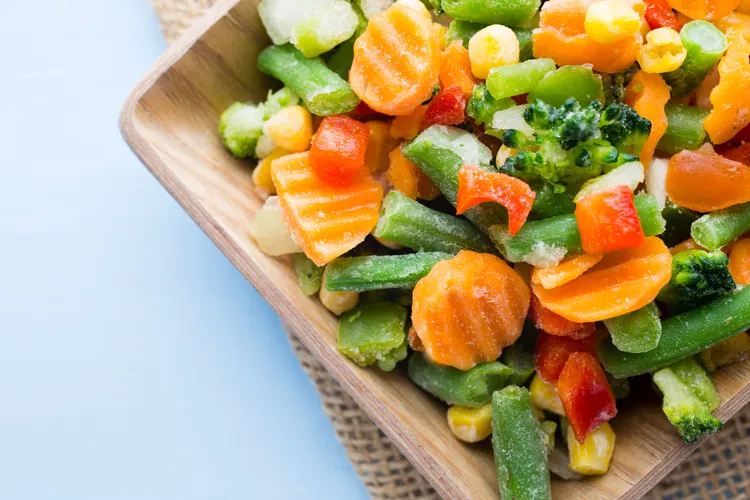
Frozen vegetables get a bad reputation because they're usually cooked badly. Straight from the freezer into a medium-hot pan with a lid on means one thing: they steam in their own moisture, go grey-green and soft, and taste like nothing. The fix is almost the opposite of what most people do.
The Core Problem: Steam vs. Sear
Frozen vegetables release a lot of water as they thaw. If that water sits in the pan, the veg steams - and steamed frozen broccoli isn't anyone's idea of a good meal. The goal is to vaporise that water as fast as possible so the vegetables can actually take on colour and char. That requires high heat, a dry pan, and space.
The Method That Works
- Get the pan screaming hot before anything goes in. A wok or cast iron pan is ideal. Carbon steel works well too. Non-stick pans are fine but don't get as hot - acceptable, not optimal.
- No oil yet. Add the frozen vegetables straight to the dry hot pan in a single layer. Don't overcrowd - if you're cooking for two, work in batches rather than piling everything in at once.
- Leave them alone for 90 seconds. Resist the urge to stir. Let the moisture flash off and let the vegetables develop some colour on the contact side.
- Toss, then add oil. Now add a high-smoke-point oil (vegetable, sunflower, or sesame for finishing). Toss to coat.
- Season at the end, not the beginning. Salt draws out moisture. Add soy sauce, salt, or any liquid seasoning in the last 60 seconds of cooking.
Timing by Vegetable
Different vegetables in a stir-fry mix thaw and cook at different rates. The commercial bags tend to cut everything to roughly the same size to compensate, but here's what to know:
- Broccoli florets: 3-4 minutes total. They're dense and take longer to heat through. A slight char on the edges is a good sign.
- Snap peas and edamame: 2 minutes. These are thinner and sweeter - overcooking makes them starchy.
- Peppers: 2-3 minutes. They release more water than most. Let the water evaporate fully before adding oil.
- Baby corn and water chestnuts: 2 minutes. These are mostly there for texture - they won't improve much from heat, just need to warm through.
- Spinach and leafy greens: 60 seconds in residual heat. Add last.
Sauces That Work Well
Keep these simple - frozen veg stir-fries don't need elaborate sauces. The best approach is to mix the sauce before you start cooking so it's ready to go in fast at the end:
- Classic soy-garlic: 2 tbsp soy sauce, 1 tsp sesame oil, 1 clove garlic (minced or grated), 1 tsp honey or sugar, a pinch of chilli flakes. Mix and pour in for the last 60 seconds.
- Oyster sauce finish: 1 tbsp oyster sauce thinned with 1 tbsp water. Add in the last 30 seconds and toss to coat.
- Peanut sauce: 1 tbsp peanut butter, 1 tbsp soy sauce, lime juice, hot water to loosen. Toss through after removing from heat.
Adding Protein
A plain vegetable stir-fry hits roughly 80-120 kcal and 4-6g protein - useful as a side, not enough as a meal. To build it into a proper dish:
- A fried egg on top: +75 kcal, +6g protein. Takes 3 minutes.
- Edamame cooked in alongside: +120 kcal per 100g, +11g protein. Just add them frozen in the first batch.
- Tofu (firm, pressed, cubed and pan-fried separately until golden): +80 kcal per 100g, +8g protein.
- Leftover rotisserie chicken shredded and stirred in at the end: +165 kcal per 100g, +26g protein.
Serving It Over Something
A microwave rice pouch (90 seconds) or instant noodles (3 minutes) are the obvious bases. For a higher-protein option, serve over an egg and cottage cheese omelet as a kind of savoury crepe base - sounds unusual but works well with Asian seasonings.
For more on building full meals from frozen and pantry ingredients, see the complete Instant Food, Elevated guide.
Meal Prep Notes
Cooked frozen stir-fry vegetables keep for 2 days in the fridge but lose texture - they're better eaten fresh. Buy the bags and cook to order rather than batch-cooking these. What you can batch is the sauce: mix a large jar of soy-garlic sauce and keep it in the fridge for up to 2 weeks.
Latest