What Pairs With Garlic (Flavor and Ingredient Pairings)
The classic garlic pairings found across world cuisines, from onion and olive oil to ginger, chili, and cumin, and why garlic pairs so broadly in the first place.
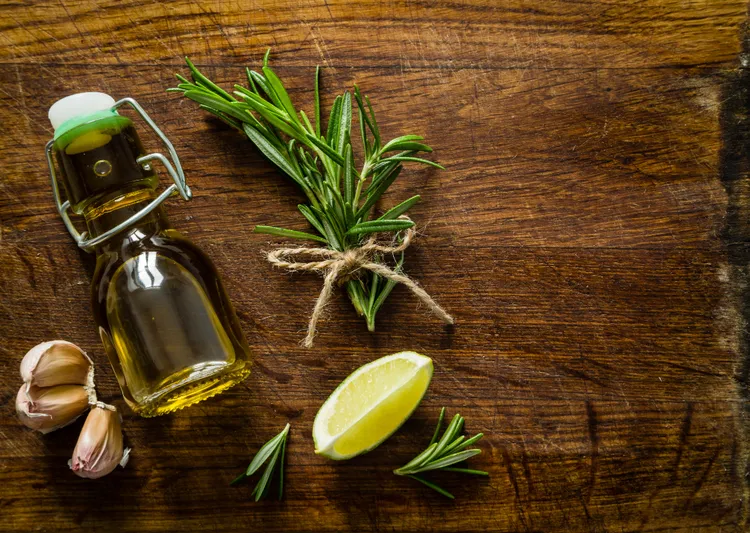
Garlic appears in a wider range of the world's cuisines than almost any other single ingredient, which says something meaningful about how broadly it pairs rather than being tied to one specific culinary tradition.
The Foundational Pairing: Garlic and Onion
Garlic and onion together form the aromatic base of an enormous share of the world's savory cooking, from a French mirepoix's cousin ingredients to an Indian curry base to countless soup and sauce starting points. The two share overlapping sulfur-compound chemistry but differ enough in sweetness and intensity that combining them produces more complexity than either alone, part of why so many culinary traditions independently arrived at this same starting pair.
Garlic and Olive Oil
Beyond flavor compatibility, olive oil is a practical carrier for garlic's fat-soluble flavor compounds, which is part of the reasoning behind garlic confit and infused oils generally. Mediterranean cooking in particular leans on this pairing heavily, garlic and olive oil forming the backbone of everything from a simple aglio e olio pasta to a base for roasted vegetables.
Garlic and Butter
Garlic butter, whether melted fresh for basting a steak or spread cold on bread before toasting, is one of the most broadly familiar garlic pairings in Western cooking, the combination showing up in our Lemon Garlic Steak and Garlic Butter Frizzled Cabbage alike. Butter's dairy fat carries garlic's flavor similarly to oil but with a richer, more rounded character, and butter's tendency to brown slightly during cooking adds a nutty depth that plain oil doesn't contribute.
Garlic and Citrus
A squeeze of lemon or lime cuts through garlic's richness and pungency, a pairing common across Mediterranean, Latin American, and Southeast Asian cooking alike. Our Lemon Garlic Steak recipe uses this pairing directly, deglazing a garlic-butter pan sauce with lemon juice specifically to brighten what would otherwise be a heavier, richer sauce.
Garlic and Fresh Herbs
Parsley, rosemary, thyme, and oregano all pair naturally with garlic, each bringing a different character: parsley's grassy brightness offsets garlic's richness in a finishing role, rosemary's piney intensity stands up to garlic in slow-roasted dishes, and oregano's warm, slightly bitter edge complements garlic well in Mediterranean-style breads and sauces, as in our Garlic-Oregano Grilled Pita Bread.
Garlic and Ginger
Common across a huge swath of Asian cooking, garlic and ginger together bring complementary warmth, garlic's savory pungency alongside ginger's brighter, slightly sweet heat. The pairing shows up as a nearly default aromatic base across Chinese, Southeast Asian, and South Asian cooking traditions, similar in cultural ubiquity to how garlic and onion function in Western cooking.
Garlic and Chili
Heat and pungency reinforce each other rather than competing, which is why garlic and chili appear together so consistently across cuisines that favor bold, assertive flavor, from Italian arrabbiata sauce to countless Southeast Asian and Latin American preparations. Our Thai Style Garlic Chicken layers this pairing alongside sweet and sour notes for a more complex balance than heat and pungency alone.
Garlic and Cheese
Parmesan's savory, glutamate-rich intensity pairs naturally with garlic's own pungency, both reinforcing a sense of savory depth rather than one masking the other, as seen in our Garlic and Cheese Baguette Bread. Cream-based cheeses and dairy generally, meanwhile, work as a mellowing counterpoint, softening garlic's sharper edges the way we see in Roasted Garlic Mashed Potatoes with Chives.
Garlic and Cumin
Warm, earthy spices like cumin round out garlic's sharper notes particularly well in bean, legume, and vegetable dishes, a pairing found across Middle Eastern, North African, and Latin American cooking. Our Green Beans with Garlic and Cumin is a direct, simple example of how well this combination works even with minimal other ingredients.
What to Use Sparingly Alongside Garlic
Very delicate, subtly flavored ingredients (a mild white fish, for instance) can be overwhelmed by generous raw garlic specifically, since garlic's sharpness dominates readily against a quiet backdrop. This isn't a hard rule, garlic and delicate seafood pair beautifully in many classic dishes, but it's worth using a lighter hand or a milder cooking method (roasted rather than raw) when garlic is meant to support rather than compete with a genuinely subtle main ingredient.
Garlic and Tomato
Beyond garlic's pairing with onion, its combination with tomato deserves specific mention given how frequently the two appear together across Italian, Mediterranean, and many other culinary traditions. Garlic's pungency and tomato's natural umami and acidity reinforce each other in a way that's covered from the tomato side in our Tomatoes: Seed to Plate framework, worth cross-referencing for anyone building dishes that lean on both ingredients together.
Garlic and Legumes
Beans, lentils, and chickpeas all benefit from garlic's savory depth, which helps round out legumes' sometimes mild, starchy flavor profile. This pairing appears across a huge range of global cuisines, from Middle Eastern hummus to Mexican refried beans to Italian bean soups, generally with garlic added either early (for a mellow, background presence through a long simmer) or as a finishing raw or lightly cooked note for brightness.
Garlic and Seafood
Shellfish in particular pairs exceptionally well with garlic, both carrying natural glutamate that reinforces rather than competes, similar to the umami-reinforcement principle covered for tomato pairings elsewhere in this framework. Garlic butter with shrimp or a garlic-forward mussel preparation are both classic examples of this pairing done well, generally favoring a gentler cooking method (sautéed or infused into butter) to avoid overwhelming more delicate seafood.
Garlic and Salt: A Foundational Relationship
Salt doesn't compete with garlic's flavor the way some ingredients might; instead it amplifies garlic's savory character directly, which is part of why so many garlic-forward preparations, garlic bread, garlic butter, roasted garlic with salt, lean on a generous salt hand specifically to bring out garlic's full flavor potential rather than treating salt as a separate, background seasoning decision.
A Quick Reference Table
- Foundational: Onion, olive oil, butter.
- Bright and cutting: Lemon, lime, vinegar.
- Aromatic layering: Ginger, chili, fresh herbs.
- Savory reinforcement: Parmesan, seafood, legumes.
- Worth trying: Honey, stone fruit, fig.
Trusting the Pattern Over a Fixed List
As with the other pairing guides in this series, the goal isn't memorizing every combination listed here but recognizing the underlying logic, fat to carry flavor, acid to brighten, a second savory element to reinforce depth, and applying it to whatever's actually in the kitchen on a given night.
Pairings Change With Preparation Method
Which pairing works best sometimes depends as much on how the garlic itself is prepared as on the other ingredient. Raw, sharp garlic pairs well with acid and fat to balance its intensity; roasted, sweet garlic pairs well with ingredients that can stand up to or complement that sweetness, like a rich cheese or a warm spice, without needing acid to cut through anything, since roasting has already softened garlic's sharper edges.
Building Your Own Pairing Instincts
The most practical way to use this guide isn't memorizing every pairing listed but checking whatever's already in the kitchen, a wedge of cheese, a bunch of herbs, a jar of honey, against the underlying categories covered above. Garlic's broad compatibility means this kind of improvisation succeeds more often than it fails.
Pairings as a Starting Point for Genuine Experimentation
The pairings listed throughout this guide reflect well-established, widely tested combinations, but garlic's genuine versatility means plenty of good pairings exist outside this list entirely. Treating this guide as a confident starting point rather than an exhaustive boundary encourages the kind of kitchen experimentation that, over time, builds a cook's own personal sense of what works.
Considering Cultural Context When Pairing
Many of the pairings covered in this guide carry specific cultural and culinary traditions behind them, worth acknowledging rather than treating purely as interchangeable flavor combinations. Understanding a pairing's traditional context, garlic and ginger in the framework of the cuisines that developed that combination, for instance, adds depth beyond simply knowing that two ingredients happen to taste good together.
Garlic's broad compatibility across cuisines and ingredients is part of what makes it such a foundational ingredient in home cooking worldwide. The pairings in this guide are a starting reference, not a limit, and genuine experimentation beyond what's listed here regularly turns up combinations worth repeating.
A kitchen stocked with a few of these staple pairings on hand, olive oil, citrus, a favorite fresh herb, makes reaching for a well-balanced garlic dish an easy, low-effort default rather than something requiring special planning.
Garlic's Universality
Few ingredients earn a place in as many of the world's kitchens as garlic does, and that universality isn't an accident of history so much as a direct result of how well it complements fat, acid, and other savory ingredients across wildly different culinary traditions. Understanding that underlying compatibility is what makes garlic pairing feel less like following rules and more like recognizing a pattern that shows up again and again.
Recognizing that pattern is, in many ways, the real skill this guide hopes to pass along.
From there, the specific combinations matter less than the confidence to try something new.
Garlic, more than most ingredients, rewards that kind of confident, curious approach in the kitchen.
Start simple, taste as you go, and adjust from there.
The more often garlic shows up in everyday cooking, the more naturally these pairings start to feel like second nature rather than something to look up each time.
Over time, it just becomes instinct.
A pattern worth trusting.
Keep it simple and let taste be the final judge every time.
Frequently Asked Questions
Why does garlic pair well with almost every cuisine? Garlic's core flavor compounds are savory and pungent in a way that reinforces umami broadly, without being sweet, sour, or otherwise directionally biased toward one flavor profile, making it compatible with an unusually wide range of other ingredients and seasoning directions.
Is there a cuisine that notably avoids garlic? Traditional Jain cooking in India avoids garlic and onion entirely for religious and philosophical reasons, one of relatively few culinary traditions with a deliberate, systematic exclusion of an ingredient this broadly used elsewhere.
Does garlic pair differently with red meat versus poultry versus fish? Garlic works with all three, but intensity often scales with the richness of the protein: bold garlic preparations (a full clove or more per portion) suit richer red meats well, while poultry and especially fish often benefit from a lighter hand or a milder cooking method like roasting.
What's an unexpected pairing worth trying? Garlic and honey, cooked together slowly until the garlic softens and the honey takes on a savory depth, is a less common but genuinely worthwhile combination, used as a glaze or a spread that balances garlic's pungency against real sweetness rather than just cutting it with acid.
Does garlic pair well with sweet ingredients beyond honey? Yes; garlic appears in some sweet-savory glazes and marinades, often alongside brown sugar or maple syrup, where the sweetness balances garlic's pungency in a way similar to how sweetness balances a chili's heat, a pairing seen directly in our Thai Style Garlic Chicken recipe.
Is there a wrong way to pair garlic with wine in cooking? Garlic generally pairs well with most wines used in cooking, though very delicate, subtle wine reductions can be overwhelmed by a heavy garlic hand in the same way delicate seafood can; moderating garlic quantity when a wine's own character is meant to be the star avoids this conflict.
Why does garlic show up in so many dip and spread recipes? Garlic's savory intensity works particularly well in a spread or dip context because it's often diluted across a base (yogurt, mayonnaise, cream cheese) that tempers its sharpness while still contributing real depth, a favorable ratio that direct, undiluted raw garlic doesn't always achieve as successfully.
Are there fruit pairings for garlic worth exploring? Beyond honey, garlic pairs interestingly with stone fruit in some savory glazes and chutneys, and with fig in certain Mediterranean-inspired preparations, both leaning on the same sweet-savory balancing principle that makes garlic and honey work together.
Latest









