Gluten-Free Cooking That Actually Tastes Good
Gluten-free cooking trips up most beginners not in the obvious places - bread, pasta - but in the hidden ones: soy sauce, stock, malt vinegar, pre-marinated meat. Once you know where gluten hides and have four or five reliable swaps, the diet becomes far less restrictive than it first appears.
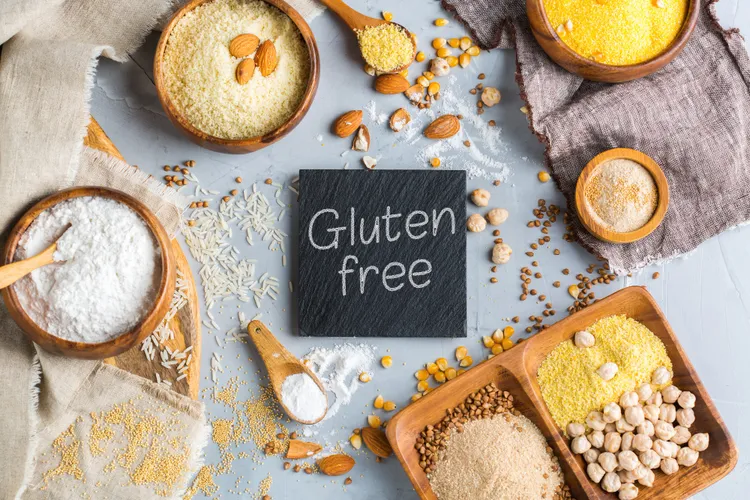
Most people adjusting to a gluten-free diet spend the first few weeks eating rice cakes and feeling deprived. That's a pantry problem, not a cooking problem. Build the right base and the meals follow naturally.
Where Gluten Actually Hides
Wheat, barley, and rye are the obvious sources. But gluten also lurks in places most cooks don't check:
- Soy sauce - traditional soy sauce is brewed with wheat. Swap for tamari (check the label; some tamari contains wheat too) or coconut aminos.
- Stock cubes and liquid stock - many contain wheat flour as a thickener or flavour carrier. Read the label on every brand you use.
- Malt vinegar - made from barley, so it's not gluten-free. Use wine vinegar, cider vinegar, or rice vinegar instead.
- Oats - oats themselves are gluten-free, but most commercial oats are processed in facilities that also handle wheat. Buy oats labelled as certified gluten-free.
- Pre-marinated meat and fish - marinades often include soy sauce, malt, or wheat-based thickeners. Marinate your own.
- Baking powder - some brands use wheat starch as an anti-caking agent. Check, or buy brands specifically labelled gluten-free.
The Gluten-Free Pantry Worth Building
You don't need to stock every alternative flour at once. Start with these:
- Good gluten-free all-purpose blend - covers most baking without requiring you to understand flour ratios. Worth spending on a reputable brand.
- Rice flour - neutral flavour, good for coating, useful in sauces and gravies as a thickener.
- Tamari - replaces soy sauce in 1:1 ratio in virtually everything.
- Cornflour (cornstarch) - the best gluten-free thickener for sauces, gravies, and stir-fries.
- Certified gluten-free oats - porridge, flapjacks, crumble toppings. Oats are nutritionally useful and the certified GF versions behave identically.
- Gluten-free pasta - rice-based or chickpea-based, depending on what you're making. See our article on gluten-free pasta dishes that hold together for which works with which sauce.
Savoury Cooking: Where GF Is Easiest
Most savoury cooking is already gluten-free or one swap away. Roasted meat and vegetables: naturally GF. Stir-fries with tamari: done. Soups thickened with cornflour instead of plain flour: identical result. Balsamic chicken and mushrooms - naturally gluten-free, no adaptations needed. Lemon-butter salmon with asparagus - same. Build your repertoire around naturally GF meals first and reserve adaptations for the meals you genuinely miss.
Coating and Frying Without Wheat
Breadcrumbs, flour dredges, batter - these all need rethinking. The main options:
- Rice flour - produces a thin, crispy coating very similar to plain flour.
- Cornflour - very crispy, used in Korean and Japanese-style fried chicken.
- Ground almonds - thicker, nutty crust, good for chicken schnitzel or fish if nuts aren't an issue.
- Crushed GF crackers or cornflakes - good substitute for breadcrumbs in everything from coatings to gratins.
For baked coatings - like baked zucchini fritters - replacing wheat flour with rice flour or a GF all-purpose blend is a direct 1:1 swap and produces very similar results.
GF Baking: The Harder Part
Gluten provides structure in baking. Without it, cakes collapse, cookies spread, bread doesn't rise. The solutions:
- Xanthan gum - mimics gluten's binding and elasticity. Typical ratios: 1/4 tsp per cup for cookies, 1/2 tsp for cakes, 1 tsp for bread.
- Extra egg - adds structure and moisture. GF recipes often use one more egg than their wheat equivalents.
- Letting batter rest - GF flours absorb moisture more slowly. Resting the batter for 10-15 minutes before baking produces a noticeably better texture.
- Slightly lower oven temperature - GF baked goods brown faster on the outside but take longer to cook through. Drop the oven by 10-15C and give them a few extra minutes.
For a reliable starting point, the gluten-free buttercake uses a straightforward method that transfers well to other baked goods. The CookThisMuch blog also has a deep dive on gluten-free baking basics and a full guide to converting any recipe to gluten-free.
Batch Cooking GF Meals
GF batch cooking follows the same logic as any batch cooking - cook once, eat multiple times - with one extra consideration: cross-contamination. If others in the household eat gluten, use separate chopping boards, colanders, and wooden spoons for GF cooking. A single crumb in a colander is enough to cause a reaction in someone with coeliac disease.
Good GF batch candidates: roasted chicken thighs, rice, lentil soup, roasted root vegetables, quinoa salads. All refrigerate well, all reheat cleanly. For a full batch-cooking framework, see the batch cooking guide.
Approximate Nutrition
Gluten-free versions of most dishes are nutritionally very similar to the originals, with a few exceptions. GF bread and pasta tend to be higher in refined starches and lower in fibre than wholemeal wheat equivalents. For the best nutritional profile, base GF meals around naturally GF whole foods - rice, quinoa, potatoes, oats (certified GF), legumes - rather than processed GF substitutes.
For the full picture on cooking for multiple diet needs in one household, see our complete special diets guide.
If you're planning a gluten-free week, this meal prep guide can help you structure your batch cook so you always have safe, ready-to-eat meals on hand.
Latest