Growing Basil Indoors Year-Round to Extend the Harvest
Light, pot size, and succession planting for keeping basil productive indoors well past the outdoor growing season.
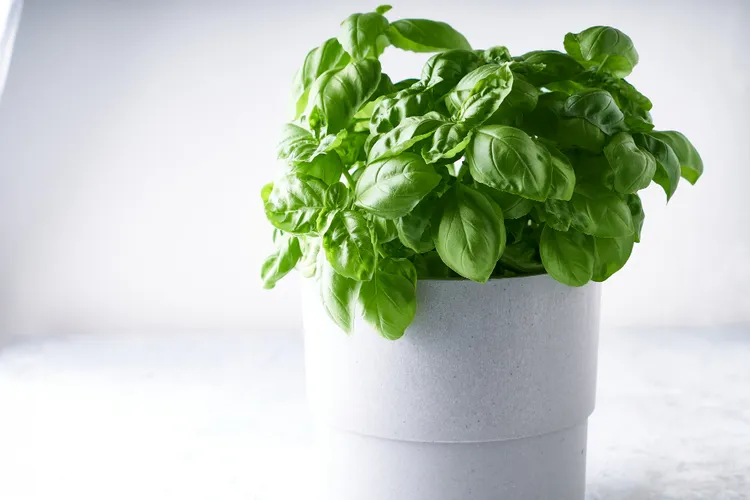
A single basil plant brought indoors before the first frost rarely thrives long-term without some adjustment. Most indoor basil failures come down to two things: not enough light, and a pot that's too small for sustained growth. Both are fixable.
Light Requirements
Basil needs roughly 6 to 8 hours of strong light a day to keep producing well. A south-facing windowsill can provide this in summer but usually falls short in fall and winter, when day length shortens and light intensity drops even in a bright window. Plants that look thin, pale, or increasingly leggy indoors are almost always light-starved rather than suffering from anything else.
A basic grow light solves this reliably. A small LED grow light positioned 6 to 12 inches above the plant, run for 10 to 12 hours a day on a timer, will outproduce a sunny windowsill through the darker months. This is the single highest-impact change for anyone serious about growing basil indoors past the outdoor season.
Pot Size and Soil
A basil plant moved indoors in a small nursery pot will stall out quickly. For sustained indoor growth, use a pot at least 6 to 8 inches in diameter with drainage holes, larger if the plant is already well established. Basil's root system needs room to support the leaf production most gardeners expect from an outdoor-grown plant.
Use a well-draining potting mix rather than garden soil, which compacts in containers and holds too much water indoors, where evaporation is slower than outdoors. Water when the top inch of soil feels dry, and avoid letting the pot sit in standing water in a saucer.
Temperature and Humidity
Basil prefers temperatures between 65 and 75°F (18 to 24°C) and dislikes cold drafts, so keep pots away from drafty windows or exterior doors in winter. Indoor heating systems often dry the air more than basil likes; a small tray of water near the pot (without the pot sitting directly in it) or occasional misting can help offset especially dry indoor air.
Succession Planting
Rather than relying on a single plant brought in from the garden, which is often already past its most productive phase by the time it's moved indoors, start new plants from seed or cuttings specifically for indoor growing. A cutting taken from a healthy outdoor plant in late summer, rooted in water for 1 to 2 weeks until roots appear, then potted up, often outperforms an older transplanted plant through the winter.
Starting a new round of seeds or cuttings every 4 to 6 weeks keeps a steady supply of young, vigorous plants coming rather than relying on one aging plant to carry the whole indoor season. This mirrors the same logic behind regular outdoor harvesting, described in How to Harvest Basil So It Keeps Producing, just applied to plant age rather than individual stems.
Managing Indoor Harvest Volume
Indoor basil generally produces less per plant than a mature outdoor plant in peak summer, simply due to lower light levels even with a grow light. This is usually a feature, not a bug, for winter growing: a smaller, steadier supply that matches typical winter cooking needs rather than another overwhelming glut. If a grow light setup and multiple pots do produce more than expected, the same preservation methods used for an outdoor glut apply just as well indoors; see the Basil Glut Guide for the full range of options.
Transitioning a Plant From Outdoors to Indoors
Moving a plant directly from full outdoor sun to an indoor windowsill is a shock even before accounting for the general drop in light intensity indoors. Bring plants in gradually if possible, a few hours a day for the first week, increasing indoor time as the transplant date approaches, rather than moving a plant indoors permanently in a single day. Inspect the plant closely for pests before bringing it inside; aphids or spider mites that go unnoticed outdoors can multiply quickly in the more sheltered indoor environment and spread to other houseplants nearby.
Fertilizing Indoor Basil
Indoor basil, especially in a smaller container with limited soil volume, benefits from more consistent light feeding than an outdoor plant in rich garden soil. A balanced liquid fertilizer at half strength every 2 to 3 weeks during active growth supports the sustained leaf production most people want from an indoor plant. Avoid heavy feeding in the depths of winter when growth naturally slows even under a grow light, since excess unused fertilizer can build up in the soil.
Common Mistakes
- Relying on a windowsill alone through winter. Even a bright south-facing window rarely provides enough total light intensity through the shortest days of the year. A grow light isn't optional for serious winter production, it's the main variable that determines success.
- Overwatering in a low-light environment. Indoor basil under lower light uses water more slowly than the same plant would outdoors in full sun. Watering on the same schedule used outdoors is a common cause of root rot indoors; check soil moisture before each watering rather than following a fixed schedule.
- Keeping too few plants going at once. A single indoor basil plant, even a well-cared-for one, rarely matches the output of a full summer garden. Running two or three pots through the winter, especially with succession planting, gives a more realistic ongoing supply.
Frequently Asked Questions
Can I grow basil indoors year-round without a grow light if I live somewhere sunny?
It's possible in consistently bright, low-latitude climates with strong winter sun, but most temperate climates see a real drop in usable daylight hours in winter that a grow light compensates for reliably.
How long does it take to get a usable harvest from an indoor cutting?
A rooted cutting typically needs another 3 to 4 weeks of growth after potting before it's substantial enough for its first light harvest, and longer before it can handle the full hard-cut harvest cycle described in How to Harvest Basil So It Keeps Producing.
Do indoor basil plants still need to be checked for flowering?
Yes, indoor basil can still bolt, particularly if light levels are inconsistent or the plant is stressed by irregular watering. The same pinching approach described in Basil Pruning and Pinching to Stop Bolting applies indoors as much as outdoors.
Tips for Success
Rotate pots a quarter turn every few days if relying on a window rather than a grow light, to keep growth even rather than leaning hard toward the light source. Watch for pests more closely indoors, aphids and spider mites are more common on stressed indoor plants than on vigorous outdoor ones, and catching an infestation early is much easier than treating an established one. Since indoor basil produces on a slower, steadier schedule than an outdoor plant in summer, working expected harvests into a winter meal plan helps you get consistent use out of a smaller, more modest supply.
Latest