Harissa: The North African Chilli Paste That Changes Everything
Tunisia's national condiment - the chilli paste with caraway and coriander that no other chilli sauce can replace, and 15 ways to use it
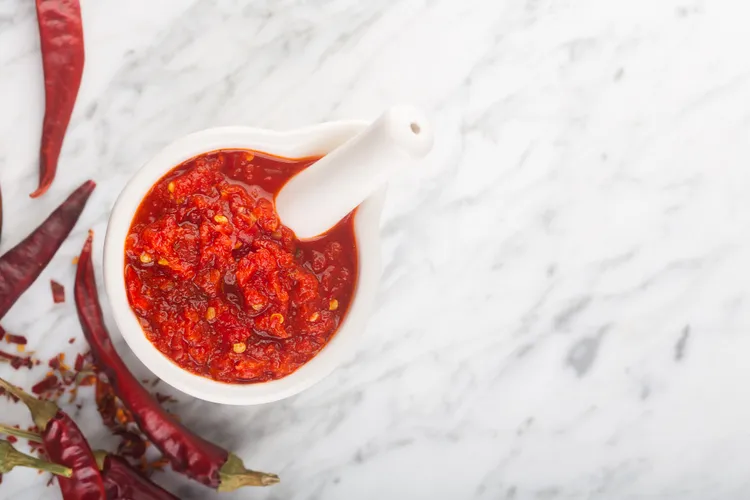
Harissa is Tunisia's national condiment, and one of the most important chilli preparations in the world. Made from rehydrated dried chillies, roasted red peppers, garlic, and a specific combination of spices - caraway and coriander seeds are what distinguish harissa from every other chilli paste - it is simultaneously a condiment, a marinade, a stir-through sauce, and the flavour backbone of dozens of North African dishes.
A jar of good harissa in the refrigerator transforms weeknight cooking in a specific way: it gives instant access to a complex, deeply spiced, smoke-touched heat that would otherwise require 15 minutes of spice-blooming from scratch. Swirled into yogurt, stirred into a tomato sauce, spread under the skin of a chicken, or drizzled onto roasted vegetables, it does more work per tablespoon than almost any other condiment.
This post covers what harissa actually is, how it differs from other chilli preparations, how to make it from scratch, the rose harissa variation, and 15 specific applications across cuisines.
What Harissa Is (and What Makes It Different)
Harissa is not simply a chilli paste. Many chilli pastes exist - gochujang (Korean, fermented, slightly sweet), sambal oelek (Southeast Asian, pure chilli heat), chipotle in adobo (Mexican, smoked dried jalapeño). Harissa has a completely different character, defined by two spices that appear in no other major chilli condiment in the same way:
Caraway seeds: The dominant spice in Tunisian harissa. Caraway has an anise-adjacent, slightly earthy, faintly medicinal note that is the most distinctive element of the harissa flavour profile. It is the ingredient that makes harissa taste like harissa rather than any other chilli preparation.
Coriander seeds: Ground roasted coriander seeds add a citrusy, warm depth that complements and softens the caraway.
Together with garlic, olive oil, and dried chillies, these two spices produce a paste that is simultaneously hot, aromatic, earthy, and slightly smoky - a combination that works across an extraordinary range of applications from breakfast (eggs) to dinner (lamb, fish, chickpeas, couscous), condiment to marinade.
The Regional Variations
Harissa is made across North Africa and the Levant, with significant regional variation:
Tunisian harissa: The original and hottest. Made with dried red chillies (traditionally baklouti, but any dried red chilli works), garlic, caraway, coriander, and olive oil. Can be fiercely hot. The caraway presence is strongest in Tunisian versions.
Libyan harissa: Very similar to Tunisian, often hotter.
Moroccan harissa: Generally milder, often includes tomato, and the spicing tends toward cumin and paprika rather than caraway-dominant.
Rose harissa: The most widely available commercial version in UK supermarkets. Made with roasted red peppers, rose petals, and rose water alongside the standard ingredients. Sweeter, more aromatic, less purely hot. Originated in the Levant but now widely used across North Africa and adopted by British and European food culture. The Ottolenghi-influenced style of cooking is largely responsible for rose harissa's mainstream presence in the UK.
Buying Harissa: What to Look For
For everyday cooking: The branded Belazu Rose Harissa (in a red tin) is the benchmark commercial product in the UK - aromatic, moderately hot, complex. Widely available in supermarkets. The Belazu rose harissa in the distinctive tin has become the de facto standard for rose harissa in British professional kitchens.
For a hotter, more traditional version: Look for Tunisian harissa in tubes (the traditional format) or small tins from Middle Eastern and North African grocery stores. These tend to be significantly hotter and more caraway-forward than rose harissa.
What to avoid: "Harissa seasoning" blends (dry spice mixes, not the actual paste), and very cheap generic versions that typically lack the caraway and coriander that define the condiment.
Storage: Harissa keeps for several weeks in the refrigerator once opened, provided it is covered in a thin layer of olive oil (which prevents oxidation of the surface). Drizzle a teaspoon of olive oil over the surface after each use.
How to Make Harissa From Scratch
Making harissa from scratch produces a paste with more complexity and fresher flavour than any jarred version - and it takes approximately 25 minutes of active work.
Makes approximately 300ml | Keeps 3 weeks refrigerated
Ingredients
- 100g dried red chillies - a mixture of varieties produces more complexity. Use dried New Mexico chillies (mild, earthy) as the base, with 2-3 dried bird's eye or arbol chillies for heat. The quantity of hot chillies determines the final heat level - adjust to preference.
- 2 large red peppers - roasted (see below) or from a jar of roasted peppers
- 6 large garlic cloves
- 1.5 tsp caraway seeds - whole, to be toasted and ground
- 1.5 tsp coriander seeds - whole, to be toasted and ground
- 1 tsp cumin seeds - whole, to be toasted and ground
- 1 tsp smoked paprika
- 3 tbsp extra virgin olive oil, plus more to cover
- 1 tbsp fresh lemon juice
- 1 tsp fine salt
Method
Step 1 - Rehydrate the chillies: Remove the stems from the dried chillies. Shake out as many seeds as possible (the seeds contribute harsh heat rather than flavour - removing most improves the final result). Place in a heatproof bowl. Cover with boiling water. Weight down with a small plate. Leave for 20-25 minutes until completely softened.
Step 2 - Roast the peppers: Place the red peppers directly over a gas flame, under a very hot grill, or in a 220°C oven. Char the skin on all sides until completely blackened (10–15 minutes). Place in a bowl and cover with cling film for 10 minutes - the steam loosens the skin. Peel, deseed, and roughly chop.
Step 3 - Toast and grind the spices: In a dry frying pan over medium heat, toast the caraway, coriander, and cumin seeds together until fragrant and just beginning to colour - approximately 2 minutes. Stir constantly and don't walk away; they burn quickly. Transfer to a spice grinder or pestle and mortar. Grind to a fine powder.
Step 4 - Drain and blend: Drain the rehydrated chillies, squeezing out excess water.
In a food processor or blender, combine: the drained chillies, roasted peppers, garlic cloves, ground spices, smoked paprika, olive oil, lemon juice, and salt. Blend to a smooth paste. Taste - adjust salt, lemon, and chilli heat as needed.
Step 5 - Store: Transfer to a sterilised jar. Smooth the surface. Pour a thin layer of olive oil over the top. Refrigerate.
Rose Harissa Variation
For a rose harissa in the Belazu style:
Reduce the dried chillies to 60g (milder result). Add to the food processor: 2 tbsp of rose water, 1 tsp of dried rose petals (or 1 tbsp of fresh rose petal, petals only), and ½ tsp of ground cinnamon alongside the other ingredients. The rose water and petals add a floral, slightly sweet aromatic that softens the heat and produces the distinctively perfumed quality of rose harissa.
15 Ways to Use Harissa
In Eggs and Breakfast
1. Harissa shakshuka: Stir 1-2 tbsp of harissa into the tomato sauce of a shakshuka before adding the eggs. The harissa deepens the spice layer dramatically, providing the Tunisian character that the dish's origin calls for. See One-Pan Shakshuka in the One-Pan collection.
2. Harissa scrambled eggs: Add ½ tsp of harissa to 2 beaten eggs before scrambling. The heat is subtle; the depth of flavour is not. Serve on whole grain toast.
As a Marinade
3. Harissa lamb: Combine 3 tbsp of harissa with 2 tbsp of olive oil and 1 tbsp of lemon juice. Rub over lamb chops, shoulder, or leg pieces. Marinate for at least 2 hours, up to 24. The caraway in the harissa has a specific affinity for lamb - the combination is one of the great pairings in North African cooking. See Easter Roast Lamb in the Seasonal collection for the lamb technique.
4. Harissa chicken: The same marinade applied to bone-in chicken thighs. Marinate overnight. Roast at 200°C for 35-40 minutes or grill over indirect heat. The harissa caramelises on the skin and produces a deeply coloured, aromatic crust.
5. Harissa salmon: Spread 1 tbsp of harissa over a salmon fillet. Leave 15 minutes. Bake at 200°C for 12 minutes. The rose harissa version is particularly good here - the sweetness of the rose balances the salmon's richness.
In Sauces and Dressings
6. Harissa yogurt: Stir 1-2 tbsp of harissa into 200g of full-fat Greek yogurt with the juice of ½ lemon and a pinch of salt. The heat is completely tamed by the yogurt; the flavour complexity remains. Used as a dip, a sauce alongside grilled meat or fish, a dressing for grain bowls, or alongside the whole roasted cauliflower from Vegetarian BBQ: 10 Recipes Worth Grilling.
7. Harissa butter: Beat 2 tbsp of softened harissa into 100g of softened unsalted butter with a pinch of salt. Roll into a cylinder in cling film. Refrigerate. Slice a disc over grilled fish, steaks, or corn on the cob while still hot. The butter melts and carries the harissa's spice across the surface of the food.
8. Harissa vinaigrette: Whisk together: 1 tsp harissa + 1 tbsp red wine vinegar + 3 tbsp extra virgin olive oil + ½ tsp honey + salt. A punchy dressing for robust grain salads, roasted vegetable salads, or as a dipping sauce for flatbread.
With Vegetables
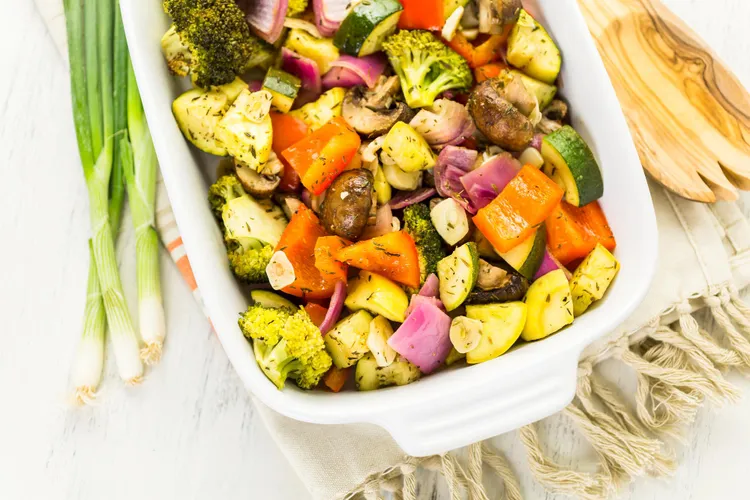
9. Harissa roasted cauliflower (chermoula variation): Combine 2 tbsp of harissa with 3 tbsp of olive oil, 1 tsp of cumin, and 1 tsp of coriander. Massage over a whole cauliflower head or large florets. Roast at 200°C for 25–30 minutes until caramelised. The cauliflower's density needs the bold flavour that harissa provides - milder spice pastes get lost. See Vegetarian BBQ: 10 Recipes Worth Grilling for the whole cauliflower BBQ version.
10. Harissa roasted chickpeas: Drain and dry 1 tin of chickpeas. Toss with 1 tbsp of harissa and 1 tbsp of olive oil. Roast at 220°C for 25-30 minutes until crispy. Serve as a snack, scatter over salads or soups, or add to grain bowls as a high-protein, spiced element.
11. Harissa hummus: Blend harissa through finished hummus (1-2 tbsp per batch) or swirl it through the top of a serving bowl for visual contrast. The tahini in the hummus mellows the harissa heat to something completely approachable. See Tahini: The Sesame Paste That Makes Everything Better for the hummus base.
In Main Dishes
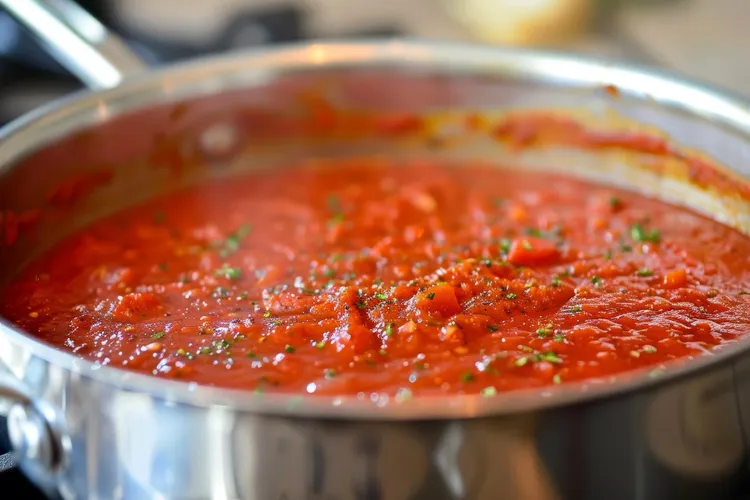
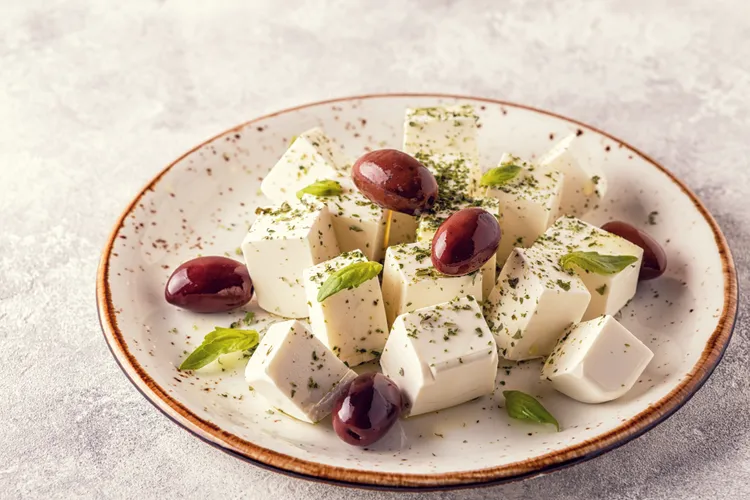
12. Harissa pasta: Stir 2 tbsp of harissa into a tomato pasta sauce in the final 2 minutes of cooking. Serve with pasta, crumbled feta, and black olives. A 15-minute dinner that has the North African flavour profile with the familiar Italian format.
13. Harissa in a one-pan lamb and chickpea stew: Brown lamb neck fillet or shoulder pieces. Remove. Fry 1 diced onion until golden. Add 2 tbsp of harissa, 1 tsp of cumin, 1 tin of chickpeas (drained), 1 tin of chopped tomatoes, and 200ml of stock. Return the lamb. Simmer 45 minutes covered until tender. Serve with couscous and a large spoonful of harissa yogurt. See the One-Pan collection's One-Pan Formula for the structural approach.
14. Harissa merguez and egg pan: Fry 4-6 merguez sausages (the North African lamb sausages spiced with harissa and caraway) with sliced peppers and onion. Create wells in the mixture. Add 2 eggs per person. Cover and cook until whites are set. A Tunisian-style Sunday breakfast.
As a Condiment
15. Harissa on the table: The simplest and arguably the most important application. A small bowl of harissa on the table alongside any North African or Middle Eastern meal - couscous, tagine, grilled fish, lamb - for each diner to add as much or as little heat as they want. This is how harissa is eaten in Tunisia: present at every meal, used liberally, a condiment as fundamental as ketchup is in the UK.
Harissa in the Cross-Collection Context
Harissa is one of the most useful cross-pillar flavour bridges on this site:
BBQ season: Harissa yogurt is one of the best BBQ condiments available - see BBQ Marinades, Rubs and Sauces: 12 Recipes and Vegetarian BBQ: 10 Recipes Worth Grilling.
Street food: Harissa is the condiment backbone of North African street food, central to the shakshuka tradition, and a key element of Tunisian-Libyan sandwiches. See The Street Food Sauce Bible: 15 Sauces from 15 Countries in the Street Food collection.
Plant-based cooking: Harissa transforms lentil dishes, chickpea preparations, and vegetable mains with minimal effort. See The Plant-Based Comfort Food Toolkit.
Fermentation: Rose harissa's flavour deepens measurably after several days in the refrigerator - fermentation is not the mechanism, but the melding of flavours in an acidic, salted environment produces a qualitatively different paste on day 5 than on day 1.
The Harissa Pantry Pairings
Harissa works best alongside:
- Preserved lemon - the sour-salt of preserved lemon against the heat of harissa is one of North African cooking's essential tensions. See Preserved Lemons: Uses, Recipes & How to Make.
- Tahini - the sesame richness tames harissa's heat while the combination produces something more complex than either alone. See Tahini: The Sesame Paste That Makes Everything Better.
- Sumac - the fruity acidity of sumac complements harissa's warmth in dressings, rubs, and condiment combinations. See Sumac: What It Is and How to Cook With It.
- Pomegranate molasses - sweet-sour pomegranate molasses against harissa's heat and spice in a glaze or sauce is a North African-Levantine combination with remarkable depth. See Pomegranate Molasses: 14 Ways to Use It.
Pro Tips
- Start with rose harissa if heat is a concern. The commercial rose harissa versions (particularly Belazu) are significantly milder than traditional Tunisian harissa. If the audience at the table includes heat-sensitive eaters, rose harissa provides the flavour without the fire.
- Oil coverage in storage. After each use, smooth the surface of the harissa and cover with a thin layer of olive oil. This prevents the surface from oxidising and drying - oxidised harissa loses its flavour and eventually develops off-notes.
- Scale the heat to the application. In a marinade where it is diluted across 500g of meat: 2-3 tbsp. In a sauce where it is the primary flavour: 1-1.5 tbsp for 4 servings. In a condiment alongside food: each diner decides. The heat amplifies in concentrated applications - use less than you think, taste, and add more.
- Toast your own spices if making from scratch. The caraway and coriander toasted freshly and ground immediately before blending produce dramatically more aromatic harissa than using pre-ground spices. The difference is significant enough to be the reason to make harissa from scratch rather than buy it.
The Most Common Harissa Mistake: Using Too Much in a Cream or Dairy Sauce Harissa's heat is fat-soluble - in a yogurt sauce or cream-based preparation, the capsaicin distributes into the fat phase and the heat becomes pervasive rather than the pleasant background spice that a small quantity produces. Start with ½ tsp in any dairy preparation, taste, and increase incrementally. 1-1.5 tbsp is the typical final quantity for harissa yogurt; in a cream-based pasta sauce, ½-1 tsp is usually sufficient.
FAQ
Q: What's the difference between harissa and regular chilli paste?
The caraway and coriander seeds are the defining difference. Most chilli pastes are built around the chilli itself - harissa's flavour identity is as much about those two spices as the heat. If you substitute harissa with another chilli paste, you lose the specific North African character that makes harissa irreplaceable in its home applications.
Q: Can I make harissa with fresh chillies?
Yes, though the flavour is different - the drying and rehydration of dried chillies produces a more concentrated, slightly smoky, deeper flavour than fresh chillies. A fresh harissa (using roasted fresh red chillies) is lighter, brighter, and more intensely fresh - good, but a different product. It also has a shorter shelf life (3-4 days vs. 3 weeks for the dried-chilli version).
Q: How hot is harissa?
It depends entirely on which chillies are used and how many. The Belazu rose harissa is mild-medium (approximately 3-4 on a 10-point scale). Traditional Tunisian harissa from a tube or small tin can be 7-8. Homemade harissa is entirely at your discretion - adjust the ratio of mild dried chillies (New Mexico, ancho) to hot chillies (bird's eye, arbol) to your preference.
🔗 Related Ingredients
Latest