Pomegranate Molasses: The Middle Eastern Syrup That Belongs in Every Kitchen
Concentrated pomegranate juice, reduced until thick and intensely flavoured - and fourteen reasons to keep it in your pantry permanently
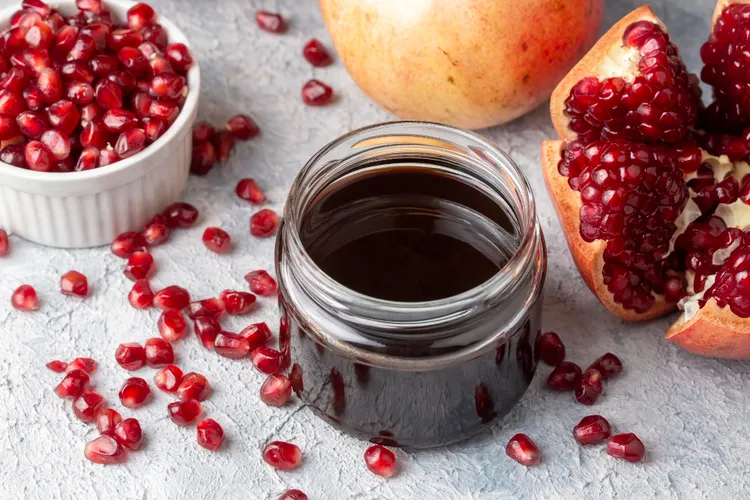
Pomegranate molasses is one of the great underappreciated ingredients in any kitchen - a condiment of such concentrated, complex flavour that a single tablespoon transforms a dish entirely, yet one that most Western cooks have encountered only in a specific Middle Eastern recipe and never reached for again.
It should be reached for constantly. Pomegranate molasses is, at its core, a flavour amplifier and a complexity-adder - a thick, intensely sour-sweet syrup that does for savoury and sweet cooking what balsamic vinegar reduction does, but with a specific pomegranate fruitiness that balsamic reduction doesn't have. It adds acidity without the sharpness of vinegar. It adds sweetness without the simplicity of sugar. It adds a deep, fruity complexity - the specific flavour of pomegranate, concentrated and intensified - that no other single ingredient produces.
It appears in Iranian, Lebanese, Syrian, Turkish, and Georgian cooking as a primary condiment and cooking acid. And it works just as well in a British vinaigrette, an American BBQ sauce, a Mexican marinade, or an Italian pasta dish. It is genuinely cross-cultural - which is why it appears as the wildcard entry in this collection.
What Pomegranate Molasses Is
Pomegranate molasses is pomegranate juice reduced - by simmering for 30-45 minutes - until it becomes thick, syrupy, and intensely concentrated. The reduction concentrates the sugars (sweetness), the malic and citric acids (tartness), and the anthocyanin pigments (the deep ruby-red colour) of the fresh juice.
The flavour profile:
- Sour - prominently, from the concentrated natural acids of pomegranate
- Sweet - present but secondary to the sourness in quality pomegranate molasses; in cheap versions, sugar is added to compensate for lower-quality juice, making it sweeter and less interesting
- Fruity - a specific pomegranate character, deep and berry-like
- Slightly bitter - a background note from the reduction process that adds depth
Quality indicators:
- Ingredients: Pomegranate juice only (and possibly lemon juice). No added sugar in quality molasses.
- Thickness: Should pour like a thin honey - not liquid, not solid.
- Colour: Deep, ruby-red to almost black.
- Taste: Predominantly sour with sweetness behind it. If it tastes predominantly sweet with sourness as a secondary note, sugar has been added.
Recommended brands: Al-Wadi (Lebanese - reliable, widely available), Cortas (Lebanese - excellent quality), Sadaf (available at Middle Eastern grocery stores). Avoid any brand where sugar is the first or second ingredient.
How to Make Pomegranate Molasses at Home
Makes approximately 200ml | Active time: 5 minutes | Passive time: 45 minutes
Ingredients:
- 1 litre pure pomegranate juice (no added sugar - fresh pressed or 100% juice)
- 2 tbsp lemon juice
- Optional: 1 tbsp sugar (only if the juice is not sweet enough)
Method: Combine in a wide saucepan. Bring to a boil, reduce to a steady simmer. Cook uncovered for 45-60 minutes, stirring occasionally, until the liquid has reduced to approximately 200ml and coats a spoon thickly. It will thicken further as it cools. Store in a sealed jar in the refrigerator for up to 6 months.
Homemade pomegranate molasses is consistently better than shop-bought because you control the reduction level and the sugar content. The homemade version is more intensely pomegranate-flavoured and less sweet.
14 Applications
1. The Classic Salad Dressing Acid
The most immediate application and the one that instantly demonstrates what pomegranate molasses does. Replace balsamic vinegar or red wine vinegar in any vinaigrette with pomegranate molasses.
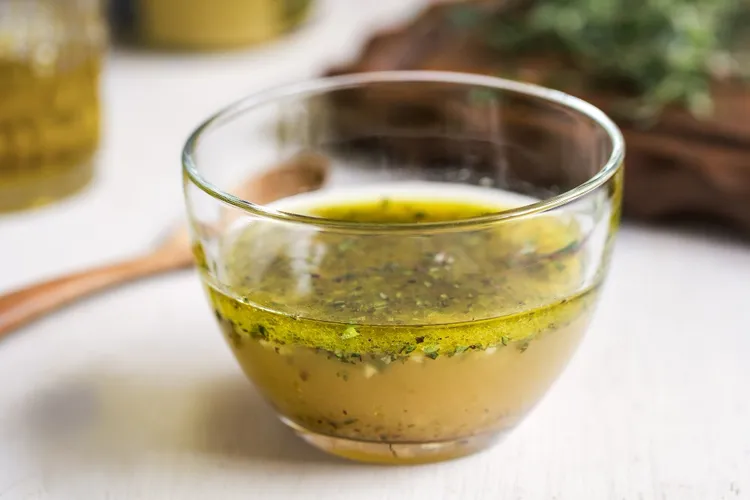
Pomegranate molasses vinaigrette: 1 tbsp pomegranate molasses + 3 tbsp olive oil + 1 tsp dijon mustard + ½ tsp salt. Whisk until emulsified. The dressing has a depth and sweetness-acidity balance that simple vinegar dressings rarely achieve. It is particularly good on: rocket and Parmesan salads, beetroot and goat's cheese, bitter radicchio, roasted vegetable salads.
2. Fesenjan (Persian Walnut and Pomegranate Stew)
The dish that most people associate with pomegranate molasses in Persian cooking - a dark, rich stew of chicken (or duck, or lamb, or in the plant-based version, jackfruit or butternut squash) in a sauce of ground walnuts and pomegranate molasses. The molasses provides the sour-sweet backbone; the ground walnuts provide body and richness; together they produce a stew that is unlike anything else in any cuisine.
Simplified fesenjan:
- Sauté 1 onion until golden
- Add 200g of finely ground walnuts (toasted first)
- Add 200ml pomegranate molasses + 300ml vegetable or chicken stock
- Simmer for 20 minutes until thick and glossy
- Add the cooked protein (chicken, duck confit, or roasted butternut squash)
- Simmer 10 more minutes
- Season - the balance of sour, sweet, and nutty should be in roughly equal measure
3. Muhammara (Syrian Red Pepper and Walnut Dip)
Alongside hummus, muhammara is one of the great Levantine dips - roasted red peppers, ground walnuts, breadcrumbs, garlic, and pomegranate molasses blended into a thick, slightly spiced, deeply complex dip. The molasses provides the sour-sweet note that distinguishes muhammara from any other roasted pepper preparation.
Quick muhammara: Blend 3 roasted red peppers + 80g ground walnuts + 2 tbsp pomegranate molasses + 1 tsp cumin + ½ tsp Aleppo pepper + 1 clove garlic + 2 tbsp olive oil + salt. The pomegranate molasses is non-negotiable here - it is the ingredient that makes muhammara taste of muhammara rather than a roasted pepper dip.
4. As a Glaze for Roasted Meat or Vegetables
Brush pomegranate molasses over lamb, duck, chicken, or aubergine in the final 15-20 minutes of roasting. The molasses caramelises in the oven heat, producing a glossy, deeply coloured, intensely flavoured crust. The sweetness caramelises; the acidity brightens the rich fat of the meat; the colour deepens dramatically.
Pomegranate-glazed lamb shoulder is one of the great Sunday roast preparations - the glaze applied in three or four coats during the final hour of a low-and-slow cook.
5. In BBQ Sauce
Add 2 tbsp of pomegranate molasses to any BBQ sauce to add complexity and a fruity-tart depth that ketchup and vinegar alone don't provide. The pomegranate's acidity brightens; its fruitiness deepens; the reduction's natural sweetness balances the smoke.
A pomegranate-chipotle BBQ sauce - combining the chipotle technique from the Chipotle in Adobo post with pomegranate molasses - is one of the most complex and most rewarding sauces in this collection.
6. In Cocktails
A barspoon of pomegranate molasses in a cocktail - whisky sour, Negroni variation, gin and tonic, tequila cocktail - adds a depth and fruitiness that grenadine (sugar syrup with artificial pomegranate flavouring, which is what most bar grenadine is) cannot touch.
Pomegranate whisky sour: 50ml whisky + 25ml lemon juice + 1 tbsp pomegranate molasses + ½ tbsp simple syrup. Shake with ice. Strain. The pomegranate molasses replaces the sugar syrup, provides the acidity, and adds its own complexity.
7. Marinade for Duck or Lamb
A classic Middle Eastern and Persian application. Combine 3 tbsp pomegranate molasses + 2 tbsp olive oil + 2 cloves garlic + 1 tsp ground cumin + 1 tsp ground coriander + salt. Marinate duck legs or lamb chops overnight. Roast or grill.
The malic acid in the molasses tenderises the surface of the meat; the reduction's sweetness caramelises during cooking; the pomegranate flavour permeates throughout.
8. Drizzled Over Cheese or Charcuterie
A drizzle of pomegranate molasses over aged goat's cheese, brie, Manchego, or ricotta provides the sour-sweet contrast that honey usually provides - but with more complexity and less simplicity. For a cheese board: combine with walnuts and fresh pomegranate seeds for a garnish that is more interesting than any jam or chutney.
9. In Chocolate Cake or Brownies
2 tbsp of pomegranate molasses in a chocolate cake batter or brownie mix adds a fruity sourness that lifts the chocolate and prevents it from feeling heavy or cloying. The pomegranate-chocolate combination is classic (pomegranate seeds in chocolate confectionery) applied in liquid form.
10. Persian-Inspired Rice Dishes
A drizzle of pomegranate molasses over a finished pilaf - particularly a rice with walnuts, dried fruits, and herbs - provides the sweet-sour contrast that makes Persian rice dishes distinctive. Combine with saffron-infused rice, fried onions, and dried barberries or cranberries for a simple pilaf that tastes complex.
11. As a Reduction for Roasted Beetroot
Roasted beetroot already has a deep, earthy sweetness. Drizzle with pomegranate molasses in the final 10 minutes of roasting and the molasses caramelises into the beetroot's surface, producing a combination of earth, sweetness, and fruity tartness that is one of the best vegetable preparations in this collection. Serve with labneh or goat's cheese and fresh mint.
12. In a Chicken Liver or Game Terrine
A tablespoon of pomegranate molasses stirred into a chicken liver pâté or game terrine mix adds a fruity sourness that cuts through the richness of the liver. The molasses's sweetness is barely perceptible; its acidity and complexity are clearly present.
13. In Smoothies
A teaspoon of pomegranate molasses in a smoothie (berry smoothie, cherry-almond, any fruit-based combination) adds a depth and tartness that fresh pomegranate juice doesn't achieve in the same small quantity. The concentrated nature of the molasses means a teaspoon has the flavour impact of a tablespoon of fresh juice.
14. Pomegranate Vinaigrette as a Marinade Base
The pomegranate molasses vinaigrette (Application 1) doubles as a marinade for grilled vegetables, halloumi, tofu, or thin cuts of meat. The acid tenderises; the sweetness promotes caramelisation; the pomegranate flavour permeates. Marinate for 2-4 hours and grill over high heat.
The Cross-Cultural Reach
Pomegranate molasses appears in six distinct culinary traditions, which is why it earns the "cross-cultural wildcard" position in this collection:
- Persian/Iranian: Fesenjan, rice dishes, lamb marinades
- Lebanese/Syrian: Muhammara, dressings, meat glazes
- Turkish: Salad dressings, roast meats, meze accompaniment
- Georgian: Walnut-based sauces, chicken preparations
- American: BBQ sauce enhancement (increasingly)
- General cross-cultural: Cocktails, vinaigrettes, dessert glazes
This breadth is unique among the sixteen ingredients in this pillar - most others are strongly associated with one or two traditions. Pomegranate molasses is genuinely useful across half a dozen.
Pro Tips
- Make your own for the best quality. Shop-bought versions vary enormously; the best are excellent, the worst are mostly sugar with a faint pomegranate flavour. Homemade from 100% pomegranate juice, reduced until thick, is always better and costs the same.
- Use by the teaspoon or tablespoon, not by the cup. Pomegranate molasses is very concentrated. Most applications use 1-3 tbsp. More than this and the tartness and sweetness can overwhelm.
- It keeps almost indefinitely. Both shop-bought and homemade pomegranate molasses keep for 6-12 months refrigerated and 6 months at room temperature. A bottle purchased for fesenjan will still be good for a dozen other applications months later.
- The sumac pairing: Sumac and pomegranate molasses are a natural pair - both provide sourness, both are fruity, both come from the same culinary tradition. In a dressing or marinade, they amplify each other.
FAQ
Q: Can I use pomegranate juice instead of pomegranate molasses?
They are not the same concentration - pomegranate juice is approximately 5–6 times more dilute than molasses. If substituting, reduce the quantity significantly (1 tbsp molasses ≈ 5-6 tbsp juice) and expect a thinner sauce. For most applications, the reduced version is necessary for the thick, glossy result.
Q: Is pomegranate molasses the same as grenadine?
No - commercial grenadine is usually a sugar syrup with artificial pomegranate flavouring and red food dye. Quality grenadine is made from pomegranate juice but is much sweeter and less complex than pomegranate molasses. They are not interchangeable.
Q: Can I use it in savoury cooking if I don't cook Middle Eastern food?
Absolutely - this is precisely the point of its inclusion in this collection. The flavour properties (sour-sweet, fruity, complex) are applicable to virtually any cuisine. The pomegranate vinaigrette works on any salad; the glaze works on any roasted meat or vegetable; the cocktail application requires no context beyond a bottle and a glass.
🔗 Related Ingredient Deep Dives
- Sumac: The Tangy Red Spice That Replaces Lemon in Middle Eastern Cooking
- Za'atar: The Herb-and-Spice Blend That Belongs on Every Table
- Tahini: The Sesame Paste That Makes Everything Better
- Preserved Lemons: The Fermented Citrus That Transforms North African Cooking
- Tamarind: The Sour Backbone of Indian and Southeast Asian Cooking
- World Cuisines in Your Pantry: The Ingredient Deep Dives
Latest