Why You Hate Cleaning Up After Cooking (And How to Cut It in Half)
Cleanup dread is one of the biggest cooking barriers nobody talks about. One-pan cooking, clean-as-you-go habits, and smarter kitchen setup can cut it by more than half.
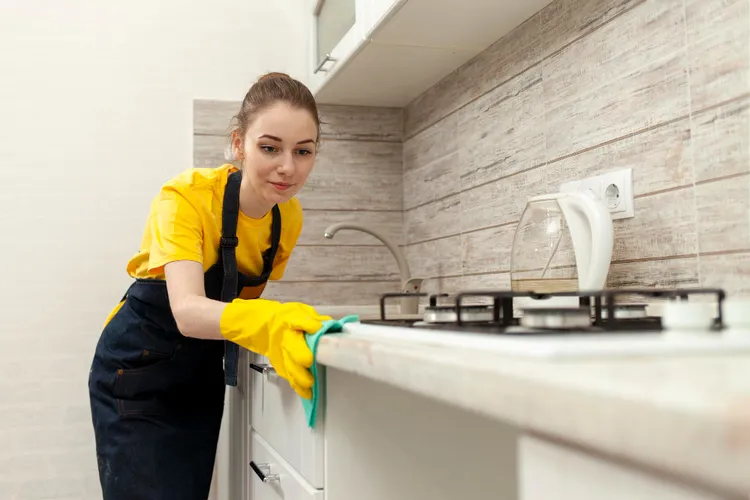
Ask people why they don't cook more and "I hate the cleanup" comes up almost as often as "I don't have time." It's a legitimate complaint. A 30-minute meal can generate 45 minutes of dishes. But most of that is avoidable with a different approach to how you cook.
Why Cleanup Gets Out of Hand
The typical cleanup pile: a cutting board, two prep bowls, a pan, a pot, serving dishes, utensils, measuring spoons. Most of this isn't necessary. It's the result of cooking in a way that maximizes mess rather than minimizes it.
The biggest culprits:
- Using multiple pans when one would work
- Measuring into bowls instead of directly into the pan
- Not cleaning as you go, so everything hardens
- Using the wrong pan size (too small = spills, too large = burnt bits)
One-Pan Cooking
The simplest fix is structural: cook meals that use one pan. One-pan balsamic chicken with mushrooms, green beans and cherry tomatoes is a complete meal - protein and vegetables - with one pan and a cutting board to clean. Scrambled eggs with bacon and mushrooms is another: everything in one skillet, 12 minutes, done.
Sheet pan dinners follow the same logic. Protein and vegetables on one tray in the oven - the oven does the cooking, and cleanup is one tray plus a knife and board.
Clean As You Go
The most effective habit for reducing cleanup: wash things while they're not being used. While onions are caramelizing (8-10 minutes of low-attention time), wash the cutting board and the knife. While the chicken is in the oven, wipe down the counter. By the time the meal is ready, most of the cleanup is already done.
This doesn't require discipline - it requires making it automatic. The cue is "something is on the heat unattended." The response is "clean something."
Fewer Prep Bowls
Recipes often call for prepping ingredients into separate bowls before cooking. Professional kitchens do this. Home cooking doesn't require it. Chop the onion directly onto the board and sweep it into the pan. Measure spices into the lid of the spice jar and tip them in. The only prep bowls worth using are for things that genuinely need to be combined before adding - a marinade, a spice mix, beaten eggs.
The Right Pan Size
A pan that's too small for the food you're cooking creates spatter, spillage, and burning - all of which are harder to clean. Use a pan that's bigger than you think you need. Easier to cook, easier to clean.
Lining and Non-Stick
Parchment paper on a sheet pan eliminates almost all roasting cleanup - the food doesn't touch the pan. Non-stick skillets reduce egg and fish cleanup dramatically. Both are small investments that pay off every time you cook.
The Soak Rule
Anything with cooked-on food goes straight into water with a drop of dish soap while you eat. By the time you're done eating, it's easy to clean. Letting it sit dry for an hour creates work. This is the single habit change with the highest return on cleanup time.
For more on reducing cooking friction overall, see why you hate cooking and how to fix it.
Latest