How to Grow Rosemary at Home (Pots, Beds, and Overwintering)
A practical guide to growing rosemary at home - soil, sun, watering, and how to get a plant through winter in a cold climate.
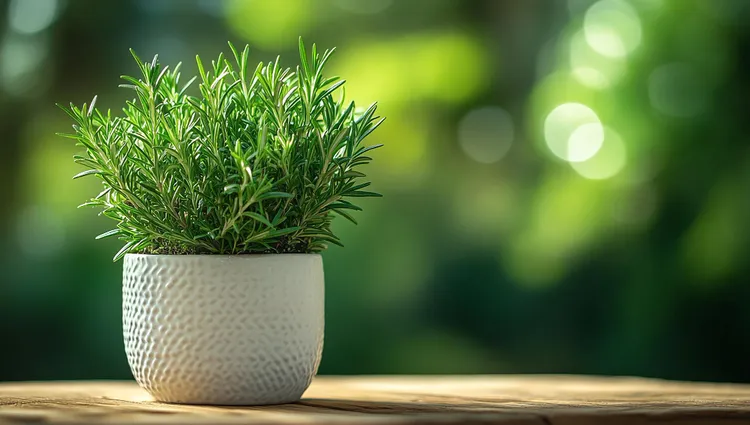
Rosemary has a reputation as an easy herb to grow, and mostly it deserves it - provided you remember it's a Mediterranean plant at heart and treat it accordingly. The mistakes that kill rosemary are almost always about too much water and not enough drainage, rather than neglect.
Choosing a Spot
Rosemary wants full sun - at least six hours of direct light a day, more if you can manage it. It's tolerant of poor, sandy soil but intolerant of soggy, heavy soil, so drainage matters more than fertility here. If your garden soil is dense clay, a raised bed or large container with a well-draining mix is a more reliable choice than planting directly in the ground.
Soil and Potting Mix
Use a gritty, fast-draining mix - a standard potting mix with extra perlite or coarse sand worked in mimics the lean, well-drained soil rosemary is adapted to in the wild. Avoid rich, heavily amended soil or frequent fertilizing, both of which tend to produce lush, floppy growth with a milder flavor rather than the compact, intensely aromatic growth you actually want.
Watering
Let the soil dry out substantially between waterings - rosemary is genuinely drought-tolerant once established, and overwatering is the single most common way it dies. Root rot from soggy soil shows up as browning, dropping needles and a generally unhappy-looking plant, which confuses people into watering more rather than less. If a rosemary plant looks stressed, check the soil moisture before assuming it needs water.
Growing in Containers
A container at least 12 to 14 inches wide gives rosemary's root system enough room to establish. Make sure the pot has drainage holes - this is non-negotiable for rosemary. Terracotta pots are a good choice since the porous material helps excess moisture evaporate, further reducing the risk of waterlogged roots.
Overwintering in Cold Climates
This is where most cold-climate gardeners run into trouble. Rosemary is only reliably winter-hardy outdoors in USDA zones 8 and warmer; in colder regions it will not survive a hard freeze outdoors. A few options for getting a plant through winter:
- Bring it indoors: Before the first frost, move a potted rosemary plant to a bright, cool indoor spot - a south-facing window is ideal. Indoor rosemary is prone to powdery mildew if air circulation is poor, so a spot with some airflow (or an occasional fan) helps.
- Reduce watering further indoors: Rosemary's water needs drop even lower indoors during winter dormancy. Err on the side of underwatering.
- Treat it as an annual: In climates too cold to realistically overwinter a plant, many home cooks simply treat rosemary as an annual, buying or propagating a new plant each spring rather than fighting to keep one alive indoors all winter.
Rosemary brought indoors for winter often struggles regardless - lower light and humidity than it's used to outdoors can cause some needle drop and slower growth. This is normal and doesn't necessarily mean the plant is dying, as long as it isn't accompanied by soft, mushy stems (a sign of rot).
Pruning and Shape
Regular light pruning keeps rosemary bushy rather than woody and sparse. Because rosemary's stems are woody rather than soft like tarragon's, it tolerates harder pruning without much risk - cutting back up to a third of the plant at once is generally fine during the growing season. Avoid cutting into completely bare, leafless wood, since older woody growth is less likely to resprout than younger green growth.
Signs of a Healthy Plant
- Compact, bushy growth rather than long, floppy stems
- Strong piney aroma when a leaf is crushed
- New growth at the tips of stems through the growing season
- Soil that dries out noticeably between waterings without the plant wilting
Once established, rosemary is genuinely one of the lower-maintenance herbs to keep around for years. For how to turn a healthy plant into a new one, see our propagation guide, or head back to the complete rosemary guide for everything else.
Latest