The Best Way to Store Fresh Basil (Counter vs Fridge)
Why basil blackens in the fridge, the water-jar method that keeps it fresh at room temperature, and realistic shelf-life numbers.
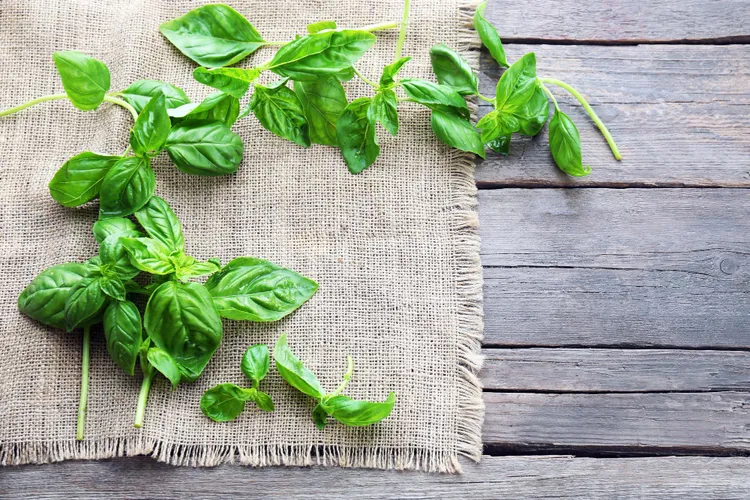
Basil is the one common kitchen herb that gets worse, not better, in the refrigerator. Leaves that go in green come out with black patches within a day or two, and most people assume the basil was already old. It wasn't. It was cold.
Why the Fridge Damages Basil
Basil is a tropical and subtropical plant. Its cell membranes aren't built to handle temperatures much below 50°F (10°C), and standard refrigerators run around 35 to 38°F. That temperature causes cold-induced cell damage, similar to freezer burn but from cold alone, which shows up as dark, water-soaked patches on the leaves. This isn't spoilage in the bacterial sense. It's tissue damage, and it happens whether the basil is wrapped, bagged, or loose.
Most other soft herbs, parsley, cilantro, dill, tolerate fridge temperatures fine and actually last longer there. Basil is the exception, which is why the advice that works for every other herb backfires specifically here.
The Water-Jar Method
Treat cut basil like a bouquet of flowers, because that's essentially what it is once it's off the plant.
- Trim about half an inch off the bottom of each stem at an angle, the same way you'd trim flower stems
- Stand the stems in a jar or glass with about 2 inches of water covering the cut ends
- Remove any leaves that would sit below the waterline, since submerged leaves rot and speed up spoilage
- Leave the jar on the counter, out of direct sunlight, at normal room temperature
- Loosely cover the top with a plastic bag if the room is very dry, but don't seal it tightly
Change the water every 2 to 3 days. Basil kept this way commonly lasts 7 to 10 days, sometimes longer, and many stems will even root and can be planted if you want an extra plant out of the deal.
Shelf Life Comparison
- Loose in a fridge bag: 1 to 2 days before visible blackening starts
- Wrapped in damp paper towel, fridge: 2 to 4 days, still degrading faster than room temperature storage
- Water jar, room temperature: 7 to 10 days, sometimes up to two weeks with regular water changes
- Water jar with loose plastic bag cover: similar to plain jar method, slightly better humidity retention in dry climates
When the Fridge Actually Makes Sense
If basil needs to travel or be stored somewhere a jar of water isn't practical, a very brief fridge stay, under 24 hours, wrapped loosely in a dry paper towel inside a container (not a sealed bag) causes minimal damage. This isn't a long-term solution, just a short bridge if the water-jar setup isn't available yet.
Once Leaves Start to Wilt
Slightly wilted basil that hasn't blackened is still fine to use, especially in cooked dishes, infused oil, or vinegar where texture doesn't matter as much as flavor. Leaves with dark, soggy patches should be trimmed away, but the rest of the bunch is often still usable. Basil that's fully blackened throughout is genuinely past use and should be composted rather than cooked with.
Storage Is a Bridge, Not a Solution
The water-jar method buys time, but for a genuine glut, more basil than a household will eat fresh in a week, storage alone won't solve the problem. Preservation methods like freezing, drying, or turning basil into oil or pesto lock in the harvest for weeks or months instead of days. See How to Freeze Basil and How to Dry Basil at Home for the next step once short-term storage isn't enough, or the full Basil Glut Guide for the complete plan from harvest through the plate.
Setting Up the Jar for Best Results
Jar choice matters more than it seems. A tall, narrow jar supports stems better than a wide, shallow bowl, which lets stems flop over the rim and bend at the cut point. Mason jars, tall drinking glasses, or repurposed bottles all work well. Group stems loosely rather than packing them tightly; overcrowded stems trap moisture against the leaves and encourage rot, undermining the whole point of the method.
Placement also matters. A spot with good airflow but out of direct sun and away from the stove or any heat source gives the most consistent results. A kitchen counter away from a sunny window is usually ideal, cool enough to slow wilting without the cold damage a fridge causes.
Signs Basil Is Starting to Decline
Even with proper storage, basil doesn't last forever. Watch for these signs that a bunch needs to be used soon or moved into a preservation method rather than kept fresh any longer:
- Leaves that feel slightly slimy rather than crisp when touched
- A sour or overly sweet smell rather than basil's typical peppery aroma
- Yellowing at leaf edges, a sign of nutrient depletion in cut stems even in water
- Stems that have started to root; harmless, but a sign the bunch has been stored for a while and should be used or moved to a plant pot soon
None of these signs mean the basil is unsafe on their own, but they're a signal that fresh eating quality is declining and the leaves are better suited to cooking, or one of the preservation methods, than a raw salad.
Common Mistakes
- Storing basil in a sealed bag, wet or dry. Trapped moisture in a sealed bag accelerates rot regardless of temperature. If a bag must be used for portability, leave it loosely closed rather than sealed.
- Forgetting to change the water. Water left unchanged for more than 3 days can grow bacteria that shortens the bunch's usable life rather than extending it. Fresh water every 2 to 3 days is part of what makes this method work.
- Storing basil near ripening fruit. Apples, bananas, and other ethylene-producing fruit can speed up basil's decline if stored nearby, similar to the effect ethylene has on other leafy greens.
Frequently Asked Questions
Can I store basil this way if it's already been refrigerated once?
Yes, though expect a shorter remaining shelf life if cold damage has already started. Trim the stems fresh and start the water-jar method as usual; it will still slow further decline even if it can't undo damage that's already occurred.
Does the water-jar method work for basil bought in a plastic clamshell from the store?
Yes. Remove any rubber bands or ties, trim the stem ends, and set up the jar the same way as garden-cut basil. Store-bought basil often benefits even more from this method since it's typically already a few days old by the time it's purchased.
Is it safe to eat basil once it has started rooting in the jar?
Yes, rooting doesn't affect the leaves' safety or flavor. It's simply a sign the stem has been in water long enough to start growing, and some gardeners use rooted stems to start new plants.
Tips for Success
Don't wash basil until right before you use it. Water on the leaves during storage speeds up rot, especially around the stem base. If you buy basil at a store rather than growing it, check whether it's already been refrigerated. Store-bought basil that's spent time in a cold case often blackens faster once it's home, even with the water-jar method, simply because the cold damage has already started. If you're storing basil to stretch across several meals, planning out what each portion is going toward ahead of time helps make sure the freshest leaves get used before quality starts to drop.
Latest