How to Use Miso in Marinades, Dressings, and Braises (Without Overpowering the Dish)
Miso is one of the most versatile fermented ingredients in any kitchen - but the ratio and timing matters. Too much and the dish becomes salty and muddy; too little and you've wasted a great ingredient. This guide covers the practical ratios for marinades, dressings, braises, and soups.
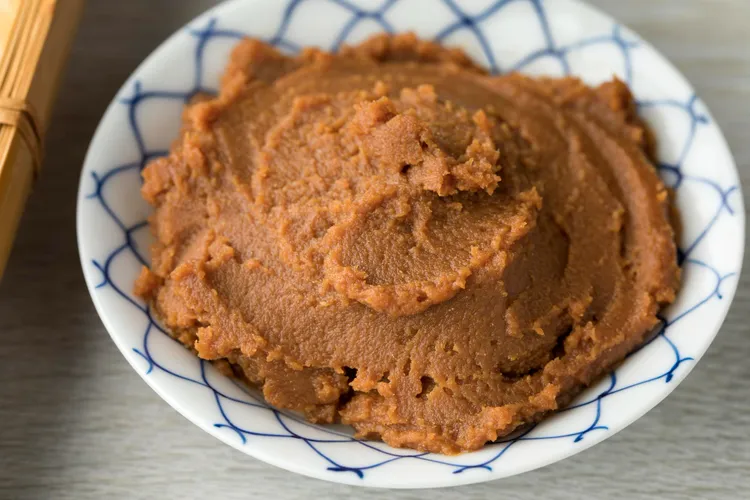
Miso's particular challenge is that it is simultaneously a salt, a fat, a flavouring, and a fermented complex ingredient. Add too much and you're seasoning incorrectly as well as overflavouring. Add it at the wrong time and you kill the live cultures that give good miso its complexity. But when used in the right quantities at the right moments, miso improves almost anything it touches - including things you would never expect to benefit from a Japanese fermented paste.
The Single Most Important Rule
Never boil miso. Add it to liquids that have been removed from the heat, or at the very end of cooking in soups and braises. Heat above ~70°C kills the live cultures and dulls the aromatic compounds produced by the long fermentation. This is particularly important for premium red and hatcho miso - white miso has had less time to develop these volatile aromatics, so is slightly more heat-tolerant in practice, but the rule applies to all types.
Miso in Marinades
Miso is an outstanding marinade base because it contains enzymes that tenderise protein and a salt content that draws moisture in (then out, creating a more concentrated surface). It also caramelises beautifully under a grill or in a hot pan.
Base ratio: 2 tbsp miso + 1 tbsp mirin + 1 tbsp sake (or dry sherry) + 1 tsp sugar per 2-person protein serving. This makes roughly 50g of paste marinade.
- Fish: White miso only. Marinate salmon, cod, or sea bass for 30 minutes to 2 hours. Longer than 2 hours and the salt starts to break down the texture too aggressively. The lemon-butter baked salmon is excellent with a white miso rub on the flesh side before baking.
- Chicken: White or yellow miso. Marinate thighs or drumsticks for 1-4 hours. Grill or roast; the miso creates a caramelised crust that is one of the best things that can happen to a chicken thigh.
- Beef (short rib, flank, skirt): Red or hatcho miso. Marinate for 2-8 hours. The higher intensity of the red miso stands up to the stronger flavour of beef.
- Vegetables: White miso. Aubergine especially - brush with the miso-mirin-sake mixture and grill under a high flame. The classic preparation is dengaku (miso-glazed aubergine), which requires no recipe beyond the ratio above.
Miso in Dressings
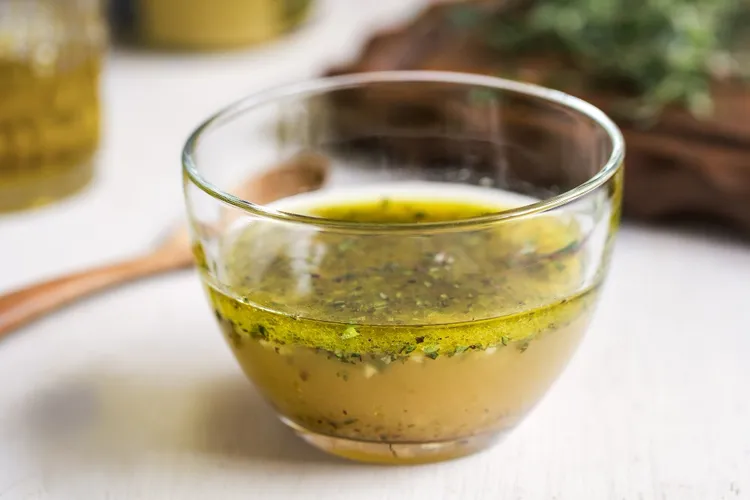
Miso dressings are quick and highly versatile. The fat and emulsification challenges of a standard vinaigrette are eased by miso's natural body and the way it integrates with oil and acid.
Basic miso dressing ratio (makes ~6 tbsp, serves 2-3):
1 tbsp white miso + 2 tbsp rice vinegar + 1 tbsp sesame oil + 1 tsp honey + 2-3 tbsp water. Whisk until smooth.
Macros per 2 tbsp: ~55 kcal, 0.8g protein, 3g fat, 6g carbs, ~250mg sodium
Variations:
- Add 1 tsp grated ginger and 1 tsp soy sauce for a more complex version.
- Substitute tahini for sesame oil (1 tbsp) for a thicker, nuttier dressing that works on roasted vegetable salads.
- Add 1 tsp Dijon mustard to create a French-Japanese hybrid that works on green salads and as a sauce for grilled chicken.
Miso in Soups
The classic application - but with one critical refinement. Traditional Japanese miso soup uses dashi (kombu and bonito stock) as the base, which provides a background umami that lets the miso work efficiently in smaller quantities. Without dashi, you typically need more miso to achieve the same depth, which increases sodium proportionally.
Standard amount: 1 tbsp miso per 250ml liquid. Stir in off the heat; serve immediately. Do not return to the boil after adding miso.
Miso in Braises
For slow-cooked dishes - braised beef, lamb shanks, bean stews, lentil soups - miso adds complexity at a different register than salt alone. The fermented glutamates integrate into the braise over a long cook in a way that a late addition cannot replicate.
Technique: Add 1-2 tbsp red or yellow miso in the final 30 minutes of a long braise. Not at the beginning - the delicate fermented aromatics will dissipate over hours of heat. Not at the very end - it needs a few minutes to integrate. The 30-minute mark is the practical sweet spot for flavour integration without loss.
A tablespoon of miso added this way to a lamb braise for four people adds approximately 15 kcal and 300mg sodium per serving - a minimal macro impact for a noticeable flavour improvement.
For the full overview of miso types and their flavour profiles, see the Miso Paste 101 guide. For miso's place alongside fish sauce, garum, and anchovies in a complete fermented umami pantry, see the Complete Guide to Garum and Fermented Umami Sauces.
Latest