Miso Paste 101: Types, Macros, and How to Cook With It
Miso paste comes in four main varieties - white, yellow, red, and hatcho - each with a different fermentation time, flavour intensity, and nutritional profile. This is the practical guide for home cooks who want to use miso beyond soup.
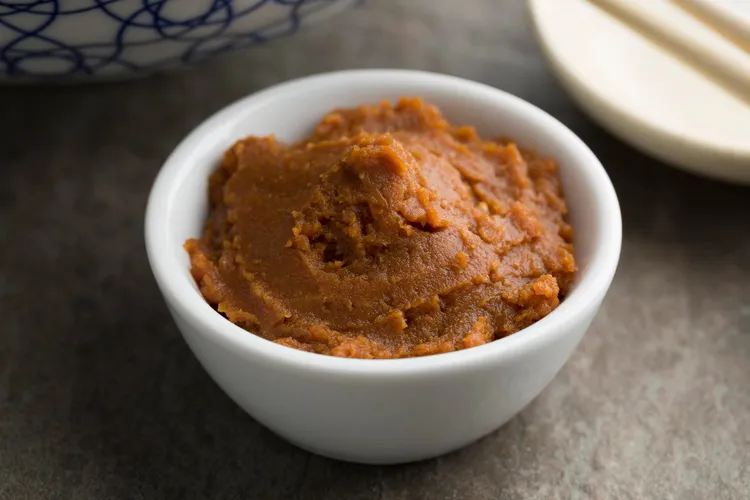
Most supermarkets now stock at least white miso, and most home cooks who buy it use it once - for miso soup - and then forget about the tub until it's past its best-before date. That's a waste of a genuinely versatile ingredient. Miso is, at its core, a fermented protein paste dense with glutamates. It does what salt does, but with more complexity and a slight sweetness from the fermentation. Once you understand that, you start using it everywhere.
The Four Main Types of Miso
White Miso (Shiro Miso)
Fermented for 3-8 weeks. The shortest fermentation produces the mildest, sweetest miso - pale cream in colour, with a gentle salinity and subtle sweetness. The most approachable type and the best starting point.
- Macros per 2 tbsp (approx. 30g): 35 kcal, 2g protein, 1g fat, 10g carbs, ~630mg sodium
- Best uses: Dressings, glazes for fish and vegetables, light soups, compound butter, desserts (miso caramel)
- Flavour notes: Sweet, mild, slightly fermented
Yellow Miso (Shinshu Miso)
Fermented 3-6 months. A middle ground between white and red - more complex than white miso but still versatile enough for most applications. Often the most useful all-purpose miso.
- Macros per 2 tbsp: 40 kcal, 2.5g protein, 1g fat, 8g carbs, ~700mg sodium
- Best uses: Soups, marinades, braises, sauces, dressings
- Flavour notes: Earthy, balanced, moderately savoury
Red Miso (Aka Miso)
Fermented 12-24 months. The longest standard fermentation produces the most intensely savoury miso - deep reddish-brown, salty, with a complexity that approaches aged parmesan or good soy sauce. Use in smaller quantities.
- Macros per 2 tbsp: 40 kcal, 3g protein, 1g fat, 7g carbs, ~950mg sodium
- Best uses: Long braises, hearty soups, meat marinades, glazes for grilled fatty cuts
- Flavour notes: Intense, deeply savoury, slightly bitter, long-lasting
Hatcho Miso
A specialist red miso fermented for 2-3 years under heavy stone weights, made only in Okazaki, Japan. Extremely intense and very salty. A small amount goes a long way; it is more a specialty ingredient than an everyday pantry item.
- Macros per 1 tbsp: ~25 kcal, 2g protein, 1g fat, 3g carbs, ~700mg sodium
- Best uses: Long braises, miso-glazed aubergine and fatty meats, small amounts in dressings for maximum depth
- Flavour notes: Earthy, dense, almost chocolatey, very salty
The One Rule: Never Boil Miso
Heat above approximately 70°C kills the live cultures in miso and degrades the aromatic compounds that give it complexity. Always add miso off the heat, or to liquid that has been removed from the flame. Stir it in, don't simmer it. This is the single most important technique rule for cooking with miso. For a full deep-dive including how to make miso from scratch, see the complete miso guide.
Five Everyday Uses Beyond Soup
1. Miso Compound Butter
Mix 2 tbsp white miso into 100g softened unsalted butter. Roll in cling film and refrigerate. Melt over grilled fish, corn, steak, or roasted vegetables. Extraordinary return on a two-minute effort. Try it finishing the lemon-butter baked salmon - swap half the butter for miso butter in the foil packet.
2. Miso Salad Dressing
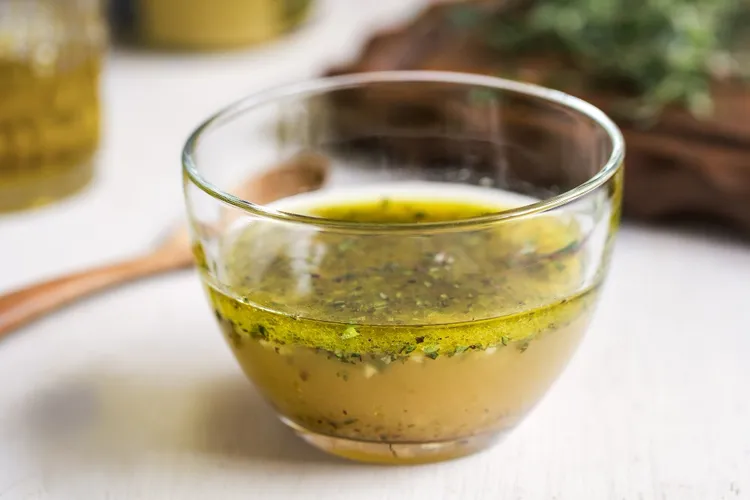
1 tbsp white miso + 2 tbsp rice vinegar + 1 tbsp sesame oil + 1 tsp honey + 2 tbsp warm water. Whisk until smooth. Works on any green salad or grain bowl. About 60 kcal per 3-tbsp serving.
3. Miso Glaze for Roasting
2 tbsp red or yellow miso + 1 tbsp mirin + 1 tbsp sake (or dry sherry) + 1 tsp sugar. Brush onto aubergine, courgette, salmon, or chicken thighs 10 minutes before the end of roasting. The sugars in the miso caramelise under the grill.
4. Miso in Braises
Stir 1 tbsp red miso into any slow-cooked braise or stew 30 minutes before the end of cooking. It doesn't make the dish taste Japanese - it simply makes it taste more complex. Works in bolognese, beef stew, bean dishes, and lentil soups.
5. Miso Caramel
Standard caramel sauce with 1 tbsp white miso stirred in at the end. The salt and glutamates in the miso create a sweet-savoury depth that plain salted caramel doesn't achieve. Use as a dessert topping or baked into cookies.
Budget Notes
White and yellow miso are available in most UK supermarkets for £3-5 per tub (typically 300-400g). A tub lasts a long time if used in tbsp-level quantities, and keeps refrigerated indefinitely - miso doesn't really spoil, it just slowly intensifies. The hatcho and specialist varieties require a Japanese supermarket or online order.
For more on miso's place in the fermented umami pantry alongside fish sauce, garum, and anchovies, see the Complete Guide to Garum and Fermented Umami Sauces.
How to Use Miso in Marinades and Braises
For a practical step-by-step on ratios and techniques, see the dedicated guide: How to Use Miso in Marinades, Dressings, and Braises.
Latest