Frozen Fruit Jam: Making Jam from Your Freezer
Frozen fruit makes excellent jam year-round. The freezing process actually helps by breaking down cell walls and releasing juice - here is how to adjust for it.
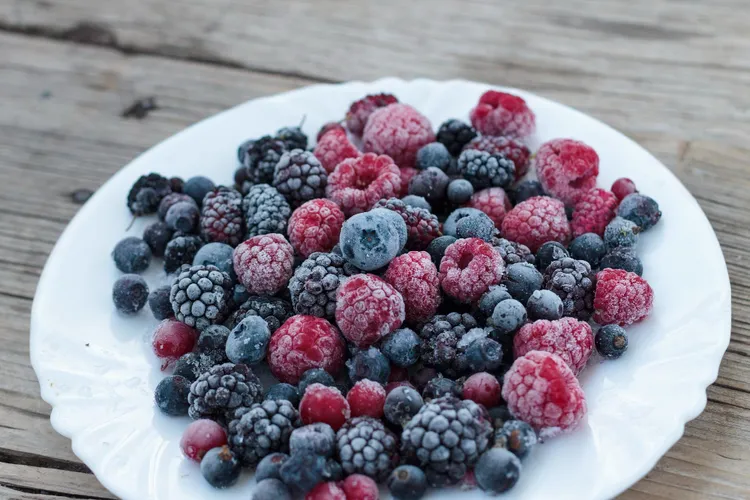
Frozen fruit is picked at peak ripeness and frozen immediately, which means it often has better flavour than out-of-season fresh fruit bought in winter. It also works as well as fresh for jam, sometimes better. Cell walls broken by freezing release juice faster, cutting cooking time and giving a more intensely flavoured result.
How Freezing Changes the Fruit
Ice crystals rupture cell walls during freezing. When the fruit thaws, it releases juice immediately instead of over the first few minutes of cooking. This means your jam will look very wet at the start - more liquid than you would expect from fresh fruit. Do not add extra water. The juice cooks down quickly and the result is concentrated flavour without any wateriness.
Pectin levels in frozen fruit are essentially the same as fresh, assuming the fruit was frozen at peak ripeness. Very overripe fruit frozen at the end of the season will have lower pectin than fresh fruit picked slightly underripe. If you are unsure of the age of your frozen fruit, use a tablespoon of extra lemon juice as insurance.
Which Frozen Fruits Work Best
Raspberries, blackberries, blackcurrants, and mixed berries are all excellent - these are the most commonly available frozen and work without adjustment. Frozen strawberries work well but release a lot of water; cook them a little longer before adding sugar to drive off excess liquid. Frozen mango makes good jam with added pectin or lemon. Frozen cherries are good for a chunky jam - stone them before freezing or buy pre-stoned.
Avoid frozen fruit with added syrup or sugar - the ratio will be impossible to calculate accurately.
Sourcing Frozen Fruit for Jam
IQF (individually quick frozen) fruit is the best type for jam - the pieces freeze separately rather than in a solid block, which means more consistent quality and easier handling. Most supermarket frozen fruit is IQF. Check the ingredient list: it should say only the fruit, nothing else. Avoid frozen fruit packs marketed for smoothies, which sometimes include added sweeteners or concentrate.
Thaw or Cook from Frozen?
Both work. Cooking from frozen takes slightly longer to reach a simmer and the release of liquid looks alarming at first but resolves quickly. Thawing first is better for fruit you want to keep in pieces - strawberries and peach chunks hold their shape better if thawed gently and drained slightly before cooking. For berries that will be fully broken down anyway, cooking from frozen is fine and saves time.
Recipe: Frozen Mixed Berry Jam
Makes: 4 to 5 x 340g jars | Prep: 5 minutes | Cook: 25 to 35 minutes
Ingredients
- 1kg frozen mixed berries (raspberries, blackberries, blackcurrants - any combination)
- 800g white granulated sugar
- 3 tablespoons lemon juice
- 1 teaspoon butter (optional, reduces foam)
Instructions
- Put two saucers in the freezer. Sterilise jars.
- Tip frozen berries directly into a large heavy pan with the lemon juice. Do not add water. Place over medium heat. The berries will release juice as they warm - stir occasionally to prevent sticking on the bottom.
- Once the fruit is fully thawed and bubbling, about 10 minutes, add sugar. Stir over low heat until fully dissolved.
- Add butter if using. Increase to a full rolling boil. Boil for 10 to 15 minutes, skimming foam.
- Test with the wrinkle test from 10 minutes. Mixed berry jam sets reliably due to the blackcurrant pectin - you should see a clear wrinkle by 12 to 15 minutes.
- Ladle into warm sterilised jars. Seal immediately.
Frozen Fruit and Foam
Frozen fruit releases more foam than fresh during boiling. This is normal - it is air trapped in the broken cell walls escaping. Skim it as you go. A teaspoon of butter added at the start noticeably reduces foaming. The foam is not harmful but makes the finished jam look cloudy if stirred back in.
Year-Round Jam Planning
Frozen fruit makes it practical to make jam when you have time rather than when fruit is in season. September and October are quieter periods for a home cook but both seasons have all summer berries available frozen. Building a small frozen fruit stock specifically for jam-making - a few bags each of raspberries, blackcurrants, and mixed berries - means a productive jam session is always possible at short notice without depending on what is fresh at the market.
Adjusting for Water Content
Frozen fruit releases more liquid during cooking than fresh fruit. For high-water-content fruits like strawberries, drain the thawed fruit briefly in a colander before cooking to remove some of the excess juice. For drier fruits like blackcurrants and raspberries, no drainage is needed. The extra liquid evaporates during the initial cooking stage before sugar is added. If you add sugar to a very watery fruit-juice mixture, the jam will take significantly longer to reach set and risks over-cooking.
Combining Fresh and Frozen
Combining fresh and frozen fruit in a single batch works well and is a practical approach when you have some of both. A base of frozen blackcurrants with fresh raspberries added halfway through cooking produces excellent flavour - the blackcurrant contributes pectin and sets reliably, the fresh raspberry adds brightness. Add the fresh fruit after the frozen has fully thawed and been cooking for 5 minutes to prevent the fresh berries from over-cooking.
Nutrition (per tablespoon, approx. 20g)
- Calories: approximately 49 kcal
- Carbs: 12g
- Protein: 0g
- Fat: 0g
For a full overview of jam technique including setting point, sugar ratios, and jar sterilisation, see the complete homemade jam guide.
Flavour Intensity and Frozen Fruit
Commercially frozen fruit is often picked at a more consistent ripeness than fresh out-of-season fruit. This means frozen summer berries bought in January can produce better-flavoured jam than fresh imported strawberries at the same time of year. The flavour difference is particularly noticeable with blackcurrants, raspberries, and cherries. Frozen mango, papaya, and tropical fruit varies more in quality and is worth tasting before committing to a full batch - some frozen tropical fruit has been picked underripe specifically to survive the freeze-thaw cycle, which means it lacks the sweetness and aroma you want in a jam.
Cost and Practicality
Frozen fruit is consistently cheaper than fresh by weight and available year-round with no wastage from spoilage. A 1kg bag of frozen mixed berries typically costs less than 1kg of fresh raspberries in season. When you factor in that jam-making uses the entire fruit with no waste, the cost per jar of finished jam from frozen fruit is genuinely low. This makes large batch jam-making from frozen fruit an economical and practical project even outside the traditional preserving season. For the complete technique from start to finished jar, see the complete homemade jam guide.
Making Jam from Frozen Fruit: Frequently Asked Questions
Does frozen fruit make inferior jam?
No. In many cases it makes better jam than out-of-season fresh because it was frozen at peak ripeness.
Does it take longer to cook?
Slightly, because the fruit starts cold.
Does it set as well?
Yes - pectin levels are unchanged by freezing.
Can you use fruit that has been frozen twice (thawed and refrozen)?
Technically yes in terms of jam safety, but quality degrades and texture suffers - avoid it if you can.
Can you freeze jam made from frozen fruit?
Yes, with the normal headspace allowance. The result after thawing is indistinguishable from jam that was never frozen.
For the complete technique covering pectin, setting point, sterilisation, and storage, the complete homemade jam guide has everything you need.
Building a Frozen Fruit Stock for Jam
Buying frozen fruit specifically for jam-making is a practical strategy worth considering. A 1kg bag of frozen raspberries, a 1kg bag of blackcurrants, and a 1kg bag of mixed berries gives you the material for three full jam sessions at any point in the year. Store them at the back of the freezer where they will not thaw and refreeze. Rotate by date - older bags first. When summer fruit comes into season, supplement the frozen stock with fresh or buy fresh and freeze it yourself at peak quality. Washing, hulling, and freezing summer strawberries in July for a jam session in November gives you better fruit than buying fresh strawberries in November. For the full jam-making technique, the complete homemade jam guide covers every stage from fruit to finished jar.
Texture After Thawing Frozen Jam
Jam that has been frozen and thawed is safe to eat and tastes the same as unfrozen jam, but the texture can be slightly different. The pectin gel structure is partially disrupted by freezing, which means the thawed jam may be slightly looser or show some liquid separation at the surface. Stir it before use and it will look and behave normally. This texture change is more pronounced in low-sugar or Pomona's jam because the gel structure is softer to begin with. Standard high-sugar jam freezes and thaws with minimal texture change. If you are freezing jam specifically to preserve it rather than to use it from frozen, high-sugar varieties are more stable. For the complete overview of storage options including freezing, fridge, and pantry, see the homemade jam storage guide.
Quick Reference Summary
This article is one of 12 guides in the CookThisMuch homemade jam series. The article The Home Cook's Complete Guide to Making Jam from Scratch, covers the full framework: pectin types, sugar ratios, setting point science, sterilisation methods, water bath canning, and storage shelf life by type. Each cluster guide in the series, including this one, covers a specific fruit, technique, or problem in depth with a tested recipe. Whether you are making your first single jar or working through a summer glut of stone fruit, the technique is the same: soft fruit first, sugar second, rolling boil to setting point, hot jar, sealed lid. The details within that sequence are what this series covers, article by article, so you have a reliable reference for every variation you will encounter in a season of jam-making at home.
All recipes in this series use standard kitchen equipment. None require specialist preserving pans, pressure canners, or commercial-grade ingredients. The most useful single investment for anyone making jam regularly is a digital sugar thermometer with a clip. Beyond that, a heavy-based pan, clean glass jars, and two cold saucers in the freezer are all you need to produce consistently good results.
Frozen Fruit Jam: At a Glance
Cook from frozen with no added water. The fruit releases its own juice as it thaws in the pan. Add sugar only once fully thawed and bubbling. Boil to setting point using the standard wrinkle test. Set and yield are identical to fresh fruit jam. Flavour is as good or better than out-of-season fresh. Available year-round. More economical than fresh by weight. The only meaningful difference from fresh-fruit jam is more foam during boiling - a teaspoon of butter at the start reduces this significantly. For the full jam-making technique from first principles, the complete homemade jam guide has everything.
Testing Frozen Fruit Before You Commit a Full Batch
Before making a full 1kg batch from unfamiliar frozen fruit, make a small test: cook 200g with 160g sugar and check the flavour, colour, and set. Some frozen tropical fruit has poor flavour after thawing - underripe or old stock shows as a flat, watery result with none of the aromatics you expect. Frozen berries are almost always reliable, but frozen mango, pineapple, and papaya vary more in quality. The 15-minute test costs almost nothing and tells you exactly what you are working with. If the flavour is good, scale up confidently. If it is flat or watery, add a tablespoon of lemon juice, a strip of fresh zest, or pair it with a stronger-flavoured fruit to boost the result. The underlying technique is the same regardless of the fruit - the complete homemade jam guide covers the foundation.
Foam Management with Frozen Fruit
Frozen fruit releases significantly more foam than fresh during boiling because the cell walls rupture during freezing and trap air is released rapidly once heat is applied. This foam is harmless but clouds the finished jam if stirred back in. Skim it regularly with a large spoon during the rolling boil stage. Adding a teaspoon of unsalted butter at the start of cooking before the fruit thaws is the most reliable way to reduce foaming - the fat disperses the foam bubbles before they form a thick layer. Some cooks add the butter only after the sugar goes in, but adding it earlier works better with frozen fruit because the foam starts forming during the thaw stage, not just during the boil. If foam is heavy and you cannot skim fast enough, briefly reduce the heat to let it settle, skim, then return to a full rolling boil. Do not leave the heat reduced for long - the jam needs to reach setting temperature.
Latest