Low-FODMAP Meals That Don't Feel Like a Punishment
Low-FODMAP eating eliminates a long list of common ingredients - garlic, onion, wheat, most dairy, stone fruit, legumes - but the safe list is larger than most people expect, and the meals you can build from it are substantial, satisfying, and genuinely good.
FODMAP stands for fermentable oligosaccharides, disaccharides, monosaccharides, and polyols. These are carbohydrates that ferment in the gut, producing gas and triggering IBS symptoms: bloating, cramping, urgency, and the kind of unpredictable digestion that makes it hard to eat with confidence. The low-FODMAP elimination diet was developed at Monash University as a systematic way to identify personal triggers, and it has strong evidence behind it - around 75% of people with IBS see significant improvement.
What You Can't Eat (and Why It's Not as Bad as It Looks)
High-FODMAP foods to eliminate during the elimination phase:
- Alliums: Garlic, onion, leek, shallots, spring onion whites
- Wheat and rye (in quantity - small amounts may be tolerated)
- Most dairy: regular milk, soft cheese, yoghurt, cream, ice cream
- Most legumes: chickpeas, lentils, kidney beans (small amounts of canned, well-rinsed versions are often tolerated)
- Stone fruit: peaches, nectarines, plums, cherries, apricots
- Apples and pears
- Wheat-based pasta and bread
- Honey and high-fructose corn syrup
But look at what's left:
The Low-FODMAP Safe List Worth Knowing
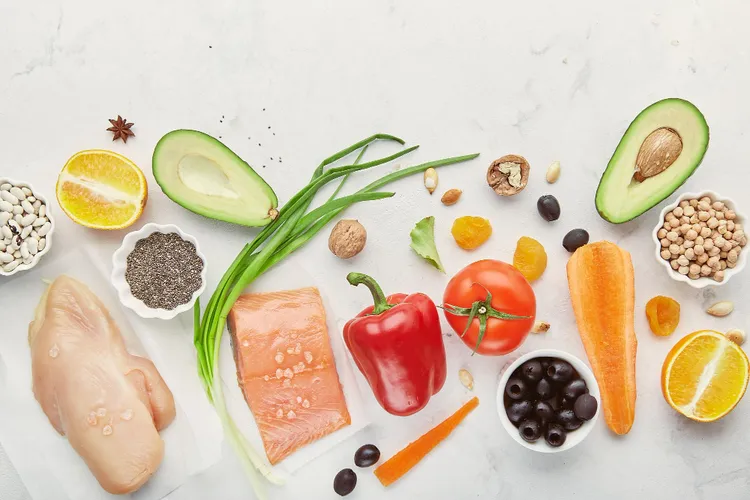
- Proteins: All plain meat, poultry, fish, eggs. Firm tofu (up to 170g). Tempeh.
- Grains: Rice, oats (certified GF), quinoa, corn, potatoes, gluten-free pasta and bread
- Vegetables: Carrots, zucchini (courgette), cucumber, tomatoes, spinach, kale, bok choy, bean sprouts, red capsicum (bell pepper), aubergine (eggplant), potatoes, sweet potato (limit to 70g per serving)
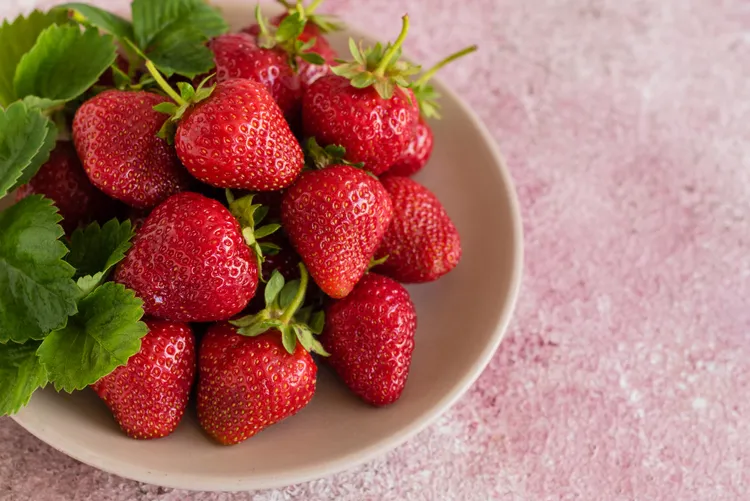
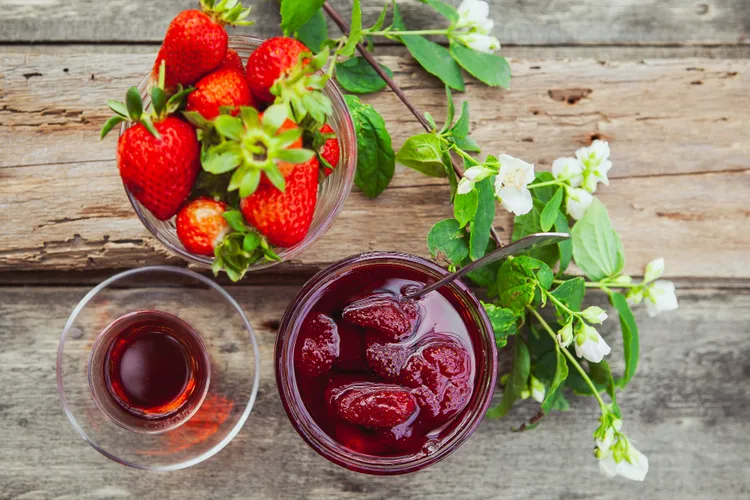
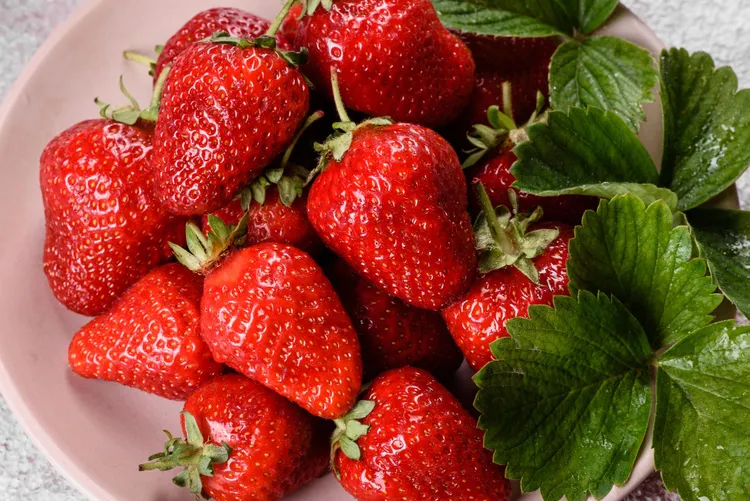
- Fruit: Bananas (unripe are lower FODMAP), blueberries, strawberries, oranges, grapes, kiwi, pineapple, lemon, lime
- Dairy alternatives: Lactose-free milk and yoghurt, hard cheeses (cheddar, parmesan, Swiss), most plant milks
- Flavourings: Spring onion greens (not the white bulb), chives, garlic-infused oil (FODMAPs don't leach into oil), fresh herbs, soy sauce (check for wheat; use tamari), maple syrup
Garlic-infused oil is the key unlock for flavour. FODMAPs are water-soluble, not fat-soluble, so they don't transfer to oil when you infuse it. Buy it or make it by heating olive oil with crushed garlic cloves, removing the garlic, and using the oil. You get the garlic flavour with none of the FODMAP load.
Five Low-FODMAP Weeknight Dinners
Pan-Roasted Chicken Thighs with Roasted Vegetables
Pan-roasted chicken thighs with roasted courgette, capsicum, and tomatoes - naturally low-FODMAP with no modifications. Season with garlic-infused oil, fresh herbs, lemon. ~38g protein, 350 kcal per serving.
Salmon with Asparagus
Lemon-butter salmon with asparagus - check that butter is lactose-free or swap for olive oil. Asparagus is low-FODMAP at 5 spears (60g); don't exceed that in one sitting. ~38g protein, 400 kcal.
Rice Bowl with Tofu and Bok Choy
200g firm tofu, pan-fried in garlic-infused oil with tamari. Serve over rice with steamed bok choy and spring onion greens. ~28g protein, 450 kcal. The tamari adds the savoury depth that soy sauce would otherwise provide - check it's wheat-free.
Egg Frittata
5 eggs + zucchini + spinach + hard cheese + garlic-infused oil. Baked in an oven-safe pan at 180C for 20 minutes. ~28g protein, 380 kcal. Refrigerates for 4 days. Egg and cottage cheese omelette is in a similar range - check the cottage cheese is lactose-free if sensitivity is severe.
Rice Noodle Stir-Fry
Rice noodles + prawns or chicken + bok choy + bean sprouts + capsicum + tamari + sesame oil + spring onion greens. Classic stir-fry format, fully low-FODMAP. ~30g protein, 480 kcal. Fast enough for a weeknight, batch-friendly enough for a Sunday.
Staying consistent during the elimination phase is far easier when your meals are mapped out in advance - use this meal planning tool to build a low-FODMAP week you'll actually stick to.
The Reintroduction Phase
The elimination phase lasts 2-6 weeks. After that, you systematically reintroduce foods one at a time - one new food per 3 days - to identify your personal triggers. Most people can reintroduce many foods that were initially eliminated. Garlic and onion are common persistent triggers; many other high-FODMAP foods turn out to be fine in moderate amounts. Working with a FODMAP-trained dietitian for the reintroduction phase significantly improves outcomes.
Meal Prep on Low-FODMAP
Meal prep is especially valuable on low-FODMAP because it removes the moment of standing in the kitchen hungry, opening the fridge, and grabbing whatever is easiest - which often contains onion, garlic, or wheat. Batch-cook one or two safe proteins, a grain, and roasted vegetables on Sunday. The batch cooking guide covers the logistics.
For the full picture of managing multiple special diets in one household, see our special diets guide.
Latest