Planting Garlic Cloves (Fall Planting & Choosing Seed Stock)
Why garlic is planted in fall rather than spring, how to choose between hardneck and softneck seed stock, and correct planting depth and spacing.
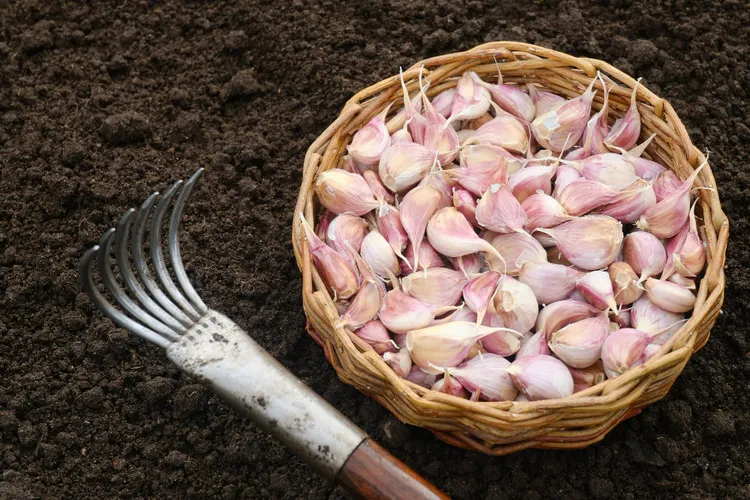
Garlic is one of the few common vegetables planted in fall rather than spring, a fact that surprises a lot of first-time growers used to a spring-planting default for nearly everything else in the garden. Understanding why fall planting works, and works better, changes how you should think about timing from the very start.
Why Fall Planting Produces Bigger Heads
Garlic needs a cold period, called vernalization, to trigger the bulb formation (splitting into distinct cloves) that defines a mature head. Without adequate cold exposure, garlic tends to grow as a single, undivided round rather than developing the multi-clove structure everyone expects. Fall planting, typically 2 to 6 weeks before the ground freezes, gives the clove time to establish roots before winter, then exposes it to a full winter's worth of cold before spring growth begins, reliably triggering proper bulb development. Spring-planted garlic can still produce a harvest, but heads tend to run smaller since the cold exposure window is compressed.
Choosing Seed Stock: Hardneck vs. Softneck
This decision, made at the planting stage, shapes nearly everything downstream in this guide.
- Hardneck garlic: Produces a stiff central flower stalk (the "hardneck") and typically fewer, larger cloves arranged in a single ring around that stalk. Hardneck varieties tend to have more complex flavor and better cold tolerance, making them the default choice for gardeners in colder climates. They store for a shorter window than softneck, typically 4 to 6 months.
- Softneck garlic: No rigid central stalk, more numerous and smaller cloves arranged in overlapping layers. Softneck varieties store considerably longer, sometimes 9 to 12 months under good conditions, and their flexible stems are what make traditional garlic braiding possible. Softneck tends to prefer milder climates but grows successfully across a wider range than often assumed.
A reasonable approach for a first-time grower: plant a hardneck variety for eating fresh through winter and into spring, plus a softneck variety specifically for long-term storage through summer and fall, covering both use cases from a single planting.
Sourcing Seed Garlic
Garlic for planting, called seed garlic even though it's actually a clove rather than a true seed, should come from a garden center, seed catalog, or farmers market specializing in seed stock, not a grocery store bulb. Grocery store garlic is often treated with a sprout inhibitor to extend shelf life, which also suppresses the sprouting needed for planting, and it may carry diseases uncommon in dedicated seed stock. Buying seed garlic from a source suited to your specific climate zone also improves the odds of a variety well-adapted to local conditions.
Preparing the Bed
Garlic wants full sun (6 or more hours daily) and well-draining soil; standing water or heavy, compacted clay soil is one of the more common causes of rot in overwintering cloves. Working compost into the bed before planting improves both drainage and nutrient availability heading into the following season. A soil pH close to neutral, roughly 6.0 to 7.0, suits garlic well; extremely acidic or alkaline soil can be amended ahead of planting if a soil test indicates it's needed.
Planting Technique
Break bulbs into individual cloves just before planting, not weeks ahead of time, since separated cloves dry out and lose vigor if left exposed too long. Keep the papery skin on each clove intact. Plant cloves pointed end up, root end down, about 2 inches (5cm) deep and 4 to 6 inches (10 to 15cm) apart, with rows spaced roughly 12 inches (30cm) apart to allow room for full head development.
Mulching Before Winter
A generous layer of straw or shredded leaf mulch, applied after planting and before the ground fully freezes, insulates cloves against extreme temperature swings and helps retain consistent soil moisture through winter. In regions with reliable, consistent snow cover, mulch matters less since snow itself provides insulation; in areas with unpredictable freeze-thaw cycles and little snow, mulch is a meaningfully protective step worth taking.
What Happens Over Winter
Planted cloves develop roots through the remaining fall weeks before the ground freezes solid, then sit dormant through the coldest part of winter. Green shoots typically emerge in very early spring, often before most other garden plants show activity, a reassuring first sign the planting was successful. From there, the plant moves into its main growing phase, covered in our growing guide.
Frequently Asked Questions
Can I plant garlic in spring if I missed the fall window? Yes, though expect smaller heads due to reduced cold exposure. Refrigerating seed cloves for 4 to 6 weeks before a spring planting can partially substitute for natural winter cold, improving bulb formation compared to an unchilled spring planting.
How many cloves should I plant for a household's yearly supply? Each planted clove produces one full head at harvest, so working backward from expected household consumption (a rough estimate of 40 to 60 heads per year for a household that cooks with garlic regularly) gives a reasonable planting target, accounting for some loss to disease or poor germination.
Does garlic need to be planted in the same spot every year? No, and it shouldn't be. Rotating garlic's planting location year to year, avoiding the same bed for at least 3 to 4 years, reduces disease buildup in the soil specific to alliums.
What's the biggest planting mistake first-time growers make? Planting too shallow, which leaves cloves vulnerable to frost heaving (being pushed up out of the soil by freeze-thaw cycles) over winter. Two inches of soil depth plus a mulch layer on top gives meaningfully better protection than a shallow planting.
Determining Your Local Planting Window
The general "2 to 6 weeks before the ground freezes" guideline needs translating into an actual calendar date for a specific location, and local agricultural extension offices are typically the most reliable source for this, since frost and freeze timing varies considerably even within the same general region. In many temperate Northern Hemisphere climates, this window commonly falls somewhere between early October and late November, but checking a local source rather than relying on a generic date is worth the extra few minutes.
Spacing and Bed Layout in More Detail
Beyond the basic 4 to 6 inch clove spacing and 12 inch row spacing covered above, garlic beds benefit from being laid out in a way that allows access for later scape harvesting (for hardneck varieties) and for eventual digging at harvest time without disturbing neighboring plants. Raised beds or clearly defined rows, rather than a broadcast planting scattered across an open area, make both of these later tasks considerably easier.
Soil Amendments Worth Considering
Beyond basic compost, garlic responds well to a balanced, complete fertilizer worked into the soil at planting time, since the plant draws on stored soil nutrients through the winter months before spring growth resumes and before any additional feeding is practical. Bone meal, added specifically for its phosphorus content, is a traditional addition at planting time in many growing guides, supporting the root development that happens through fall before winter dormancy sets in.
What Happens If Cloves Are Planted Too Close to Freeze-Up
Planting very late in the fall window, close to when the ground is actually expected to freeze, gives cloves less time to establish roots before dormancy, which can reduce both winter survival and eventual bulb size compared to an earlier planting within the recommended window. If a planting is unavoidably delayed, extra mulch depth helps compensate somewhat by keeping soil workable and insulated slightly longer into the season.
Comparing Fall Planting to Purchasing Started Plants
Garlic isn't typically sold as started nursery plants the way tomatoes or peppers often are, since the fall-planting, cold-dormancy cycle doesn't lend itself to the spring nursery model most other vegetables follow. This makes sourcing seed garlic directly, rather than looking for started plants, the standard and really the only practical approach for home gardeners.
Frequently Asked Questions
What if my ground doesn't freeze at all in a typical winter? In climates with little to no ground freeze, garlic can still be planted in fall for a late-fall-to-spring growing cycle, though bulb formation may be less pronounced without a real cold period; refrigerating seed cloves for several weeks before planting can help substitute for missing natural cold exposure.
How many varieties should a beginner start with? One hardneck and one softneck variety, a small planting of each, is a reasonable starting point, giving direct comparison experience without overcommitting to an unfamiliar crop in the first season.
Does clove size at planting affect final bulb size? Yes, generally; larger cloves tend to produce larger bulbs, all else equal, which is why saving the largest cloves from a harvest specifically for the next season's seed stock, rather than planting the smallest leftover cloves, tends to improve results over successive seasons.
Is it necessary to treat cloves with anything before planting? Most home gardeners plant cloves untreated with good results. Some growers soak cloves briefly in a diluted baking soda or mild fungicidal solution before planting as a preventive measure against soil-borne disease, though this is an optional extra step rather than a strict requirement for a successful planting.
A Simple Planting Checklist
- Confirm your local fall planting window, 2 to 6 weeks before the ground typically freezes.
- Source seed garlic from a dedicated supplier, not a grocery store bulb.
- Choose at least one hardneck and one softneck variety if possible.
- Prepare a well-draining bed with compost worked in ahead of planting.
- Break bulbs into cloves just before planting, keeping papery skins intact.
- Plant pointed end up, 2 inches deep, 4 to 6 inches apart.
- Mulch generously before the ground freezes.
Thinking Beyond the First Season
A first garlic planting is also an opportunity to start building a personal seed stock for future seasons, saving the largest, healthiest cloves from each harvest specifically for replanting rather than purchasing new seed garlic every year. Over several seasons, this practice can produce garlic increasingly well-adapted to a specific garden's exact soil and climate conditions, since the plants that performed best in that particular environment are the ones being selected forward each year.
What Success Looks Like at This Stage
By the time winter sets in, success isn't every single clove showing visible growth, it's a reasonable planting depth and mulch coverage that gives cloves the best realistic chance at surviving winter and resuming strong growth in spring. A few cloves that fail to establish is normal variation, not a sign the whole planting went wrong.
Thinking Ahead to the Rest of the Season
Decisions made at planting, variety choice, spacing, bed preparation, echo forward through every later stage covered in this guide. A well-prepared bed with good drainage reduces disease risk during growing. A thoughtful mix of hardneck and softneck varieties sets up both a scape harvest and a long-storing crop. Thinking briefly about the whole arc before the first clove goes into the ground pays off for months afterward.
Planning Ahead for Next Season While Planting This One
Even at the planting stage, it's worth briefly noting which bed this year's garlic is going into, since that same bed should generally sit out garlic and other alliums for the next several years as part of a sensible rotation. A simple garden map or planting log, even an informal one, makes this kind of multi-year planning considerably easier than relying on memory alone.
A Note on Purchasing Multiple Varieties
Seed garlic suppliers often sell in bulk quantities larger than a small home garden strictly needs for a single variety, which makes ordering two or three varieties together, splitting a supplier's minimum order across different types, a practical way to access more variety without excess of any single one. This also builds in a useful hedge against any single variety underperforming in a given season's specific conditions.
Planting garlic for the first time can feel like a leap of faith, burying cloves in fall and waiting nearly a year to see the payoff, but the process itself asks for very little beyond correct timing, depth, and spacing. Once that first crop comes up successfully the following spring, the whole cycle becomes considerably more intuitive for every season after.
Latest









