The Quiet Luxury Pantry: 12 Ingredients That Do All the Work
A well-chosen pantry doesn't just support good cooking - it makes good cooking almost automatic. These twelve ingredients are not expensive or obscure. They are consistently useful, flavour-dense, and responsible for most of what separates interesting food from flat food.

Most pantry advice confuses variety with quality. Forty spices you use once a year, five types of vinegar you've forgotten you own, three opened jars of tahini at various stages of oxidation. The quiet luxury pantry is the opposite: fewer things, used constantly, chosen because they add genuine depth across many different dishes.
The 12 Ingredients
1. Flaky Sea Salt
Not a finishing garnish - a texture and flavour tool used throughout cooking. Maldon is the standard for a reason: the pyramid-shaped crystals dissolve in a particular way that fine salt doesn't, giving bursts of seasoning rather than uniform saltiness. Used as a finishing salt on everything from roasted vegetables to brown butter financiers, it changes the eating experience in a way that's hard to explain until you try it. Fine salt for cooking, flaky salt for finishing - that's the rule.
2. White Miso
Shiro miso is fermented, which means it contains glutamates - the compounds responsible for umami. A tablespoon dissolved into a sauce, whisked into a glaze, or stirred into softened butter adds a depth that doesn't read as Japanese unless you want it to. It's the background note that makes people ask what's in this. White miso is milder and more versatile than red; start there. Keeps refrigerated for months.
3. Dry Vermouth
Better than white wine for most cooking purposes: it's more stable (won't turn in the bottle like opened wine), has consistent flavour, and costs very little. Use anywhere you'd use white wine - deglazing pans, poaching fish, making pan sauces. Noilly Prat is the classic choice. A 750ml bottle kept in the fridge lasts a month and covers dozens of dishes.
4. Preserved Lemon
Salt-cured lemons that have been fermenting in their own juice. The result is an ingredient that delivers both intense citrus flavour and umami complexity in a single addition. Use the rind only (rinse it first) - finely chopped in salad dressings, stirred into yoghurt, added to braising liquids, or scattered over roasted fish. One jar ($4-6 at any Middle Eastern grocery) lasts three months.
5. Aged Sherry Vinegar
The most underused vinegar in the home kitchen. Aged sherry vinegar has a complexity that balsamic has but without the sweetness, and a depth that white wine vinegar doesn't approach. A few drops at the end of a sauce brings all the flavours forward. Used in dressings, pan sauces, and anywhere a dish needs acid but not brightness. Age of three to five years is sufficient - you don't need to spend more than $12.
6. Whole Peppercorns (Tellicherry)
Pre-ground pepper is one of the quieter crimes of the domestic kitchen. Whole peppercorns ground fresh have a floral, complex quality that pre-ground loses within days. Tellicherry peppercorns from Kerala are the standard for quality. A good pepper mill is a genuine equipment investment - not the ones with a plastic grind mechanism. Fresh-ground pepper on the right dish is noticeable in the same way that good salt is.
7. Dijon Mustard
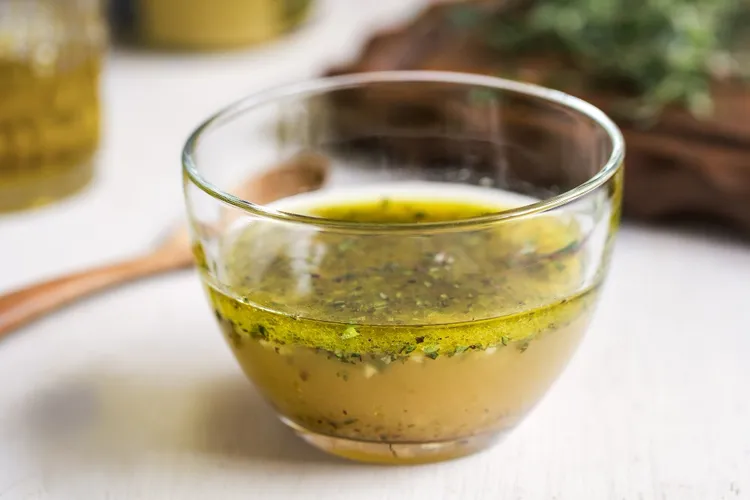
Three functions: emulsifier (keeps vinaigrettes from separating), flavour base (sauces, marinades, the inside of a roast chicken), and sauce thickener (a teaspoon stirred into a cream sauce adds body). Maille is the standard; Edmond Fallot is better and worth finding. The acidity in Dijon also functions as a brightening agent in rich sauces - a small addition late in cooking lifts everything.
8. Good Extra Virgin Olive Oil (Two Kinds)
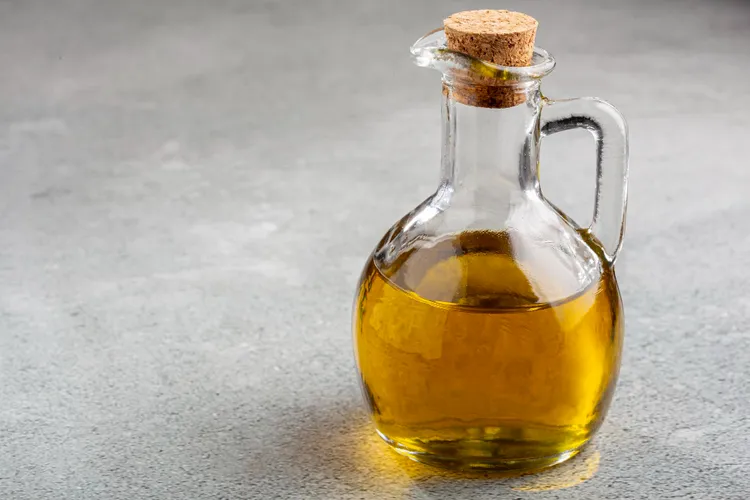
One for cooking (something reliable and not expensive - the heat destroys the delicate flavour compounds anyway), one for finishing (spend money here). A finishing olive oil - used cold, over a finished dish - adds grassy, peppery, fruity notes that transform simple things: white beans, burrata, grilled bread. Don't cook with your finishing oil. The flavour you paid for burns off in the pan.
9. Unsalted Butter (High Fat Content)
Standard supermarket butter is 80% fat. European-style butters (Kerrygold, Président, Anchor) are 82-84%, which means less water and more fat - important for pastry, noticeable in sauces. More fat content also means brown butter happens faster and more evenly. Use unsalted so you control the seasoning.
10. Kombu
Dried kelp, sold in Japanese grocery stores and increasingly in mainstream supermarkets. The single most efficient source of glutamic acid (the amino acid behind umami) in the pantry. Cold-steep a 10g piece in 1 litre of water for 30 minutes and you have dashi base - the backbone of Japanese cooking and one of the most elegant broths in any cuisine. Also add a piece to any bean cooking liquid: it softens beans faster and adds depth.
11. Dried Thyme and Bay Leaves
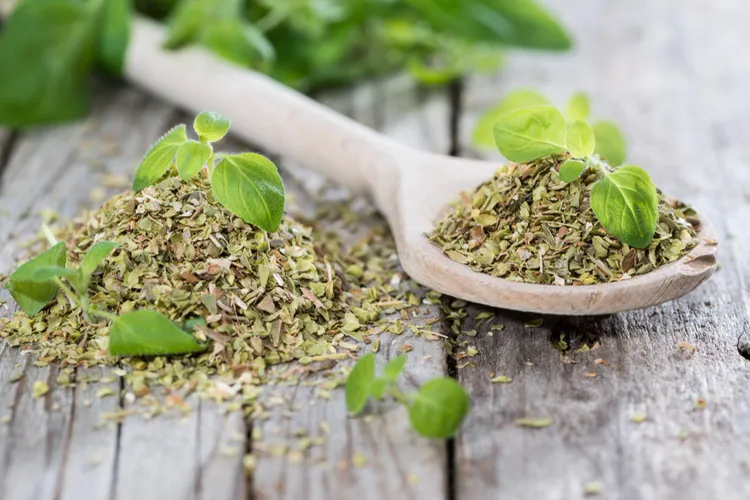
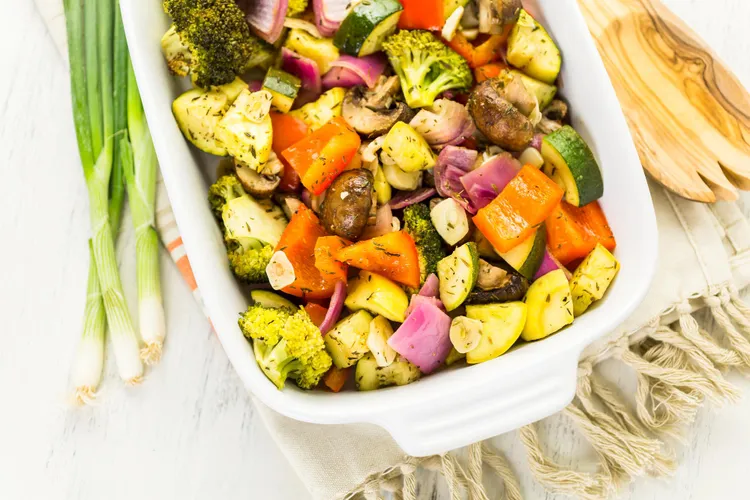
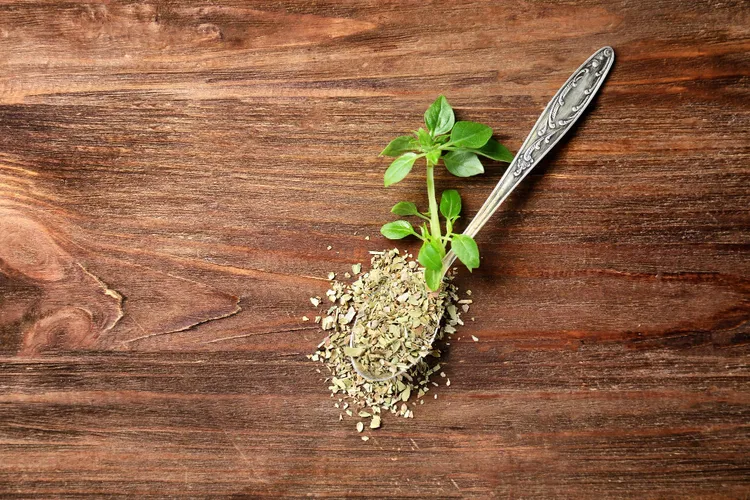
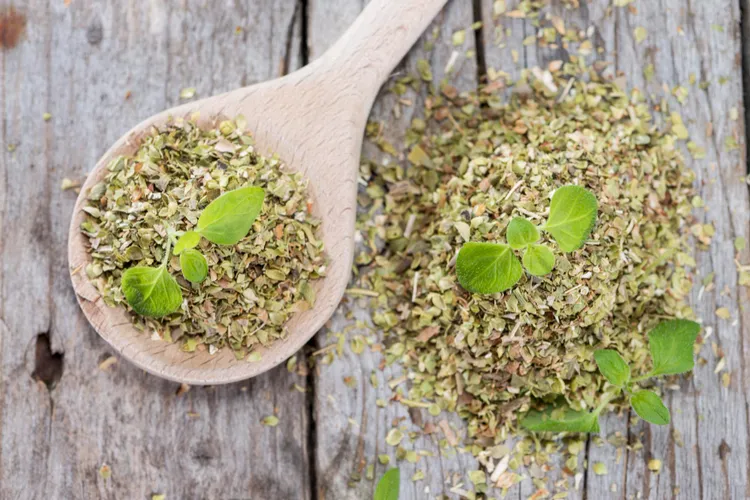
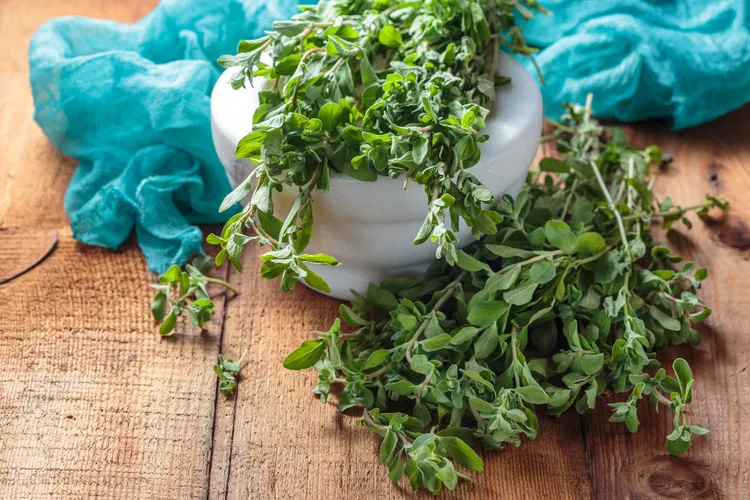
The two dried herbs that actually work. Most dried herbs are a disappointment - oregano is adequate, dried basil is not. But dried thyme and bay leaves improve with drying; the oils concentrate rather than dissipate. They go into almost everything long-cooked: braises, soups, stocks, roasting vegetables. Buy from a supplier with decent turnover (not the jar that's been in the cupboard for three years).
12. Parmigiano-Reggiano (Block, Not Pre-Grated)
Pre-grated Parmesan contains cellulose (added to prevent clumping) and has lost most of its volatile aromatics. A block of genuine Parmigiano-Reggiano - look for the name stamped on the rind - grated fresh over food is a different ingredient. The rind is also valuable: add it to any long-cooked soup or braise for depth. A 200g wedge costs $8-12 and lasts two weeks in the fridge wrapped in paper.
Use the nutrition calculators to balance meals built around these pantry staples.
What These Ingredients Have in Common
Every item on this list contributes umami, acid, fat depth, or texture - the four variables that most reliably improve food. None of them are single-use. The miso that goes into a glaze this week goes into a butter next week and a soup base the week after. Building a pantry around versatile, depth-adding ingredients is the practical foundation of quiet luxury cooking - before technique, before equipment, before anything else.
What's Not on the List
Truffle anything. Saffron (unless you use it regularly). Specialty salts beyond one good flaky variety. Coconut aminos. Smoked paprika (useful but not essential). Pink Himalayan salt (marketing, not flavour). The quiet luxury pantry earns its name from restraint - knowing what not to buy is as important as knowing what to stock.
How to Use Each Ingredient Daily
A pantry is only useful if you actually reach for it. Here's the practical application for each item, in case any feel abstract.
White miso: Whisk a tablespoon into salad dressings (replaces half the mustard). Stir into softened butter for a compound butter. Dissolve in the deglazing liquid for a pan sauce. Mix with honey and rice vinegar for a roasting glaze. Use in marinades for chicken or fish.
Dry vermouth: Use wherever white wine is called for. For a faster, cleaner pan sauce deglaze. Splash into a cream sauce base. Add to poaching liquid for fish or chicken. Keep a small bottle in the door of the fridge.
Preserved lemon: Rinse the rind, discard pulp. Finely chop and add to: grain salads, yoghurt dips, roasting marinades, herb butters, vinaigrettes, chimichurri-style sauces. The flavour is simultaneously salty and citrusy and integrates deeply rather than sitting on top like fresh lemon juice.
Aged sherry vinegar: Add a few drops to a pan sauce in the last 30 seconds. Use in place of red wine vinegar in any dressing. Splash into a braise in the last 20 minutes to brighten the sauce. Add to caramelised onions as they finish cooking.
Parmesan rind: Keep them in a bag in the freezer. Add one rind to any soup, stock, or braise that's simmering for more than 30 minutes. Remove before serving. The rind contributes glutamates and a background depth that's difficult to replicate any other way.
Sourcing Notes
Most of these twelve items are available in standard supermarkets, but the quality range is significant for a few. White miso: buy from a Japanese grocery if possible - the mainstream supermarket versions tend to be saltier and less complex. Parmigiano-Reggiano: look for the name stamped on the rind in small letters running along it. If the rind doesn't say "Parmigiano-Reggiano," it's a Parmesan-style cheese, not the original. Sherry vinegar: the word "Reserva" on the label indicates ageing - worth finding if your supermarket stocks it, otherwise a good online specialty food retailer.
Kombu is now stocked in most large supermarkets in the Asian foods section, or in any Japanese or East Asian grocery. It keeps indefinitely in a sealed bag in a cool, dry place. A 100g bag costs $4-6 and represents months of dashi.
What to Add Next
Once these twelve are in place, the pantry is complete for quiet luxury cooking. Things worth adding for specific applications: dried porcini mushrooms (for vegetarian stocks and umami depth in braises), capers (for fish dishes, pan sauces, tartare), anchovies in oil (dissolved into butter or oil, they add salinity and depth without tasting fishy), and good-quality tinned fish (sardines, tuna, mackerel - emergency meals that already taste like something).
The connection between a well-stocked pantry and the cooking philosophy is direct: you can only cook spontaneously with what you have. The twelve ingredients in this list make elegant, depth-driven cooking possible on a Tuesday night without a shopping trip. For the full framework of techniques and recipes they enable, the quiet luxury cooking guide is the complete reference.
Seasonal Pantry Additions
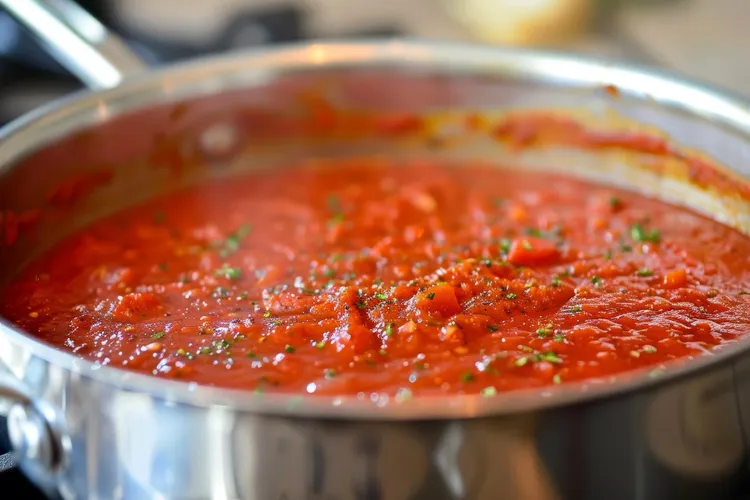
The core twelve are permanent. But a well-maintained pantry also cycles in seasonal additions that enhance specific periods of the year. Late summer: good canned tomatoes (San Marzano DOP) and a jar of anchovy fillets in oil - the base of any quick pasta sauce worth making. Autumn: dried porcini mushrooms (10g steeped in hot water for 20 minutes produces the richest vegetarian stock base available in pantry form) and a bottle of Sauternes or sweet wine for poaching autumn fruits. Winter: preserved vegetables - capers, giardiniera, good olives in brine - for cold-month cooking when fresh produce is uninspiring. Spring: nothing replaces fresh ingredients in spring, but a good white wine vinegar allows quick-pickling of radishes, spring onions, and asparagus trimmings that extend the season.
Pantry Auditing: When to Restock
A pantry degrades silently. Spices lose potency after 12-18 months. Oils turn rancid (taste slightly bitter or metallic - a common problem with cheap olive oil stored in clear bottles near heat). Vinegars mellow and lose acidity over years. The solution is a simple annual audit: open every jar, bottle, and packet, smell it, taste it, check the appearance. Anything that smells flat, off, or wrong gets replaced. The cost of maintaining a current pantry is lower than the cost of cooking with degraded ingredients across dozens of meals.
The test for olive oil freshness: taste it on a small piece of bread. Fresh extra virgin olive oil has a distinct peppery finish at the back of the throat (the phenolic compounds responsible are also the reason it's associated with health benefits). Flat, buttery, neutral-tasting olive oil is oxidised and past its best for finishing use. Fine for cooking; don't waste it as a finishing oil.
The pantry is the infrastructure of the cooking style described in the quiet luxury cooking guide. Technique matters more than ingredients, but the right ingredients make technique possible on any given night, without planning or shopping trips.
The Economics of the Pantry
The quiet luxury pantry is not expensive to maintain. The initial stock-up has a cost - buying twelve quality items at once represents perhaps $80-120 depending on where you shop. But the ongoing cost is low: most items last months, are purchased in small quantities, and replace themselves slowly as you use them. The return on that investment is substantial: every meal cooked from this pantry is better seasoned, more deeply flavoured, and more precisely composed than it would be without it.
The comparison to the alternative is instructive. Buying single-use specialty ingredients for individual recipes - a packet of za'atar for one dish, a bottle of fish sauce for one recipe, a small jar of capers that then sits in the fridge for eight months - is both more expensive over time and less useful, because those ingredients don't have the versatility that makes the core twelve earn their shelf space every week.
Quality over quantity is the principle. One excellent bottle of sherry vinegar used confidently across many dishes is more valuable than six mediocre condiments used occasionally. The quiet luxury approach to the pantry mirrors the approach to cooking: fewer things, better chosen, used with intention. For how the pantry connects to the broader cooking philosophy, the complete quiet luxury cooking guide sets out the full framework.
Latest