Garlic: Seed to Plate
A complete lifecycle guide to garlic, from fall planting through growing, harvesting, curing, storage, nutrition, food science, cooking methods, pairings, preservation, and recipes.
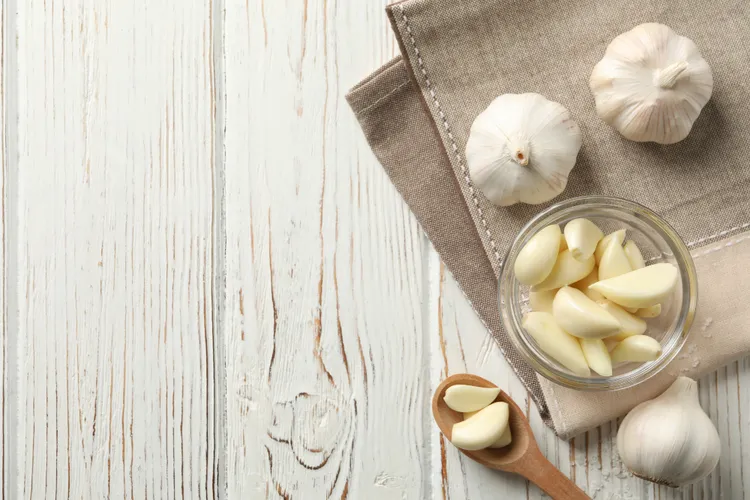
A single garlic clove, planted in fall and left mostly alone through winter, becomes a full head by the following summer. What happens between that clove and a jar of garlic confit on the shelf touches botany, chemistry, and a surprising amount of debate over whether raw or cooked garlic is actually better for you. This guide covers the full arc in order, with a dedicated deep-dive for each stage.
Planting: The Fall-Planting Exception
Garlic breaks the normal spring-planting rule that governs most vegetables. Most garlic is planted in fall, weeks before the ground freezes, and spends winter developing roots before sending up green shoots in spring. Our planting guide covers why fall planting produces larger heads than a spring-planted equivalent, plus how to choose between hardneck and softneck seed stock before you ever put a clove in the ground.
Growing: Hardneck vs. Softneck
The hardneck-softneck divide shapes almost every other decision in this guide, from how the plant grows to how long the final harvest stores. Our growing guide covers the practical differences between the two types, plus what scapes are and why removing them matters for hardneck varieties specifically.
Harvesting and Curing
Unlike most vegetables, a freshly dug garlic bulb isn't ready to use or store yet; it needs several weeks of curing first, a step skipped at real cost to shelf life. Our harvest and curing guide covers when to pull garlic from the ground and the curing process that determines how long it keeps afterward.
Storage: Braiding, Bins, and Realistic Timelines
Properly cured garlic stores for months without any special equipment, but softneck and hardneck varieties behave differently on the shelf, and a few common storage mistakes cut that window down considerably. Our storage guide covers braiding, bin storage, and what actually shortens garlic's shelf life.
Nutrition: What Allicin Actually Does
Garlic's headline health claims almost all trace back to allicin, a compound that doesn't exist in an intact clove at all and only forms once the clove is damaged. Our nutrition guide covers what allicin is, what happens to it during cooking, and what the research actually supports versus what's overstated.
The Food Science of Garlic
Why does the same garlic taste sharp and pungent raw, mellow and sweet roasted, and bitter if burned? The answer is enzyme chemistry that starts the moment a clove is cut or crushed. Our food science guide covers the mechanism behind garlic's most dramatic flavor transformation of any common ingredient.
Cooking Methods: Raw, Roasted, Confit, and Burnt
Few ingredients change as dramatically across cooking methods as garlic does. Our cooking methods guide covers raw, sautéed, roasted, and confit preparations, plus exactly why burnt garlic turns bitter and how to avoid it.
What Pairs With Garlic
Garlic shows up in more of the world's cuisines than almost any other single ingredient, which says something about how well it pairs with nearly everything. Our pairings guide covers the classic combinations and the reasoning behind why garlic works as a near-universal base note.
Preserving a Harvest
A productive garlic bed produces a full year's supply for most households in one harvest, but a fraction of that needs to move beyond simple curing to stay usable, especially anything peeled, chopped, or bound for oil. Our preservation guide covers freezing, oil safety, and drying into powder.
Recipes That Use What You've Grown
The entire lifecycle exists to support this final stage. Our recipe roundup links out to tested recipes organized by how much garlic you're working with and what form it's in.
Why Treat Garlic as a System
Most garlic content online answers one question at a time: how to grow it, whether raw garlic is healthier than cooked, or how to keep it from burning in a pan. Treating garlic as a single ingredient moving through ten connected stages surfaces the real connections between them, why fall planting sets up a bigger harvest, why curing determines storage life, why cooking method determines both flavor and nutrition. If you're planning meals around a real harvest, our meal prep planning tool can help build a week of dishes around what's ready, and our nutrition calculators can adjust figures for specific preparations.
Where to Start
If you're planting this fall, start with the planting guide and work forward. If you've got a braid of cured garlic already hanging in the kitchen, skip straight to cooking methods, pairings, or the recipe roundup. The ten guides below stand alone or work as a full sequence, whichever matches where you actually are.
A Realistic Timeline
Garlic's calendar looks different from nearly every other crop covered in this framework. Planting happens in fall, weeks before the ground freezes. The clove then sits mostly dormant through winter, developing roots but showing little visible activity above ground. Growth resumes in earliest spring, often before most other garden plants have started, and continues through late spring and early summer until leaf browning signals it's time to harvest, typically 8 to 9 months after planting. Curing then adds another 2 to 4 weeks before garlic is ready for long-term storage. In practical terms, a clove planted in October might not deliver a fully cured, storage-ready bulb until the following July, a longer single-crop cycle than almost anything else in a typical vegetable garden.
This extended timeline is worth planning around specifically, since it means garlic occupies its bed through an entire winter and much of the following growing season, a consideration when planning what else shares that space or follows it in rotation.
Regional Considerations
Cold-winter climates are, somewhat counterintuitively, well suited to garlic specifically because of the vernalization requirement covered in the planting guide; a reliably cold winter delivers the chilling period that triggers proper bulb formation without any extra effort. Milder, warmer-winter climates can still grow garlic successfully, particularly softneck varieties, which generally tolerate a shorter or less intense cold period than hardneck types, but may see smaller bulb formation without supplemental chilling of seed cloves before planting.
Humid regions face a different consideration during curing rather than growing: the multi-week curing process described in the harvest guide depends on consistent airflow and low humidity, which can be harder to achieve reliably in a naturally humid climate and may require a fan or a more deliberately ventilated curing space.
Garlic in a Small Space
Garlic's compact growing habit, upright rather than sprawling, makes it a reasonable crop even for a limited garden bed or a large container, provided the container offers enough depth (at least 8 to 10 inches / 20 to 25cm) for root development and the same well-draining soil conditions a garden bed would need. A container of a dozen or so cloves can meaningfully supplement kitchen use without requiring a dedicated garden plot at all.
Frequently Asked Questions
Is garlic difficult to grow compared to other common vegetables? Not particularly; garlic asks for less active management through its main growing season than many vegetables, since watering and weeding are the primary ongoing tasks. The main adjustment for new growers is the unusual fall-planting timeline and the patience required for a long growing season.
Can this framework apply to elephant garlic as well? Elephant garlic is botanically closer to a leek than to true garlic, and while it shares some surface similarities (bulb and clove structure, general planting timing), its flavor, growing habits, and storage behavior differ enough that this guide, written for true garlic, doesn't map onto it precisely.
What's the single most important stage in this entire framework? Curing is arguably the highest-leverage stage relative to effort involved, since skipping or rushing it can undermine months of otherwise successful growing by leaving the final harvest with a fraction of its potential storage life.
A Framework, Not a Recipe
As with the other ingredient guides in this series, nothing here needs following start to finish. A gardener with years of experience might skip directly to preservation and cooking methods; someone who just picked up a braid of garlic at a farmers market might start with storage and recipes and skip the growing stages entirely. Each of the ten linked guides works as a standalone reference as much as part of a sequence.
What Makes Garlic Worth This Level of Depth
Garlic's unusual fall-planting cycle, its months-long curing and storage window, and the genuinely dramatic flavor shifts it undergoes across different cooking methods make it a particularly good candidate for a full seed-to-plate treatment. Few other common ingredients change character this much depending on how they're cut and cooked, and understanding why makes every later stage in this guide, pairing, cooking, preserving, click into place with more clarity than a simple recipe list would provide on its own.
Getting Started This Season
If you're reading this ahead of a fall planting window, the most useful first step is simply confirming your local frost timing and marking a planting date a few weeks before the ground is expected to freeze. Everything else in this framework follows from that single starting point, one stage leading naturally into the next across the better part of a year.
Keeping the Whole Picture in View
It's easy to focus narrowly on any single stage, the perfect curing setup, or the ideal roasting technique, and lose sight of how the stages connect. Garlic grown well but cured poorly loses much of an entire season's effort in storage life. Garlic stored well but always burnt in the pan never delivers the flavor the earlier stages worked to develop. Keeping the full chain in mind is what actually delivers on a seed-to-plate approach.
Garlic's Place Within a Broader Vegetable Garden
Because garlic occupies its bed from fall through the following summer, it interacts with garden planning differently than a spring-planted, single-season crop does. Some gardeners interplant garlic with spring vegetables that finish before garlic's own harvest, or plan fall-planted garlic beds specifically around what needs to go into that same space the following autumn. Thinking about garlic as part of a full-year rotation, not an isolated planting decision, tends to make better use of limited garden space overall.
A Final Word Before Diving Into the Details
The ten guides that follow go deeper into every stage summarized above. Read them in order for the full arc, or jump straight to whichever stage matches your current situation, a bag of seed garlic waiting to go in the ground, a braid already hanging in the kitchen, or a recipe you're trying to get right tonight.
Whatever stage you're starting from, the goal of this framework is the same: a clearer, more connected understanding of a single ingredient that shows up in nearly every savory dish cooked at home, from the moment a clove goes into fall soil to the moment a finished dish reaches the table.
Consider this guide a map, and the ten linked stages the actual territory worth exploring in depth.
Read on for the full depth behind each stage of that map.
The specific numbers and timelines throughout will vary somewhat by climate and variety, but the overall sequence, plant, grow, harvest, cure, store, cook, holds true almost everywhere garlic is grown.
Latest









