Cold Brew Concentrate for Espresso Martinis and Coffee Cocktails
Using cold brew concentrate as a stable, consistent substitute for espresso in an espresso martini and other coffee cocktails.
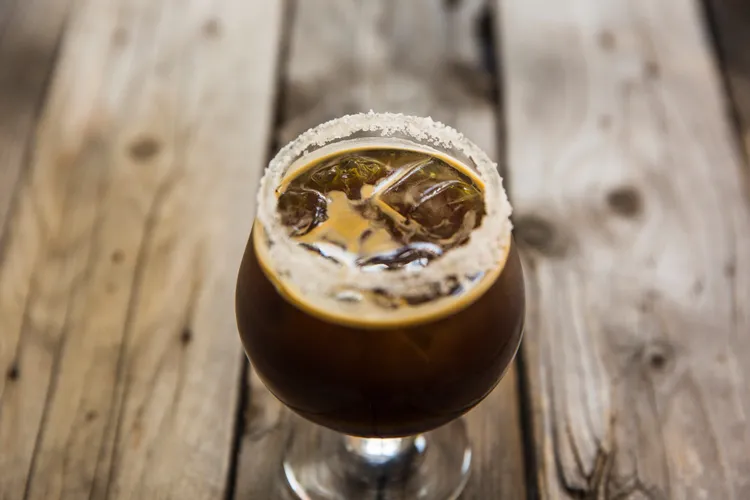
Espresso martinis and other coffee cocktails traditionally call for a fresh shot of espresso, which is genuinely tricky to work into a cocktail-making routine unless you already have an espresso machine set up and warmed up specifically for that purpose. Cold brew concentrate solves this problem cleanly - it's already made, already in the fridge, and its flavor is actually more consistent than a fresh espresso shot pulled under bar conditions.
Why Concentrate Works Better Than You'd Expect
An espresso martini's whole appeal rests on a strong, distinct coffee flavor cutting through the vodka and coffee liqueur, and cold brew concentrate delivers that just as effectively as espresso, with a smoother, less bitter edge given cold extraction's naturally lower acidity. It's also considerably more practical for home bartending: no machine to set up, no shot to pull to order, and a batch of concentrate in the fridge means you can make a round of drinks back-to-back without repeating any brewing steps mid-service.
Classic Espresso Martini, Made With Cold Brew Concentrate
Cold Brew Espresso Martini
Prep time: 5 minutes | Makes: 1 cocktail
Ingredients
- 2 oz vodka
- 1 oz cold brew concentrate (undiluted)
- 0.75 oz coffee liqueur
- 0.25 oz simple syrup (adjust to taste)
- Ice, for shaking
- A few coffee beans, for garnish
Instructions
- Add the vodka, cold brew concentrate, coffee liqueur, and simple syrup to a cocktail shaker filled with ice.
- Shake vigorously for about 15 seconds - longer and harder than you would for most cocktails, since the vigorous shake is what builds the foamy crema-like top that's part of an espresso martini's signature look.
- Strain into a chilled martini glass.
- Garnish with a few whole coffee beans placed on the foam.
Notes
Using undiluted concentrate rather than drinking-strength cold brew is important here - the drink needs that concentrated coffee punch to stand up to the vodka and liqueur, and diluted cold brew would taste watered-down in this context.
Why Undiluted Concentrate, Specifically
This is the one context in this entire guide where you want your cold brew concentrate completely undiluted rather than cut with water or milk. A cocktail's other ingredients (vodka, coffee liqueur, simple syrup) are themselves fairly potent and flavorful, and diluted cold brew simply doesn't have enough coffee character to hold its own against them. Keep a portion of your batch set aside undiluted specifically for cocktail use if you're used to diluting the rest for regular drinking.
Other Coffee Cocktails Using Cold Brew Concentrate
- Cold brew White Russian: Substitute an ounce of undiluted cold brew concentrate for part of the cream in a classic White Russian, for a coffee-forward variation on the original.
- Cold brew Irish coffee, cold version: Combine undiluted concentrate, Irish whiskey, a touch of simple syrup, and a float of lightly whipped cream over ice for a cold take on the traditional hot drink.
- Cold brew Negroni variation: A small amount of concentrate (a quarter ounce or so) added to a classic Negroni brings a subtle coffee note that pairs surprisingly well with Campari's bitterness, without overwhelming the drink's original character.
Batching Coffee Cocktails for a Group
Because concentrate keeps well in the fridge for 1 to 2 weeks (see our storage guide), it's genuinely practical to batch a full pitcher of espresso martini mix ahead of a gathering, combining the vodka, concentrate, coffee liqueur, and simple syrup in the correct ratio and keeping it chilled, then shaking individual servings with ice to order rather than mixing each drink completely from scratch. This is a meaningful time-saver if you're serving several people the same drink.
Adjusting Sweetness and Strength
Coffee liqueurs vary quite a bit in sweetness between brands, so taste your first cocktail and adjust the simple syrup up or down for future batches based on how sweet your specific liqueur already is. If you want a more pronounced coffee flavor relative to the alcohol, increase the concentrate slightly and reduce the vodka by the same amount, keeping the overall liquid volume roughly consistent.
Non-Alcoholic Coffee Mocktails Using the Same Approach
The same principle - using undiluted concentrate for a bold coffee punch - works well in non-alcoholic drinks too. A coffee mocktail combining undiluted concentrate, a splash of cream or a milk alternative, a touch of simple syrup, and a vigorous shake with ice produces a genuinely satisfying espresso-martini-adjacent drink without the alcohol, useful for entertaining guests who aren't drinking or for an occasional afternoon treat that isn't intended as a full cocktail.
Why Cold Brew Concentrate Beats Instant Espresso Powder for This
Instant espresso powder is a common substitute in cocktail recipes when a fresh shot isn't practical, but it tends to produce a flatter, more one-dimensional coffee flavor and can leave a slightly gritty texture if it doesn't fully dissolve. Cold brew concentrate avoids both issues - it's already a smooth liquid with no dissolving required, and its flavor, built through a genuine 12 to 24 hour extraction, is considerably more complex and rounded than a spray-dried powder reconstituted on the spot.
Stocking Your Bar With Concentrate in Mind
If coffee cocktails are becoming a regular part of your entertaining, it's worth keeping a small dedicated portion of your regular concentrate batch set aside, undiluted, specifically for this purpose, separate from what you're diluting for everyday drinking. This avoids the situation of reaching for your daily coffee supply and realizing there isn't quite enough left for a round of cocktails later that evening.
Pairing Bean Choice With Cocktail Use
If you know in advance that a portion of your batch is destined for cocktails, it's worth considering a bolder, darker roast for that specific purpose, since the more robust, chocolatey character of a darker roast tends to stand up especially well against strong spirits and liqueurs, more so than a milder medium roast might. This doesn't mean brewing an entirely separate batch is necessary, just that it's a factor worth keeping in mind if you're choosing beans with cocktails specifically in mind.
Garnish and Presentation Ideas
Beyond the classic coffee bean garnish, a light dusting of finely grated dark chocolate or a thin twist of orange peel over the foam adds a bit of visual interest and a complementary aroma to a coffee cocktail without overpowering the coffee itself. These small touches matter more for entertaining than for a quick solo drink, but they're an easy way to make a home-batched round of espresso martinis feel a bit more considered.
Timing Cocktail Prep Around Your Regular Brewing Schedule
If you know a gathering is coming up, it's worth timing your regular cold brew batch a day or two ahead specifically so you have a fresh, undiluted portion on hand rather than reaching for a batch that's nearing the end of its shelf life. A fresher batch of concentrate makes a genuinely better cocktail, with more of the coffee's original character intact, compared to one that's a week and a half old and has started to fade, even though the older batch would likely still be perfectly fine for a regular diluted morning cup.
A Note on Responsible Serving
Coffee cocktails combine caffeine and alcohol, both of which affect the body in different ways, and the caffeine can mask some of the perceived effects of the alcohol without actually reducing them. It's worth being mindful of this when serving these drinks, particularly in a batch setting where it's easy to lose track of exactly how much alcohol has gone into a shared pitcher, and pacing accordingly rather than assuming the coffee flavor means the drink is somehow lighter than a standard cocktail.
Building a Small Coffee Cocktail Menu Around One Batch of Concentrate
A single well-made batch of concentrate is versatile enough to build a small, varied menu for entertaining rather than committing to just one drink. Offering an espresso martini alongside a cold brew White Russian and a non-alcoholic coffee mocktail from the same base concentrate gives guests real choice without requiring you to prep multiple separate coffee bases, which is a meaningful time-saver if you're hosting and want variety without the extra workload.
Adjusting Recipes for Non-Vodka Spirits
While vodka is the traditional base for an espresso martini, undiluted cold brew concentrate pairs reasonably well with other spirits too if you want to experiment - a coffee flavored old fashioned using bourbon and a small amount of concentrate in place of some of the traditional sweetener, for instance, or a coffee-forward rum cocktail leaning into the natural affinity between coffee and darker spirits like rum or aged whiskey. These aren't traditional recipes, but the same basic principle, undiluted concentrate for maximum coffee character against a backdrop of other strong flavors, applies regardless of which spirit you're building around.
One More Practical Reminder
Keep a small portion of every batch set aside undiluted specifically for cocktail use - it's the single detail that separates a genuinely bold, well-balanced coffee cocktail from one that tastes thin and lost next to the vodka and liqueur, and it costs nothing extra beyond remembering not to dilute that portion along with the rest.
A Note on Using Leftover Concentrate Before It Fades
If you notice a batch of concentrate nearing the end of its typical shelf life and you're not planning to finish it as regular diluted coffee, using it for a round of cocktails is a genuinely good way to put it to use rather than letting it go to waste. The stronger flavors of vodka, coffee liqueur, and simple syrup in a cocktail are somewhat more forgiving of a concentrate that's a bit past its freshest peak than a plain black cup would be, since those other ingredients help mask any minor flavor fade.
Keep a portion of every batch undiluted specifically for cocktail use, reach for it the next time you're making an espresso martini or similar drink, and shake vigorously to build that signature foamy top. This one small habit, setting aside undiluted concentrate rather than reaching for your usual diluted supply, is the difference between a genuinely bold, well-balanced coffee cocktail and one that tastes thin next to the vodka and liqueur.
A Concluding Thought on Coffee's Range
It's worth stepping back and appreciating just how much range a single batch of well-made cold brew concentrate covers, from a straightforward morning cup diluted with water, to a milk-based afternoon drink, to an evening cocktail base, all from the same jar in your fridge. Few other kitchen staples pull this kind of triple duty so effortlessly, which is part of what makes the effort of dialing in a reliable concentrate routine pay off well beyond the obvious morning coffee use case.
A Concluding Thought on Coffee's Range
It's worth stepping back and appreciating just how much range a single batch of well-made cold brew concentrate covers, from a straightforward morning cup diluted with water, to a milk-based afternoon drink, to an evening cocktail base, all from the same jar sitting in your fridge. Few other kitchen staples pull this kind of triple duty so effortlessly, which is part of what makes the effort of dialing in a reliable concentrate routine pay off well beyond the obvious morning coffee use case, turning one weekly brewing session into a genuinely versatile foundation for the rest of your week.
Where This Fits In
Coffee cocktails are a fun, genuinely practical use for a well-stocked batch of cold brew concentrate, and they're one more reason keeping a reliable batch on hand in the fridge pays off beyond your morning coffee routine, extending the value of a single well-planned brewing session across an entire week of different uses, from a quiet solo morning cup to a lively evening spent entertaining friends and family. For the full concentrate-making process, see the complete cold brew concentrate guide. Once concentrate becomes a regular part of your kitchen, this kind of crossover use, from breakfast staple to evening cocktail ingredient, is one of the more pleasant surprises of having consistently good cold brew on hand, and it's worth remembering the next time a gathering comes up rather than defaulting to a store-bought coffee liqueur mix or espresso pulled under less-than-ideal bar conditions, since a well-made batch of your own concentrate will consistently outperform either of those shortcuts in flavor.
Latest