How to Store Garlic (Braiding, Bins, and Realistic Timelines)
Why the fridge is the wrong default for whole garlic, how to braid softneck varieties, and realistic storage timelines for hardneck versus softneck garlic.
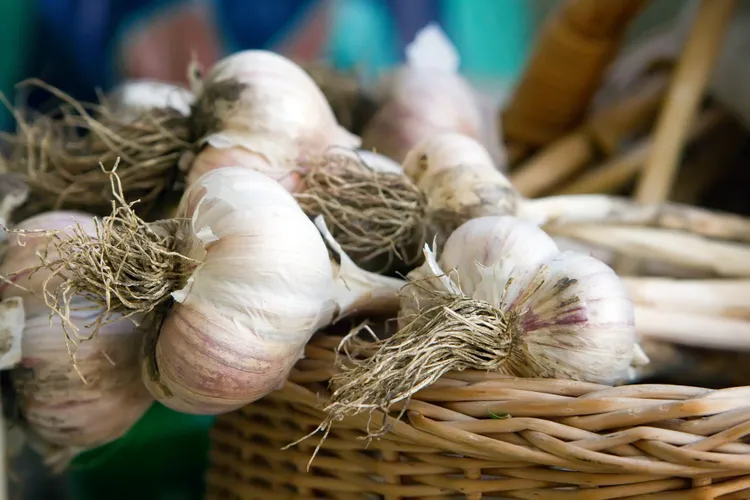
Properly cured garlic is one of the longest-keeping vegetables available without any special equipment, but a few storage mistakes, most of them involving moisture or premature refrigeration, can cut that window down considerably.
The Core Storage Principle: Cool, Dry, Dark, Ventilated
Cured garlic keeps best somewhere cool (60 to 65°F / 15 to 18°C is close to ideal, though normal room temperature works reasonably well too), dry, dark, and with some airflow around the bulbs. A pantry, cellar, or a mesh bag hung in a kitchen away from direct sun all satisfy these conditions reasonably well. What garlic specifically doesn't want is an airtight container, which traps moisture and accelerates spoilage even when the garlic went into storage properly cured and dry.
Why the Refrigerator Is the Wrong Default
Refrigerating whole, cured garlic bulbs is a common instinct that actually works against storage goals. Cold, humid refrigerator conditions encourage premature sprouting far more than cool, dry pantry storage does, and once a bulb sprouts, the cloves inside soften and lose quality quickly. Refrigeration is appropriate for peeled or chopped garlic, which is genuinely perishable once cut, but whole cured bulbs are better served by pantry-style storage than by the fridge.
Braiding Softneck Garlic
Softneck garlic's flexible stalks make traditional braiding possible, a storage method that's both practical and, done well, decorative enough to hang visibly in a kitchen. Braiding several bulbs together by their stalks while stalks are still pliable (shortly after curing, before they dry out completely) creates a compact, well-ventilated storage unit that also makes it easy to see and access individual bulbs as needed, rather than digging through a bin. Hardneck varieties, with their rigid central stalk, can't be braided this way and are better suited to loose storage or hanging in mesh bags instead.
Bin and Mesh Bag Storage
For hardneck garlic or any garlic not braided, mesh bags, open baskets, or shallow bins with some ventilation (holes drilled in a plastic bin, for instance) all work well. Avoid stacking bulbs too deep; airflow around each bulb matters more than it might seem, and bulbs buried at the bottom of a deep pile tend to soften and spoil faster than ones with more air exposure.
Realistic Storage Timelines by Type
- Hardneck garlic: Typically 4 to 6 months under good storage conditions, sometimes less if the growing season or curing process wasn't ideal.
- Softneck garlic: Typically 9 to 12 months, occasionally longer, which is the main practical reason softneck varieties dominate commercial garlic production and long-term home storage.
These are meaningful differences worth planning around: a household wanting garlic that lasts through an entire year is better served prioritizing softneck varieties for the bulk of their planting, reserving hardneck for earlier use given its shorter storage window.
Signs Garlic Has Gone Past Its Storage Window
- Sprouting green shoots inside a clove: Still usable, though flavor turns sharper and slightly bitter; removing the green sprout before use improves the result.
- Soft, mushy cloves: Past good quality; discard.
- Visible mold, especially at the base: Discard the affected bulb; check neighboring bulbs in the same storage container for early signs of spread.
- Dried out, shriveled cloves with no give at all: Overly dry from prolonged storage; still generally safe but noticeably diminished in flavor and moisture.
Storing Peeled or Chopped Garlic
Once a clove is peeled or cut, the storage rules change entirely. Peeled cloves keep refrigerated in an airtight container for about a week; chopped or minced garlic keeps a few days refrigerated before flavor and quality noticeably decline. For longer storage of prepared garlic, freezing or oil preservation are better options, covered in our preservation guide.
Frequently Asked Questions
Does storing garlic near onions or potatoes cause problems? Onions and garlic stored together generally cause few issues, but garlic stored near potatoes specifically can accelerate sprouting in both, since potatoes release moisture and ethylene gas that affects nearby produce. Separate storage is the safer default.
Can I store garlic in the freezer whole? Whole bulbs aren't typically frozen, since the texture change on thawing makes whole cloves mushy and unsuited to most uses. Peeled cloves or prepared garlic (minced, in oil, or as a paste) freeze considerably better, covered in the preservation guide.
How can I tell hardneck from softneck garlic if I bought it without a label? Look for a rigid central stalk running through the bulb; hardneck varieties retain a visible woody stem remnant at the center even after the leafy stalk is trimmed, while softneck bulbs lack this central structure entirely.
Is it normal for garlic to feel slightly different in texture as it ages in storage? Yes, garlic naturally loses a small amount of moisture over months of storage even under good conditions, resulting in slightly firmer, more concentrated cloves later in the storage window compared to freshly cured garlic. This is normal aging, not spoilage, as long as none of the spoilage signs above are present.
Comparing Storage Locations in a Typical Home
Not every home has a dedicated cool cellar or pantry, and most kitchens offer a workable alternative: a cupboard away from the stove and any other heat source, a countertop spot out of direct sun, or a mesh bag hung in a cool corner of a kitchen or adjacent room all function reasonably well. The specific location matters less than avoiding the two real problems, excess heat and excess humidity, both of which accelerate sprouting and spoilage regardless of where storage happens.
Braiding Technique in More Detail
Traditional garlic braiding uses three "strands," each typically made up of several bulbs' stalks woven together, similar in basic technique to braiding hair or bread dough, adding a new bulb's stalks into the braid every few inches as it's built. The technique takes some practice to get comfortable with, but even an imperfect first attempt still functions well for storage purposes even if it doesn't look as tidy as a braid from an experienced grower.
Rotating Stock as You Use It
For any bin, bag, or braid holding multiple bulbs, using older stock before newer stock (a simple first-in-first-out rotation) helps ensure garlic gets used within its realistic storage window rather than sitting untouched at the back of a container while newer bulbs get used first. This matters more with hardneck garlic's shorter storage window than with longer-keeping softneck, but is a reasonable habit for both.
What to Do With Garlic Nearing the End of Its Storage Window
Bulbs that are beginning to soften, sprout, or otherwise show early signs of declining quality, without yet being spoiled, are good candidates for prompt use rather than continued storage. This is also a reasonable trigger for moving toward one of the preservation methods covered in our preservation guide, extending usable life a bit further through freezing, drying, or another method rather than losing the remaining garlic to spoilage.
Frequently Asked Questions
Does the paper skin on garlic serve a real storage function, or is it just aesthetic? It's functional, not just aesthetic; the dry, papery outer skin is a genuine protective barrier against moisture loss and pest or pathogen entry, which is part of why removing it prematurely (peeling whole bulbs before they're actually needed) shortens storage life considerably compared to leaving the skin intact until use.
Can I store garlic in a paper bag? Yes, a paper bag with some ventilation (small holes, or simply left loosely folded rather than sealed) works reasonably well for short to medium-term storage, though a mesh bag or open container generally offers better airflow for longer storage periods.
Is it normal for stored garlic to lose some cloves to sprouting before others? Yes; individual cloves within the same bulb, and individual bulbs within the same storage batch, don't always sprout or decline at exactly the same rate, since minor variations in curing, clove size, and position within storage all play some role. This is normal variation rather than a sign of a systemic storage problem.
How does commercial garlic stay usable for so long on store shelves? Much commercially sold garlic, particularly softneck varieties, is treated with a sprout inhibitor and stored under controlled conditions specifically to extend shelf life well beyond what an untreated home harvest would achieve under simple pantry storage, part of why grocery store garlic isn't suitable as seed stock, as covered in the planting guide.
A Simple Storage Checklist
- Store whole, cured bulbs somewhere cool, dry, dark, and ventilated, not the fridge.
- Braid softneck varieties while stalks are still pliable, or use mesh bags for hardneck.
- Avoid airtight containers, which trap moisture.
- Use hardneck garlic within 4 to 6 months; softneck can stretch to 9 to 12 months.
- Refrigerate only once garlic is peeled or cut.
Storage as the Payoff for Everything Before It
Good storage is where all the earlier effort, choosing the right variety, planting at the right time, curing patiently, actually pays off in the form of usable garlic spread across many months rather than a harvest that declines quickly. Treating storage with the same care as the earlier stages, rather than as an afterthought, is what turns a single harvest into a genuine year-round kitchen staple.
Making the Storage Default Stick
For anyone used to refrigerating produce automatically, remembering that whole cured garlic belongs in a cool pantry rather than the fridge takes a little deliberate effort at first. A dedicated basket, bag, or braid, visually separate from the refrigerator, works better than trying to recall a rule case by case.
Storage Habits That Compound Over a Year
Because garlic's storage window stretches across many months rather than days, small habits, consistent airflow, avoiding airtight containers, rotating older stock first, compound noticeably over that extended timeframe. A household that applies these habits consistently gets meaningfully more usable garlic from a single harvest than one that stores inconsistently.
Storage Success as a Season-Long Reward
Unlike many kitchen habits that pay off immediately, good garlic storage rewards patience over months rather than days. A gardener who stores carefully in midsummer won't fully appreciate the payoff until pulling out a still-firm, flavorful bulb the following winter, long after the harvest itself has faded from memory, which is exactly the point of treating storage as seriously as every earlier stage in this framework.
Adjusting Storage Location Seasonally
A storage spot that works well in cooler months, a garage or unheated room, for instance, may become too warm during summer heat in some climates, worth monitoring and adjusting if a household notices garlic declining faster than expected during a particularly hot stretch. Moving storage to a cooler interior spot temporarily during extreme heat protects quality better than leaving garlic in a location that's drifted outside its ideal range.
Good garlic storage doesn't require any special equipment or technique, just a cool, dry, ventilated spot and the discipline to keep whole bulbs out of the refrigerator. It's one of the simplest habits in this entire framework relative to how much it improves the final result.
A little consistency here goes a long way, and the reward, reaching for a still-firm, flavorful bulb months after harvest, makes the small ongoing effort clearly worthwhile.
Consistency, more than any single clever storage trick, is what ultimately determines how well a season's harvest holds up.
Simple, repeatable habits beat clever one-off tricks nearly every time in this particular stage of the framework.
By the time a stored bulb finally makes its way into a dish months later, the small effort of good storage will have paid for itself many times over.
Even a modest home harvest, stored well, can genuinely carry a household most of the way to the following year's fresh crop.
A little discipline early pays dividends for months afterward.
Consider it one of the simplest, highest-return habits in this entire framework, requiring almost no cost beyond a bit of attention and the right spot in the kitchen.
Worth the small effort, every time.
A small, consistent habit, easy to keep.
Latest









