How to Preserve Garlic (Freezing, Oil Safety, Drying)
The real food safety rules around garlic stored in oil, plus freezing, dehydrating into powder, and fermenting as ways to extend a garlic harvest.
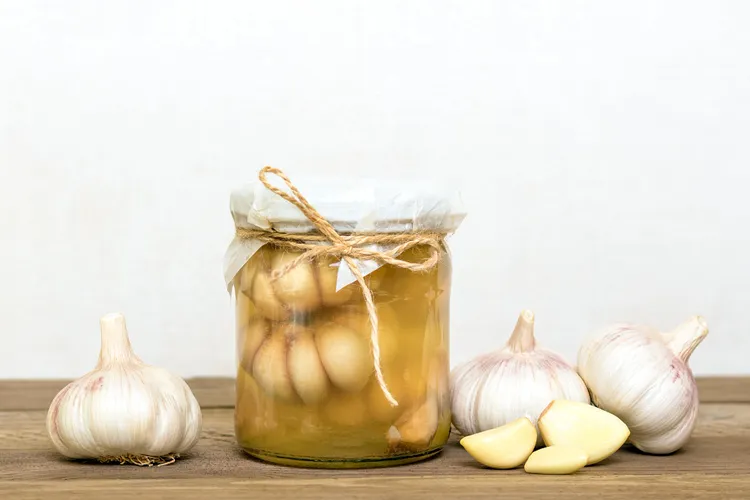
A well-tended garlic bed can produce a full year's supply for a household in a single harvest, but a meaningful share of that harvest, particularly anything peeled, chopped, or destined for oil, needs to move beyond basic curing and storage to stay safely usable.
Why Whole Cured Garlic Doesn't Need Much Extra Preservation
Properly cured, well-stored whole garlic, covered in our storage guide, already keeps for months without freezing, canning, or any other active preservation step. The preservation methods in this guide matter most for garlic that's already been processed, peeled, chopped, or combined with oil, all of which shorten shelf life considerably compared to an intact, cured bulb.
Freezing Garlic
Freezing is a low-effort option for garlic in nearly any form. Whole peeled cloves, minced garlic, or garlic paste (blended with a small amount of oil for easier portioning) all freeze reasonably well, though texture softens somewhat on thawing, which matters little for garlic destined for cooked dishes rather than raw use. Minced or pasted garlic frozen flat in a bag or portioned into an ice cube tray, then transferred to a freezer bag once solid, thaws quickly and allows using just the needed amount without defrosting an entire batch. Frozen garlic holds good quality for 6 to 12 months.
Garlic in Oil: A Genuine Food Safety Concern
Garlic stored in oil at room temperature carries a real and well-documented botulism risk, since garlic can carry Clostridium botulinum spores from the soil, and oil creates a low-oxygen environment in which those spores can potentially grow and produce toxin, particularly at room temperature over time. This isn't a theoretical concern; garlic-in-oil products have been directly linked to documented botulism cases historically, which is why commercial garlic-in-oil products include acidification or other safety measures that home preparations often skip.
The safe approach for homemade garlic in oil: refrigerate it always, never store at room temperature, and use within about a week for a fresh preparation, or follow a tested recipe that includes acidification (typically citric acid) if a longer shelf life is the goal. Garlic confit, made and used within a reasonable window and refrigerated between uses, follows this same safety logic, since the combination of refrigeration and relatively prompt use keeps risk low, even though the oil itself isn't acidified.
Drying Garlic Into Powder
Dehydrating thin-sliced or minced garlic, either in a dehydrator or a very low oven (around 125 to 140°F / 52 to 60°C) until fully dry and brittle, then grinding into powder, produces a shelf-stable seasoning that lasts many months at room temperature in an airtight container, away from light and moisture. Because garlic's flavor compounds shift substantially during dehydration, homemade garlic powder tastes noticeably different from fresh garlic, milder and slightly sweeter, closer to commercial garlic powder than to fresh cloves.
Fermenting Garlic
Whole peeled cloves submerged in a saltwater brine and left to ferment at room temperature for several weeks produce fermented garlic, tangy, complex, and, unlike oil-based preservation, generally considered a lower botulism risk since the fermentation process itself produces acids that inhibit dangerous bacterial growth over time. This is a more involved, longer-timeline preservation method than freezing or oiling, better suited to gardeners interested in fermentation as a technique generally rather than a quick, simple way to extend a harvest.
Garlic Confit as Preservation, Not Just Cooking
Beyond being a cooking method covered in our cooking methods guide, garlic confit functions as a genuine preservation technique: cooked cloves stored submerged in their cooking oil, refrigerated, keep for roughly 2 to 3 weeks, considerably longer than raw peeled cloves would last refrigerated on their own, while also being immediately ready to use without further cooking.
A Quick Reference by Goal
- Longest shelf-stable option, no refrigeration: Dehydrated into powder
- Ready-to-use, moderate shelf life, requires refrigeration: Confit or oil-preserved (always refrigerated)
- Bulk storage, minimal prep, long freezer life: Frozen, minced or pasted
- Interested in a more involved technique with real flavor payoff: Fermented
Frequently Asked Questions
Is store-bought minced garlic in oil safe, unlike homemade? Commercial garlic-in-oil products are formulated with acidification or other safety measures specifically to prevent botulism risk, following food safety regulations that a home kitchen typically doesn't replicate without a tested, acidified recipe. Store-bought and homemade garlic-in-oil aren't directly comparable from a safety standpoint.
Can I can garlic using a water-bath method? Garlic is a low-acid food and isn't safe for water-bath canning on its own; it requires pressure canning, or being combined into a properly acidified recipe (like a pickled garlic preparation with sufficient vinegar), to can safely. Plain garlic cloves in oil or water are not a safe water-bath canning project under any circumstances.
How do I know if garlic-in-oil has gone unsafe? This is precisely the danger: botulism doesn't reliably produce obvious spoilage signs like bad smell or visible mold before the toxin is present at unsafe levels. This is why following safe handling rules (refrigeration, limited storage time) matters more than trying to visually or olfactorily assess safety after the fact.
Does freezing garlic reduce its flavor compared to fresh? Frozen garlic retains most of its flavor compounds reasonably well, though texture softens on thawing. For any use where garlic will be cooked into a dish rather than used raw, frozen garlic performs very similarly to fresh.
Understanding the Actual Botulism Mechanism
Clostridium botulinum spores are commonly present in soil and can persist on unwashed or imperfectly cleaned garlic. These spores themselves aren't dangerous to consume; the risk arises specifically when spores find themselves in a low-oxygen, low-acid environment at a temperature that allows them to germinate and produce toxin, conditions that garlic submerged in room-temperature oil can create over time. Refrigeration slows this process dramatically, which is why refrigeration, not any visible sign of spoilage, is the actual safety control that matters most for homemade garlic-in-oil products.
Making Acidified Garlic-in-Oil Safely
For gardeners wanting a longer-lasting garlic-in-oil product beyond a week of refrigerated use, following a tested recipe that includes citric acid or vinegar to lower the mixture's pH addresses the safety concern directly, since the acidic environment prevents Clostridium botulinum from growing regardless of oxygen level or temperature. This is a meaningfully different, more involved process than simply covering garlic in oil, and it's worth following a specific tested recipe rather than improvising acid quantities.
Dehydrator Settings for Garlic Powder
Thin, even slices dry more reliably than thick chunks; a mandoline or careful knife work producing consistent 1/8-inch (3mm) slices dries in a more predictable timeframe than unevenly cut pieces. Most dehydrators run garlic at around 125 to 135°F (52 to 57°C) for 8 to 12 hours, though exact timing depends on slice thickness and the specific dehydrator's airflow.
Grinding and Storing Homemade Garlic Powder
Once fully dried and brittle (snapping rather than bending), garlic pieces grind readily in a spice grinder or high-powered blender into a fine powder. Store in an airtight container away from light and moisture; properly dried and stored garlic powder holds good flavor for 6 months to a year, though it will gradually lose potency over time similar to most dried spices.
Frequently Asked Challenges With Preservation
Garlic that wasn't fully cured before preservation attempts (frozen, oiled, or dried while still carrying excess internal moisture) tends to produce inferior results across every method, softer texture when frozen, higher spoilage risk when oiled, longer and less even drying when dehydrated. This is another reason the curing stage, covered earlier in this framework, matters even for garlic destined for further preservation rather than simple storage.
Frequently Asked Questions
Is pickled garlic safer than plain oil-preserved garlic? Yes, generally; pickled garlic, made with sufficient vinegar to properly acidify the mixture following a tested recipe, avoids the botulism concern that plain oil preservation carries, since the acid itself is the safety control rather than relying solely on refrigeration and limited storage time.
Can I preserve garlic scapes the same way as cloves? Scapes freeze and pickle well using similar principles to cloves, though their higher water content and different texture mean they're less suited to dehydrating into a powder compared to actual cloves.
How long does homemade garlic confit actually last if handled correctly? Refrigerated and kept fully submerged in its oil, homemade garlic confit reasonably keeps for 2 to 3 weeks; beyond that window, even with correct refrigeration, quality and safety margin both decline enough that using it up or discarding it is the safer choice.
Does freezing affect garlic's ability to form allicin later? Previously frozen and thawed garlic still undergoes some version of the alliin-alliinase reaction when cut, though ice crystal damage during freezing may have already partially disrupted cell structure, meaning frozen garlic often produces a somewhat milder result than fresh garlic prepared identically.
A Quick Reference by Goal
- Shelf-stable, no refrigeration: Dehydrated into powder.
- Ready-to-use, requires refrigeration always: Confit or oil-preserved.
- Bulk storage, long freezer life: Frozen, minced or pasted.
- Longer shelf life through acidification: Properly acidified pickled garlic.
Safety First, Convenience Second
Of every stage in this framework, preservation is the one where cutting corners carries genuine safety consequences rather than just a quality tradeoff. Following tested guidance on refrigeration and acidification, rather than improvising based on how a preparation looks or smells, is the difference between a genuinely safe homemade product and one that only appears safe.
Preservation as an Ongoing Skill
Like most kitchen techniques, home preservation improves with repetition. A first attempt at confit that takes longer than expected, or a first dehydrating batch that comes out slightly unevenly dried, is a normal part of learning the method rather than a sign it isn't worth continuing with in future seasons.
Preservation and the Rest of the Garden
Because garlic's own cured, whole-bulb storage already lasts many months, preservation methods here matter more for garlic that's already been processed than for the bulk of a fresh harvest. Reserving preservation efforts specifically for peeled, chopped, or otherwise processed garlic, rather than trying to preserve an entire whole-bulb harvest beyond what simple storage already achieves, is usually the more efficient use of time.
Balancing Convenience Against Effort
Not every household needs every preservation method covered in this guide. A household that cooks with garlic daily and moves through a harvest steadily may need little beyond good curing and storage; a household preparing large batches of sauce or infused oil in advance benefits more directly from freezing or a properly acidified oil preparation. Choosing preservation methods based on actual cooking habits, rather than preserving simply because a method exists, keeps the effort proportional to the real benefit.
Revisiting Preservation Choices Season to Season
A household's preservation needs can shift year to year based on harvest size, available freezer or fridge space, and how cooking habits evolve, making it worth revisiting which preservation methods actually get used regularly rather than defaulting to the same approach automatically every season regardless of whether it's still the best fit.
Preservation matters most for garlic that's already been processed, peeled, chopped, or turned into oil, since whole cured bulbs already keep for months without any extra step. Knowing the real food safety rules, particularly around oil, is what separates a genuinely safe homemade preserve from one that only looks safe.
Getting these safety fundamentals right the first time, rather than learning them after a problem occurs, is well worth the small amount of extra care involved.
With those fundamentals in place, preserving a garlic harvest becomes a genuinely low-risk, worthwhile way to extend the value of a single season's work.
Careful habits, applied consistently, are what make that extended value genuinely achievable.
A season's worth of careful preservation work often goes unnoticed until the exact moment it's needed, and unnoticed is, in this case, exactly the goal.
That quiet reliability is really the whole point of preserving a harvest in the first place.
Good habits, once established, rarely need to be reconsidered from scratch.
Once the safety fundamentals are second nature, preservation becomes just another normal part of managing a good harvest, nothing to overthink.
Latest









