How to Store Ginger (Fridge, Freezer, and Realistic Timelines)
Why ginger spoils two opposite ways, moisture loss and mold, and how counter, fridge, and freezer storage each perform for extending its shelf life.
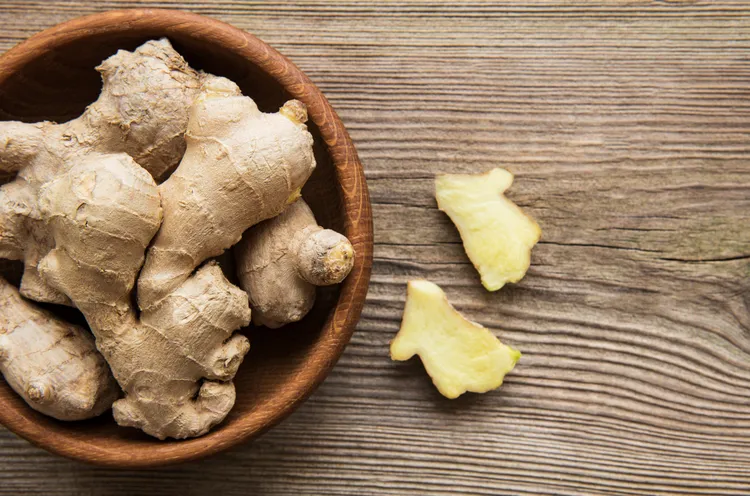
Fresh ginger occupies an odd middle ground in storage terms, unlike a leafy vegetable that wants humidity, and unlike a cured allium that wants to be bone dry. Get the balance wrong in either direction and ginger spoils, just via two completely different routes.
The Two Ways Ginger Spoils
Too little moisture and ginger shrivels, its fibrous flesh drying out and turning tough and stringy well before it's actually used up. Too much moisture, particularly standing water or a sealed, humid environment, and ginger molds, often starting from a cut or damaged surface and spreading through the rhizome's soft flesh surprisingly quickly. Good ginger storage threads a narrow path between these two failure modes rather than defaulting to either extreme.
Short-Term Counter Storage
Whole, unpeeled ginger keeps reasonably well at room temperature, out of direct sun, for about a week to 10 days before quality starts noticeably declining. This works fine for a household using ginger frequently enough to work through a hand within that window, but isn't a good option for longer storage of a larger harvest or bulk purchase.
Refrigerator Storage
Unlike some of the other ingredients in this framework where refrigeration is actively discouraged, ginger genuinely benefits from refrigeration for medium-term storage. Whole, unpeeled ginger wrapped loosely in a paper towel (to absorb excess moisture without fully drying the rhizome) and placed in a partially sealed bag or container in the crisper drawer typically keeps for 3 to 4 weeks, considerably longer than counter storage.
Freezer Storage: Genuinely the Best Long-Term Option
Whole ginger freezes exceptionally well, arguably better than most other fresh produce in this content series, since its fibrous texture means the freezing process doesn't create the same mushy texture change common in higher-water-content vegetables and fruit. Frozen whole, ginger keeps for many months, 6 to 12 months or longer, with minimal quality loss, and can be grated or sliced directly from frozen without needing to thaw first, a genuinely convenient property most other frozen produce doesn't share.
Peeling Before or After Storage
Ginger's skin, while thin, offers real protection against moisture loss and pathogen entry, similar in principle to the papery skin on garlic and onion covered elsewhere in this framework. Storing ginger unpeeled and peeling only the portion needed for a given use, rather than peeling an entire hand in advance, extends the storage life of whatever remains considerably compared to pre-peeled storage.
Storing Cut or Peeled Ginger
Once cut or peeled, ginger's storage window shortens substantially. Peeled or sliced ginger, refrigerated in an airtight container, keeps for about a week before quality declines noticeably. Submerging peeled ginger in a small container of dry sherry, vodka, or rice wine and refrigerating is a traditional method for extending cut ginger's life somewhat further while also imparting some of the ginger flavor into the liquid itself, later usable in cooking.
Signs Ginger Has Gone Past Its Storage Window
- Wrinkled, shriveled skin with a dry, spongy feel: Past peak from moisture loss; may still be usable for cooking if the interior is still firm, though flavor and texture have declined.
- Soft, mushy spots, especially near a cut surface: Early mold or rot; cut away and discard the affected area generously, or discard the whole piece if soft spots are extensive.
- Visible mold, especially blue-green or white fuzzy growth: Discard the affected piece; mold can extend further into the flesh than visible on the surface.
- Sprouting green shoots from an eye: Still usable for cooking, though the sprouting process draws on the rhizome's own stored energy and can leave the remaining flesh somewhat depleted in flavor and moisture.
Storing a Large Home Harvest
For anyone harvesting a meaningful quantity from a home garden all at once, rather than buying small amounts from a store repeatedly, splitting a harvest across storage methods, some in the fridge for near-term use, the bulk in the freezer for longer-term use, makes more sense than trying to store an entire harvest in a single method. Any portion not headed for freezing or short-term fridge storage is also a good candidate for the preservation methods covered in our preservation guide, which extend usable life even further in different forms.
Frequently Asked Questions
Does frozen ginger lose flavor compared to fresh? Frozen ginger retains the large majority of its flavor and pungency, with only a modest decline compared to fresh; for any cooked application, frozen ginger performs nearly identically to fresh, and even for raw uses, the difference is often difficult to detect.
Can I store ginger in oil like garlic? This isn't generally recommended without proper acidification, for the same botulism-risk reasons covered for garlic elsewhere in this framework; ginger, like garlic, can carry soil-borne Clostridium botulinum spores, and submerging it in untreated oil at room temperature carries a genuine safety risk.
Is it normal for ginger to develop a slightly different smell in storage over time? A mild mellowing of aroma over weeks of storage is normal and expected; a sharp, sour, or distinctly off smell, by contrast, signals spoilage and is a sign to discard the affected piece rather than normal aging.
Does young ginger store as well as mature ginger? No, young ginger's thinner skin and higher moisture content make it considerably more perishable than mature ginger; young ginger is best used, refrigerated briefly, or moved into a preservation method like pickling promptly rather than stored long-term the way mature ginger can be.
A Simple Storage Checklist
- Counter storage: about a week to 10 days for whole, unpeeled ginger.
- Fridge storage: 3 to 4 weeks, wrapped loosely in paper towel.
- Freezer storage: 6 to 12 months or more, whole or portioned, usable directly from frozen.
- Peel only what's needed for a given use, not the whole hand in advance.
- Move a large harvest toward preservation rather than relying on fridge storage alone.
Storage as the Payoff for a Long Growing Season
Given how long ginger takes to grow, good storage matters more than it might for a fast-turnaround crop; a harvest mishandled in storage wastes months of patient growing effort. Treating storage with real care, rather than as an afterthought once the more exciting harvest stage is complete, protects that investment.
Organizing Multiple Storage Batches
For a household splitting a harvest across fridge and freezer storage, labeling frozen portions with the date helps track roughly how long each batch has been stored, useful given freezer storage's long but not indefinite quality window.
Frequently Asked Questions
Does store-bought ginger follow the same storage rules as home-grown? Yes, the storage guidance in this guide applies equally to any fresh ginger regardless of source.
Can I store ginger alongside other root vegetables in the same location? Generally yes, ginger doesn't have the same ethylene-sensitivity concerns that make some produce pairings problematic, though keeping it in its own wrapped or contained portion within a shared storage space still helps track its specific condition.
Is there a risk of ginger absorbing odors from other foods in the fridge? Ginger's own strong aroma means it's more likely to impart flavor to neighboring foods than absorb odors itself, worth keeping in mind when storing it near delicate, easily-flavored foods like butter or dairy.
How can I tell if frozen ginger has degraded in quality over a long storage period? A loss of aroma intensity when grated, or the development of ice crystals and freezer-burn texture on the surface, are the main signs of quality decline in long-frozen ginger; neither typically makes it unsafe, just less flavorful than a fresher batch.
Adjusting Storage Location Seasonally
A refrigerator crisper drawer that works well through most of the year may need extra attention during a particularly humid stretch, when excess ambient moisture even within the fridge can accelerate mold risk on ginger stored there; checking stored ginger periodically rather than assuming a fixed storage window applies uniformly helps catch early spoilage before it spreads.
Storage Habits That Compound Over a Harvest's Full Usable Life
Because a single home harvest often needs to last many months given ginger's long growing cycle, small storage habits, proper wrapping, avoiding pre-peeling more than needed, checking periodically for early spoilage signs, compound meaningfully over that extended timeframe compared to a quickly-used grocery purchase.
Making the Storage Default Stick
For anyone used to treating all fresh produce the same way, remembering that ginger specifically benefits from refrigeration or freezing, unlike some other ingredients covered in this framework where the fridge is actively discouraged, takes a little deliberate attention at first. Keeping a designated spot in the crisper drawer or freezer specifically for ginger helps the habit stick.
Storage Success as a Season-Long Reward
Given ginger's long growing cycle, good storage rewards patience over many months rather than days. A gardener who stores carefully after a fall harvest won't fully appreciate the payoff until pulling out a still-flavorful piece the following spring or summer, long after the harvest itself has faded from memory.
Comparing Storage Locations in a Typical Home
Not every kitchen has abundant crisper drawer or freezer space, and prioritizing ginger within limited cold storage, given how well it freezes and how much flavor value a small amount delivers relative to its size, is generally a reasonable use of that limited space compared to bulkier produce with less concentrated flavor impact.
Making Storage a Genuinely Low-Effort Habit
Once a household settles into a routine, freezing the bulk of a harvest promptly, keeping a smaller working supply in the fridge, storage stops feeling like a chore and becomes simply how ginger is handled by default, no different from any other routine kitchen habit.
Good ginger storage doesn't require any special equipment beyond a fridge and freezer most households already have, just the right wrapping approach and the discipline to peel only what's needed for immediate use. It's one of the more accessible high-payoff habits in this entire framework.
By the time a stored piece finally makes its way into a dish months later, the small effort of good storage will have paid for itself many times over.
Revisiting Storage Method as a Harvest Is Used Down
As a stored batch of ginger gradually gets used up over the months following harvest, it's worth periodically checking remaining fridge-stored pieces for early spoilage signs and moving anything showing early decline into more immediate use or the freezer, rather than assuming the entire original storage plan will hold steady without any monitoring until the batch is fully used.
Simple, consistent habits, more than any single clever storage trick, are what ultimately determine how well a season's ginger harvest holds up across the many months before the next one arrives.
A little discipline early on pays dividends every time a still-firm piece gets pulled out for a dish months later.
One Last Practical Note
A simple written or digital note of roughly how much ginger went into storage and when helps a household gauge, partway through the year, whether the pace of use matches the available supply, useful for deciding whether to ration remaining ginger or use it more freely.
Tracking use against supply, even loosely, helps a household get the most out of a single harvest.
Worth the small ongoing attention it asks for.
Consistency beats cleverness here, every time.
Simple habits, applied without fail, protect the whole harvest.
Small effort, lasting reward.
For households juggling several preserved crops at once across this content series, garlic, tomatoes, ginger, keeping storage locations distinct and clearly labeled prevents the kind of mix-ups that become more likely once a pantry or freezer fills up with several different harvests at similar times of year.
Simple to maintain, easy to forget, and always worth the reminder.
Latest









