How to Preserve Ginger (Freezing, Pickling, Candying, Drying)
The genuinely distinct preservation paths for a ginger harvest, freezing, pickling into the classic condiment, candying, drying into powder, and making syrup.
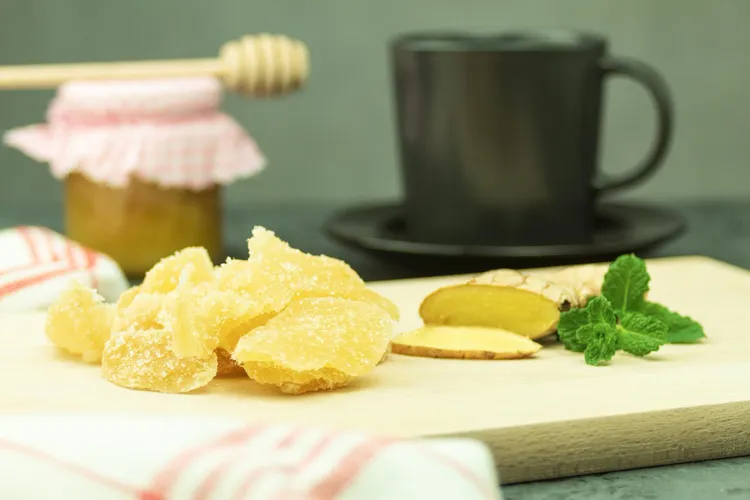
A home ginger harvest has more genuinely distinct preservation paths than most ingredients in this framework, and unlike simply extending shelf life, each method here produces a meaningfully different usable ingredient rather than just a longer-lasting version of fresh.
Freezing: The Simplest, Most Effective Option
As covered in our storage guide, whole ginger freezes exceptionally well and can be grated directly from frozen without thawing, making it arguably the single best default preservation method for anyone with more fresh ginger than they'll use within a few weeks. Peeled and portioned ginger, minced or grated into small portions and frozen flat in a bag or ice cube tray, offers similar benefits with even faster, more convenient access later.
Pickling: Traditional Pink Pickled Ginger
Thin-sliced young ginger, salted briefly then quick-pickled in a rice vinegar and sugar brine, produces the pale pink pickled ginger familiar as a sushi accompaniment. The characteristic pink color traditionally comes from natural pigments in young ginger itself reacting with the vinegar, though many modern versions add a small amount of beet juice or food coloring for a more consistent color when working with more mature rhizome that lacks the same natural pink tinge. Pickled this way, ginger keeps refrigerated for several months, considerably longer than fresh.
Candying (Crystallizing) Ginger
Simmering sliced mature ginger slowly in a sugar syrup until tender and translucent, then coating the pieces in sugar and drying them, produces candied ginger, both a genuine preservation method and a distinct finished ingredient in its own right, covered further in our cooking methods guide. Properly dried and stored in an airtight container, candied ginger keeps at room temperature for several months to a year.
Drying Into Powder
Thin-sliced ginger, dehydrated (in a dehydrator or a very low oven, similar to the process covered for garlic elsewhere in this framework) until fully dry and brittle, then ground into powder, produces homemade ground ginger. As covered in the food science guide, this drying process converts much of the gingerol into shogaol, meaning homemade ground ginger, like commercial ground ginger, tastes notably different, sharper and more concentrated, than fresh. Properly dried and stored away from light and moisture, ginger powder keeps for 6 months to a year.
Ginger Syrup
Simmering sliced fresh ginger in a sugar-water solution, then straining out the solids, produces a concentrated ginger syrup useful for beverages (a homemade ginger ale or ginger beer base), cocktails, or drizzling over desserts. Refrigerated in a sealed container, ginger syrup keeps for several weeks to a couple of months, and the leftover cooked ginger pieces from the syrup-making process can themselves be used similarly to candied ginger, a useful secondary product from the same batch.
Fermenting Into Ginger Bug
A "ginger bug," made by combining grated fresh ginger, sugar, and water and letting the mixture ferment at room temperature over several days, captures wild yeast and bacteria and produces a living, bubbly starter culture used to naturally carbonate homemade sodas, including ginger beer specifically. This is a more involved, technique-focused preservation method than the others covered here, better suited to a gardener specifically interested in fermentation as a broader technique rather than a quick, simple way to extend a harvest.
A Quick Reference by Goal
- Simplest, most flexible, best for cooking: Frozen whole or portioned
- Tangy condiment, traditional use: Pickled, ideally from young ginger
- Sweet treat and baking ingredient: Candied
- Shelf-stable pantry spice: Dried into powder
- Beverage and cocktail base: Ginger syrup
- Interested in a more involved fermentation project: Ginger bug
Frequently Asked Questions
Is homemade candied ginger as safe as commercial versions? Yes, properly made (fully cooked, adequately sugared, and thoroughly dried before storage) candied ginger carries no particular safety concern beyond standard food handling practice; the sugar concentration itself acts as a preservative once the pieces are properly dried.
Does pickled ginger need refrigeration? Yes, homemade pickled ginger should be refrigerated throughout its storage life; while the vinegar brine provides real preservation benefit, home pickling generally isn't processed for shelf-stable room-temperature storage the way commercial products might be.
Can I use the same ginger for multiple preservation methods from one harvest? Yes, and it's a reasonable approach for a larger harvest, splitting rhizome across freezing (for cooking use), pickling (for a condiment), and candying (for a sweet treat) captures ginger's range of uses better than committing an entire harvest to a single method.
How does homemade dried ginger powder compare to store-bought? Quality and flavor intensity depend heavily on how thoroughly and evenly the ginger was dried; a well-executed home batch can rival commercial ground ginger, though achieving fully consistent results takes some practice, similar to the learning curve covered for homemade garlic powder elsewhere in this framework.
A Quick Reference by Goal
- Simplest, most versatile: Frozen whole or portioned.
- Traditional tangy condiment: Pickled, ideally from young ginger.
- Sweet treat and baking mix-in: Candied.
- Shelf-stable pantry spice: Dried into powder.
- Beverage base: Ginger syrup.
Starting Simple Before Trying More Involved Methods
For anyone new to preserving a ginger harvest, freezing is by far the lowest-risk, lowest-effort starting point, no acidification, fermentation, or precise drying technique required. Pickling and candying are reasonable next steps once freezing feels routine, with drying into powder and ginger bug fermentation as more involved projects worth trying once the simpler methods are comfortable.
Preservation and the Length of Ginger's Growing Season
Given how long ginger takes to grow, a single harvest often needs to last a household a full year until the next crop is ready, making preservation more central to getting real value from home-grown ginger than it might be for a faster-turnaround crop harvested multiple times per season.
Frequently Asked Questions
Is pickled ginger safer than storing fresh ginger in oil? Yes; pickled ginger's vinegar acidity provides a genuine safety control against the same botulism risk covered for garlic-in-oil elsewhere in this framework, whereas ginger stored in untreated oil at room temperature carries that same real risk.
Can ginger syrup be canned for shelf-stable storage rather than refrigerated? Following a tested, properly processed canning recipe, ginger syrup can be water-bath canned safely given its high sugar content, though a home-refrigerated batch is simpler and sufficient for most households' realistic usage timeline.
How long does a ginger bug starter last once established? A well-maintained ginger bug, fed periodically with fresh ginger and sugar, can be kept going indefinitely, similar in concept to a sourdough starter, though it requires ongoing maintenance rather than being a one-time preservation project.
Does freezing affect ginger's zingibain enzyme activity? Freezing itself doesn't destroy the enzyme the way cooking heat does, though ice crystal formation during freezing may somewhat reduce its effectiveness compared to truly fresh, unfrozen ginger for marinade-tenderizing purposes specifically.
Balancing Convenience Against Effort
Not every household needs every preservation method covered in this guide. A household cooking with ginger regularly in savory dishes may need little beyond good freezer storage; a household that bakes often or enjoys homemade beverages benefits more directly from candying or making syrup. Choosing preservation methods based on actual habits, rather than preserving simply because a method exists, keeps effort proportional to real benefit.
Preservation and the Rest of a Home Harvest
Because ginger's growing season is so long, preservation methods here matter more for making a single harvest stretch across the better part of a year than they do for many faster-cycling crops elsewhere in this framework, where a new harvest might arrive again within weeks or months.
Preservation as an Ongoing Skill
Like most kitchen techniques, home preservation improves with repetition. A first attempt at pickling that turns out a bit too vinegary, or a first candying batch that's slightly under-dried, is a normal part of learning the method rather than a sign it isn't worth continuing with in future harvests.
Revisiting Preservation Choices Season to Season
A household's preservation needs can shift year to year based on harvest size and how cooking and baking habits evolve, worth revisiting which methods actually get used regularly rather than defaulting to the same approach automatically every season regardless of fit.
Labeling and Organizing Preserved Ginger
Once preservation efforts across a season add up, frozen portions, jars of pickled or candied ginger, and perhaps a bottle of syrup, keeping everything clearly labeled with contents and date prevents both waste and the mild frustration of discovering an unlabeled jar months later without a clear sense of how fresh it still is.
With the safety and technique fundamentals covered throughout this guide in place, preserving a ginger harvest across several distinct forms becomes a genuinely rewarding way to extend the value of a single, long growing season well into the following year.
Preservation is what makes a single, long-season ginger harvest genuinely useful across an entire year rather than just a few weeks of fresh use. Knowing the real safety considerations, particularly around oil storage, is what separates a genuinely safe homemade preserve from one that only looks safe.
Getting these fundamentals right the first time, rather than learning them after a spoiled batch or a safety concern, is well worth the small amount of extra care involved.
Choosing Preservation Methods Based on Kitchen Habits
A household that bakes frequently gets more real use from a jar of candied ginger than one that rarely bakes; a household that cooks a lot of East or Southeast Asian-inspired food gets more use from a steady freezer supply of grated or sliced fresh ginger. Matching preservation effort to genuine cooking habits, rather than preserving every form simply because a method exists, makes better use of both time and a limited harvest.
Revisiting a Preservation Plan Mid-Season
If a chosen preservation method isn't getting used as expected partway through a harvest's storage life, a jar of pickled ginger sitting untouched, for instance, it's reasonable to shift remaining fresh or frozen ginger toward a different, more genuinely useful method rather than continuing to commit to an approach that isn't fitting actual household habits.
With safety fundamentals and a realistic sense of household habits both in place, preserving a ginger harvest across several genuinely distinct forms becomes a low-risk, high-reward way to make a single long season's work last well into the next.
That extended value, a single harvest stretching to cover an entire year of cooking and baking, is really the whole point of learning to preserve it well.
Building Confidence Over Multiple Seasons
The first season of preserving a ginger harvest often involves some trial and error across the different methods covered in this guide; by the second or third season, most households have settled into a preservation routine that reliably fits their actual cooking and baking habits.
Routine, once established, makes the whole process easy.
Setting a calendar reminder to check on pickled or candied ginger batches periodically, rather than forgetting about them in the back of a fridge or pantry, ensures preserved batches actually get used within their realistic quality window rather than being preserved and then overlooked.
A little tracking goes a long way toward making sure preserved batches don't go to waste.
Simple systems prevent simple waste.
A well-organized preservation shelf, clearly labeled and genuinely reflecting what a household actually cooks, turns a single harvest into a resource that quietly supports meals all year long.
A little organization goes a long way toward year-round use.
Small systems, big payoff.
Compared to the preservation methods covered for other ingredients in this content series, garlic's oil-safety concerns, tomato's canning acidity rules, ginger's preservation paths are relatively low-risk and forgiving, making it a reasonable ingredient for a household to start building general preservation confidence with before tackling more safety-sensitive projects.
A solid place to start building broader preservation skill and confidence.
A modest first attempt at any one of these methods is enough to start, with more confidence and better results following naturally in the seasons after.
Worth it.
Latest









