Tarragon Roast Chicken with Lemon and Garlic
A whole roast chicken recipe built around a tarragon butter rubbed under the skin - simple technique, big flavor payoff for very little extra effort.
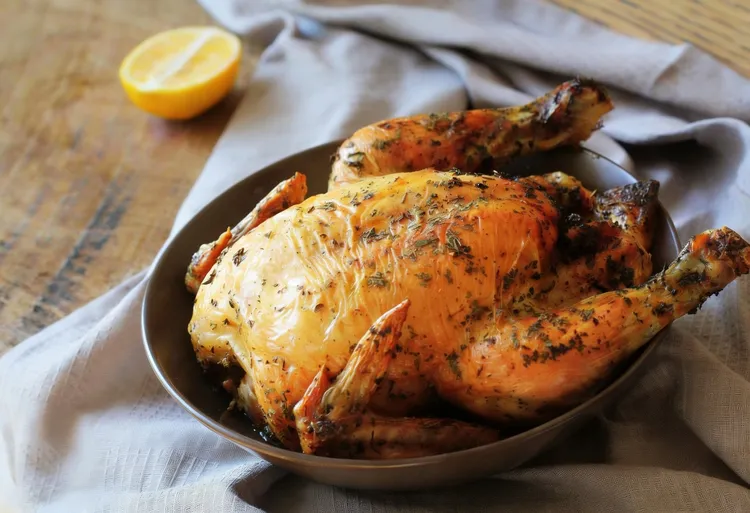
Rubbing compound butter under the skin of a whole chicken before roasting is one of the highest-return moves in home cooking - minimal extra effort for a dramatically better result. Tarragon is one of the best herbs for this because its flavor holds up through the full roasting time without disappearing the way more delicate herbs do.
Tarragon Roast Chicken with Lemon and Garlic
Prep time: 15 minutes | Cook time: 1 hour 15 minutes | Serves: 4
Ingredients
- 1 whole chicken, about 4 to 5 lbs
- 6 tbsp unsalted butter, softened
- 3 tbsp fresh tarragon, finely chopped, divided
- 3 garlic cloves, minced
- 1 lemon, zested and halved
- 2 tsp salt, divided, plus more to taste
- 1 tsp black pepper
- 1 small onion, quartered
- 1 cup chicken broth or white wine, for the pan
- 2 tbsp olive oil
Instructions
- Preheat the oven to 425°F (220°C). Pat the chicken completely dry with paper towels, inside and out - this matters more than most steps for getting crisp skin.
- In a small bowl, mash together the softened butter, 2 tablespoons of the tarragon, garlic, lemon zest, 1 teaspoon of salt, and the pepper until well combined.
- Gently loosen the skin over the breast and thighs with your fingers, being careful not to tear it. Push the tarragon butter under the skin, spreading it as evenly as you can with your fingers from the outside.
- Rub any remaining butter over the outside of the skin. Season the cavity with the remaining salt and stuff it with the lemon halves, the remaining tarragon, and the quartered onion.
- Tie the legs together with kitchen twine and tuck the wing tips under the body. Rub the outside skin with olive oil and season with a bit more salt.
- Place the chicken breast-side up in a roasting pan and pour the broth or wine into the bottom of the pan.
- Roast for 1 hour to 1 hour 15 minutes, until a thermometer inserted into the thickest part of the thigh reads 165°F (74°C). If the skin is browning too fast, loosely tent with foil.
- Let the chicken rest for 10 to 15 minutes before carving - this keeps the juices in the meat rather than on the cutting board.
Notes
The pan drippings, mixed with the broth or wine used underneath, make an excellent quick pan sauce - just strain and reduce slightly on the stovetop, whisking in a bit more butter at the end.
Why Butter Under the Skin Works
Putting the herb butter directly against the meat, under the skin, means the flavor bastes the chicken from the inside as it roasts, while the skin itself gets to crisp up separately with just a coating of oil. Rubbing herb butter only on top of the skin tends to burn the herbs and prevents good crisping.
What to Serve With It
This chicken pairs naturally with roasted potatoes cooked in the same pan drippings, a simple green salad dressed with tarragon vinaigrette to echo the flavor, or a side of tarragon potato salad if serving it cold or at room temperature for a summer meal.
Using the Leftovers
Leftover roast chicken from this recipe already carries a tarragon flavor, which makes it a natural fit for tarragon chicken salad the next day - you'll get a deeper, more developed tarragon flavor than starting from plain rotisserie chicken. The carcass also makes a good base for stock if you want to stretch the bird further, and any leftover herb butter can be frozen for the next time you cook chicken or fish.
For more on the herb behind this recipe, including how to keep a steady supply on hand, see the complete tarragon guide.
Latest