The Complete Tarragon Guide: Growing, Cooking, and Using It Like a Chef
Everything a home cook needs to know about tarragon - which variety to grow, how to keep a plant productive all season, and the recipes that put the herb to real use.
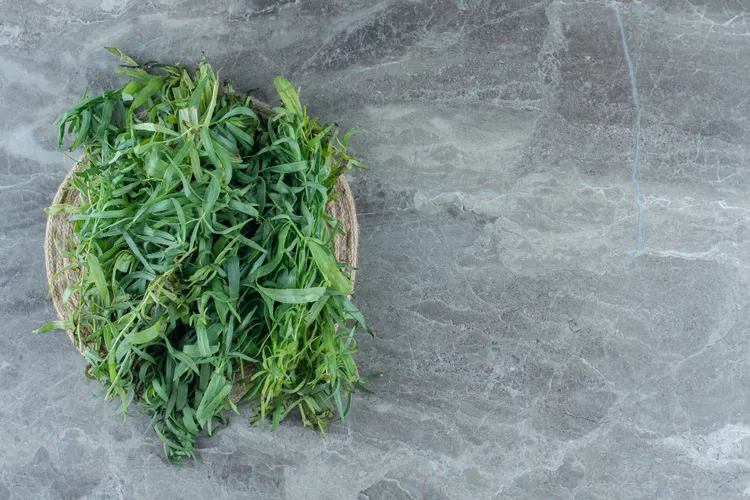
Tarragon is the herb most home cooks own for one recipe and then let sit in the fridge drawer until it goes limp. That's a shame, because it's one of the more versatile herbs in a French-leaning kitchen - it turns a pan sauce into something restaurant-grade, and it grows easily enough in a pot on a sunny step that you never have to buy the sad plastic-wrapped bunches again.
What Tarragon Actually Tastes Like
Tarragon has a flavor that's hard to place the first time you taste it - somewhere between anise, vanilla, and fresh-cut grass, with a faint pepperiness at the back. The dominant compound responsible for that anise note is estragole, the same aromatic compound found in basil and fennel, which is part of why tarragon pairs so naturally with fennel-forward dishes and why it can feel oddly familiar even to cooks who've never used it before.
It's assertive in a way basil or parsley aren't. A little goes further than people expect, which is exactly why so many home cooks either overdose a dish with it once and swear off it, or underuse it and wonder what the fuss is about. The right amount is usually less than instinct suggests - a tablespoon or two of finely chopped fresh tarragon is plenty for a dish serving four, and it's easier to add more at the end than to fix an overpowered pot of soup.
There are two tarragons sold in nurseries and grocery stores, and they are not interchangeable. French tarragon and Russian tarragon look almost identical but taste nothing alike - French has the true anise-sweet flavor classic French cooking relies on, while Russian tarragon is coarser, milder, and honestly not worth cooking with if you can get the French variety instead. If you're buying a plant to grow at home, this distinction matters more than almost anything else in this guide, and it's worth reading before you buy anything.
A Little Background
Tarragon has been part of European cooking for centuries, most closely associated with French cuisine, where it's treated as one of the essential herbs alongside parsley, chives, and chervil in the fines herbes blend that shows up in omelets, sauces, and soft cheeses. Its name comes from the French word "estragon," itself likely derived from an older word meaning "little dragon," possibly a reference to the plant's coiled, serpentine root system. Whatever the etymology, it's worth knowing that tarragon has never been a casual, everyday herb the way parsley is - it's always occupied a more specific, slightly more prized role in the kitchen, which is part of why it still feels a little special to cook with today.
Growing Tarragon at Home
Tarragon is a perennial that rewards a bit of neglect. It wants well-drained soil, at least six hours of sun, and infrequent watering - overwatering is the single most common way people kill it. A large pot on a patio or a sunny windowsill works as well as a garden bed, which makes it one of the more forgiving herbs for someone without much outdoor space, provided you get the watering habit right early on.
The catch is that French tarragon is almost always propagated from cuttings or root divisions rather than seed, since the seed sold commercially is usually the inferior Russian variety. This trips up a lot of first-time growers who buy a seed packet labeled simply "tarragon" without realizing what they're actually getting. Our full growing guide covers potting mix, sun requirements, and how to start a plant from a cutting if a friend has one to share, along with what to do if your plant is struggling.
Once established, tarragon needs regular harvesting to stay productive - cutting it back actually encourages bushier growth rather than damaging the plant, which surprises people used to treating herbs delicately. Our harvesting and pruning guide walks through when and how to cut so you get a full season of usable stems instead of one woody, flowerless plant by August. Left unharvested, tarragon flowers and turns noticeably more bitter, so regular cutting isn't just about yield - it directly affects flavor too.
Because tarragon dies back in winter in most climates and grows fastest in the warm months, you'll often end up with more than you can use fresh in the summer. Drying and freezing both work, though they change the flavor in different ways - dried tarragon loses a lot of its anise brightness, while frozen tarragon (especially frozen into butter or oil) holds onto it much better. The storage guide breaks down which method to use depending on what you're planning to cook, along with a method for infusing vinegar that turns a surplus harvest into a pantry staple that lasts for months.
If you're growing indoors, expect a bit more of a fight - tarragon's light requirement is higher than most windowsill herbs, and plants grown without enough direct sun tend to get leggy and thin rather than the compact, bushy growth you want. A south-facing window or a supplemental grow light makes a real difference here.
Cooking With Tarragon
Tarragon shows up constantly in French cooking because it pairs so well with the things a French kitchen leans on - eggs, butter, chicken, mustard, cream, and delicate fish. It's one of the four herbs in a classic fines herbes blend, and it's the defining flavor in béarnaise sauce, which is really just a warm butter emulsion that happens to taste like tarragon.
If you want to understand the sauce that built tarragon's reputation, start with our classic béarnaise sauce recipe. It's more forgiving than most cooks assume, and once you can make it reliably, a dozen other tarragon dishes make more sense because you understand the flavor at its most concentrated. Béarnaise is essentially tarragon distilled down to its purest form - once you know what that tastes like, you'll recognize the same character showing up more subtly in everything else on this list.
From there, tarragon works its way into simpler weeknight cooking. A tarragon chicken salad takes a basic mayo-based salad and gives it real character, and it's one of the easier places to start if you're new to cooking with the herb since the mild chicken base doesn't fight with it. A whole roast chicken rubbed with tarragon butter under the skin is one of the easiest ways to make a Tuesday dinner taste like a Sunday one - the technique of pushing compound butter under the skin before roasting is a genuinely high-return move for very little extra effort. And a tarragon mustard pan sauce takes the fond left over from searing chicken or fish and turns it into something worth mopping up with bread, all in under ten minutes using a pan you've already got dirty.
Tarragon also does a lot of work cold. A tarragon vinaigrette is one of the fastest ways to make a plain green salad interesting, and once you know the ratio, you can make it without measuring again. Tarragon compound butter is even more flexible - one batch made on a Sunday can dress steak, fish, roasted vegetables, or just toast for the rest of the week, and it freezes well enough that a single batch can realistically last a month of occasional use.
For something warmer, a bowl of creamy tarragon mushroom soup shows how well the herb pairs with earthy mushrooms and cream - the earthiness of the mushrooms and the brightness of the tarragon balance each other in a way that makes the soup taste more complex than the short ingredient list suggests. A tarragon potato salad is a genuine upgrade over the usual mayo-and-dill version, whether you make it creamy or with a lighter vinaigrette base, and it's a good dish for introducing tarragon to people who are skeptical of "fancy" herbs, since potato salad already feels familiar.
Even something as basic as eggs benefits - our guide to tarragon and eggs covers omelets, deviled eggs, and egg salad, three places where a little fresh tarragon changes a familiar dish without requiring a new technique. Eggs are actually one of the best possible starting points if you've never cooked with tarragon before, since the mild, fatty base lets the flavor come through clearly without much else competing for attention.
What to Pair With Tarragon
Once you've cooked with tarragon a handful of times, the instinct to reach for it becomes automatic in certain situations - anywhere there's butter, cream, mustard, chicken, eggs, mushrooms, or delicate white fish, tarragon usually fits. It also plays well with a short list of other herbs and aromatics, particularly chives, parsley, chervil, and shallot, though it can clash if you pile on too many strong flavors at once, especially herbs like rosemary or sage that have their own dominant character. Our pairing guide lays out what works together so you can start improvising instead of following recipes exactly, including a simple base formula (butter or cream, a mild protein or vegetable, shallot, a little acid, tarragon at the end) that underlies most of the dishes in this guide.
Common Mistakes to Avoid
A few missteps come up often enough with home cooks new to tarragon that they're worth calling out directly. First, using dried tarragon in a recipe built for fresh - the flavor difference is bigger with tarragon than with sturdier herbs like oregano or thyme, so a straight swap tends to leave a dish tasting flat. If dried is all you have, use about a third of the amount called for and add it earlier in cooking rather than at the end, since dried herbs need more time to rehydrate and release flavor.
Second, adding tarragon too early in a long-cooked dish. Its more delicate aromatic compounds break down with extended heat, so tarragon added at the start of a two-hour braise contributes very little flavor by the time the dish is done. Reserve at least some of the tarragon to stir in during the last few minutes of cooking, as most of the recipes in this guide do.
Third, growing the wrong variety without realizing it. If a homegrown tarragon plant tastes disappointingly mild or grassy rather than distinctly anise-forward, it's very likely Russian tarragon rather than French - see the variety comparison for how to tell them apart and what to do about it.
A Note on Buying Tarragon
If you're not growing your own yet, look for French tarragon at the grocery store rather than the dried jar labeled simply "tarragon," which is almost always the milder Russian variety or an old jar that's lost most of its flavor. Fresh bunches keep for about a week wrapped loosely in a damp paper towel in the crisper drawer - after that, freezing or infusing into butter is a better move than letting it wilt. Farmers markets are often a more reliable source of good fresh tarragon than a standard grocery store, particularly in late spring and summer when it's in season, and it's worth asking a vendor whether their tarragon is the French variety if it isn't labeled clearly.
Whether you end up growing a pot of it on a windowsill or just buying a fresh bunch when a recipe calls for it, tarragon is worth understanding properly rather than treating as an occasional garnish. It's a herb with a real identity, and once you know how to use it, it earns a permanent spot in the kitchen rotation rather than a one-off appearance in a single recipe.
Latest