Vegan Protein: How to Hit Your Numbers Without Meat
Getting enough protein on a vegan diet is straightforward when you know which plant foods actually deliver it. This guide covers the best sources by gram count, the meals that combine them efficiently, and the weekly eating pattern that makes it easy without tracking every bite.
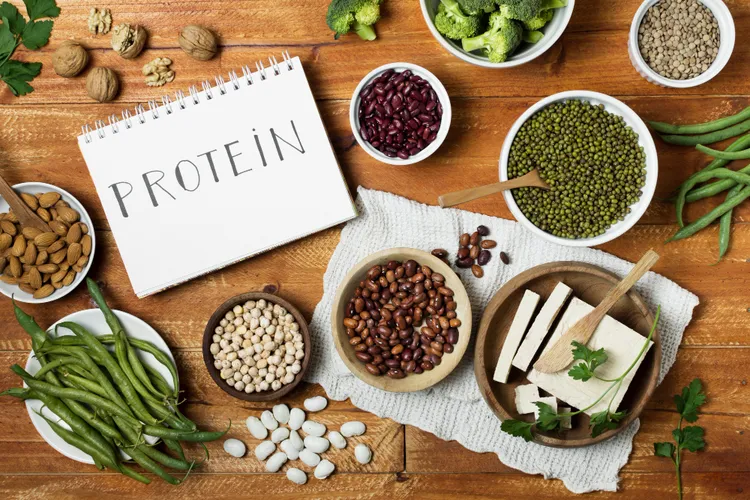
The average adult needs roughly 0.8-1g of protein per kilogram of body weight per day - higher if you're active, older, or trying to build muscle. On a vegan diet, that's entirely achievable, but it requires actually knowing your sources rather than assuming lentils and salad will cover it.
To know whether you're actually hitting your protein target on a vegan diet, run your numbers through these calculators - it takes two minutes and removes the guesswork.
The Best Vegan Protein Sources by Gram Count
Approximate values per 100g cooked weight:
- Seitan (wheat gluten) - 25g protein. The highest plant-based protein density. Not suitable for gluten-free or coeliac diets. Available in most health food stores, or make your own from vital wheat gluten.
- Tempeh - 19g protein. Fermented soy, firm texture, nutty flavour. Pan-fry in slices with tamari and garlic. Better flavour and higher protein than tofu.
- Firm tofu - 15g protein. Absorbs marinades well, versatile across cuisines. Press out the water before cooking for better texture. 170g serving = ~25g protein.
- Edamame - 11g protein. Frozen edamame (shelled) is one of the most cost-effective high-protein vegan foods. Add to stir-fries, salads, and grain bowls. ~$3-4 per 500g bag.
- Lentils - 9g protein per 100g cooked. Also high in iron and fibre. A bowl of slow-cooker red lentil soup delivers around 18g protein per large serving at roughly $1.50 per bowl.
- Chickpeas - 8-9g protein per 100g cooked. Tinned chickpeas are among the most versatile and affordable vegan proteins. Roast them for salad toppings, blend into hummus, or use in curries.
- Black beans and kidney beans - 8g protein per 100g cooked. High in fibre, good in Mexican-style dishes, soups, and salads.
- Quinoa - 4g protein per 100g cooked. Not a high-protein food on its own, but one of the few plant foods containing all nine essential amino acids. Use as a base, not a protein source.
Complete vs Incomplete Proteins
Most plant proteins are "incomplete" - they lack one or more essential amino acids. This doesn't matter meal by meal. It matters across the day. Eating a variety of protein sources (legumes + grains, soy + vegetables) provides all nine amino acids without needing to engineer specific combinations at each meal. The old "complementary protein" rule requiring beans and rice at the same meal has been revised - you just need variety throughout the day.
Complete plant proteins (all nine amino acids): quinoa, soy (tofu, tempeh, edamame), buckwheat, hemp seeds.
Practical High-Protein Vegan Meals
Tempeh Stir-Fry
Slice 200g tempeh, pan-fry in sesame oil with tamari, garlic, and ginger until browned. Serve over rice with steamed broccoli and edamame. ~38g protein, ~480 kcal. Prep time: 20 minutes. Tempeh refrigerates well for up to 5 days cooked.
Lentil Dal with Rice
Red lentils + coconut milk + tomatoes + spices. Make a large batch on Sunday. 300g portion = approximately 22g protein, 500 kcal. Freezes well. Cost: under $1.80 per serving. See the slow-cooker version at CookThisMuch.
Tofu Scramble Breakfast
Crumble 200g firm tofu into a pan with turmeric, black salt (for egg-like sulphur flavour if desired), nutritional yeast, and whatever vegetables you have. ~28g protein, 280 kcal. Quick, cheap, and genuinely filling. The plant-based protein guide on CookThisMuch covers more meal formats like this.
Chickpea and Spinach Curry
Two tins of chickpeas, one tin of tomatoes, one tin of coconut milk, spinach, and spices. 350g portion = approximately 20g protein, 450 kcal. Cost under $2 per serving. Batch-cook a double portion and freeze half.
High-Protein Grain Bowl
90g cooked quinoa + 100g firm tofu (pan-fried) + 80g edamame + roasted vegetables + tahini dressing. ~35g protein, ~540 kcal. The dressing (2 tbsp tahini + lemon + water) adds 6g protein on its own.
The B12 Issue
Vitamin B12 is produced by bacteria and is found reliably only in animal products or fortified foods. It's not present in meaningful amounts in any unfortified plant food, despite what some sources claim about spirulina or certain vegetables. Deficiency develops slowly - often over years - but causes irreversible neurological damage if left untreated. Supplement it, or rely on B12-fortified foods (plant milks, nutritional yeast, cereals) daily. This is the one nutritional point on a vegan diet that has no workaround from whole foods alone.
A Sample High-Protein Vegan Day
Breakfast: Tofu scramble with vegetables - 28g protein, 280 kcal
Lunch: Lentil soup with a slice of GF bread - 20g protein, 400 kcal
Dinner: Tempeh stir-fry with rice and edamame - 38g protein, 480 kcal
Snacks: 30g hemp seeds on a salad, 100g roasted chickpeas - 14g protein combined
Total: ~100g protein, ~1,450 kcal (add more grains or fats to hit your calorie target).
Meal Prep Notes
Tempeh, tofu, cooked lentils, and cooked chickpeas all refrigerate for 4-5 days. A Sunday batch cook covering one protein and one legume gives you the base for most of the week's meals. For a full framework see our special diet meal prep guide, and for the broader picture of plant-based eating strategies see the special diets hub.
Latest