Batch Cooking as Anxiety Management
For people managing anxiety, the daily decision overhead of feeding yourself is a genuine stressor. Batch cooking removes it - turning a recurring source of friction into something already handled.
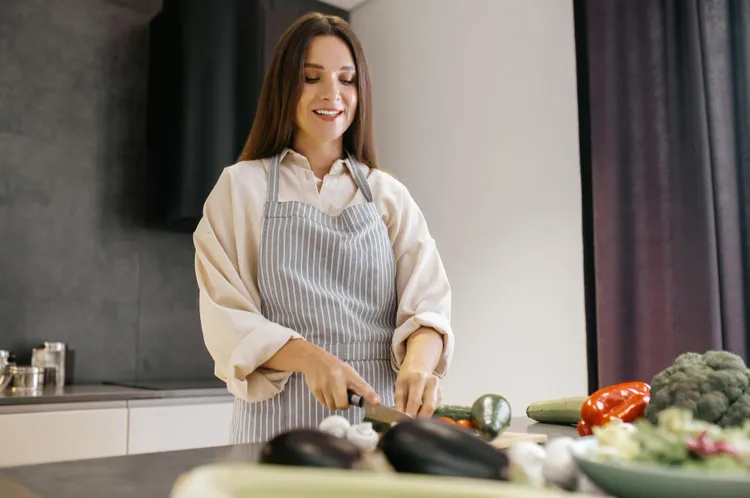
Anxiety is partly a disorder of anticipation - the brain overestimating threat and generating worry about things that have not happened yet. Meal decisions are a surprisingly fertile ground for this. What to eat, whether you have the ingredients, whether you have time to cook, whether you should just order something - these micro-worries are individually trivial and collectively exhausting, happening multiple times every day.
Batch cooking does not cure anxiety. But it reliably removes one of its daily triggers, and that is worth something.
The Anxiety Mechanics of Daily Cooking Decisions
Decision fatigue and anxiety share a mechanism: both deplete the cognitive resources needed for clear thinking and emotional regulation. Each "what should I eat?" decision is small, but it contributes to a cumulative daily load that leaves people more irritable, more reactive, and less able to manage larger stressors by the end of the day.
There is also anticipatory anxiety specifically around cooking: worrying about whether a dish will work, whether you will have enough time, whether you will forget an ingredient. For people with perfectionist or catastrophising tendencies, these low-stakes worries can spiral into genuine reluctance to cook at all - which leads to worse food choices, which worsens mood, which increases anxiety. A batch cooking practice short-circuits this loop early.
What Batch Cooking Actually Requires
The barrier to batch cooking is usually imagined to be higher than it actually is. The core version requires:
- One dedicated cooking session per week - typically sixty to ninety minutes
- A small set of reliable recipes you can make without consulting instructions
- Adequate storage containers (this is actually the main practical bottleneck)
The output: three to five days of lunches and/or dinners already handled. The daily question "what is for dinner?" is replaced by "which of the things already in the fridge do I want?" This is a much lower anxiety question.
The CookThisMuch batch cooking guide covers the mechanics in full - what freezes well, how to structure the session, which categories to prioritise.
Batch Cooking Recipes That Earn Their Place
The best batch cooking recipes are ones that taste as good (or better) on day three as on day one, require minimal reheating, and work across multiple meals with minimal modification.
- Slow-cooker red lentil soup - Set it and walk away. Makes six servings, deepens in flavour over days, reheats in three minutes. The slow cooker format is particularly useful for anxious cooks because there is almost nothing to monitor or get wrong.
- Leek, potato and lentil soup - Four to five servings of genuinely comforting food. The prep is meditative (leek cleaning, dicing) and the result is a meal that feels looked after.
- Pressure cooker chicken and rice - A complete protein-and-carbohydrate meal in one pot. Makes enough for three to four servings; portion and refrigerate immediately after cooling.
- Egg, spinach and bacon muffins - Batch-cook a full tray on Sunday. Breakfast or lunch handled for the week, no reheating required beyond a quick minute in a warm oven.
The Psychological Experience of Having Food Ready
There is a specific, low-key reassurance that comes from opening the fridge and seeing several days of food already prepared. It is the opposite of the mild dread of coming home to an empty fridge and an uncertain evening. This feeling is not incidental - it is the anxiety management mechanism at work.
People who batch cook consistently report that it changes their relationship with food from reactive to proactive: instead of food being something that happens to you, it is something you have already handled. That shift in agency - small as it is - has a real effect on the general background level of daily anxiety.
Starting Small
If a full batch cooking session feels overwhelming, start with one thing. Cook a pot of soup on Sunday. That is it. One thing in the fridge that is already handled. Build from there when it feels easy rather than effortful.
For the broader picture of how cooking supports mental health, see the complete guide to cooking as a mental health practice.
Latest