The Flexitarian Meal Plan: Less Meat, More Flavor, Better Macros
A practical guide to flexitarian eating for adults who want to reduce meat without losing protein, breaking the bank, or adopting a rigid dietary identity. Includes a 7-day meal plan with macros and links to every recipe.
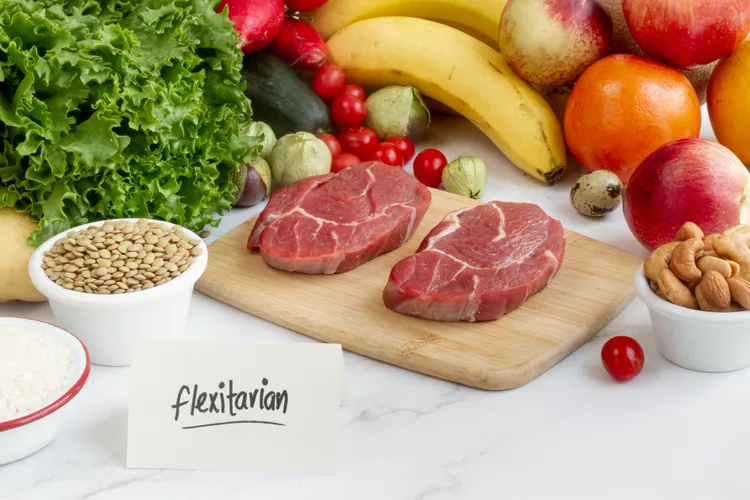
Flexitarian eating has a deceptively simple premise: eat mostly plants, keep some animal products, and stop treating meat as the mandatory centerpiece of every meal. No elimination. No ideology. Just a deliberate shift in the ratio of what ends up on the plate. It is the most popular dietary shift in 2025 for a reason - it is the one that most people can actually sustain.
The biggest practical concern people raise when cutting meat is protein. It is a legitimate concern, but it dissolves once you build meals around the right ingredients. Eggs deliver 6g per large egg. Lentils hit 18g per cooked cup. Greek yogurt clears 17g per cup. Cottage cheese sits at 14g per half cup. A flexitarian diet built on these foundations is not a low-protein diet. It is a different-protein diet, and for most adults, a cheaper one.
What Flexitarian Actually Means
The term was coined by dietitian Dawn Jackson Blatner in 2009. The core idea is a spectrum, not a fixed rule: most meals are plant-based or plant-forward, with meat appearing a few times a week rather than daily. Some people interpret this as one or two meat-free days per week. Others eat meat only on weekends. Others still use it to mean meals where meat is a flavoring rather than the protein anchor.
All of these are valid. Flexitarian has no gatekeeper. The version in this plan treats meat as optional rather than absent - it will appear occasionally, but the default for every meal is a plant or egg-based protein. For a fuller explanation of the framework, see the beginner's guide to what a flexitarian diet actually is.
The Protein Question, Answered
The standard recommendation for adults is 0.8g of protein per kilogram of body weight per day - about 56g for a 70kg person. Active adults benefit from 1.2-1.6g/kg. Plant and egg-based proteins can hit these targets comfortably. The key is building each meal around a protein anchor rather than assuming a meal is protein-covered because it contains vegetables.
The most reliable flexitarian protein anchors, with approximate grams per serving:
- Eggs (3 large): 18g protein, ~210 kcal
- Cooked lentils (1 cup): 18g protein, 230 kcal
- Cooked chickpeas (1 cup): 15g protein, 270 kcal
- Greek yogurt, full-fat (1 cup): 17g protein, 220 kcal
- Cottage cheese (half cup): 14g protein, 110 kcal
- Firm tofu (150g): 16g protein, 120 kcal
- Tempeh (100g): 19g protein, 195 kcal
- Edamame (1 cup): 17g protein, 189 kcal
- Black beans (1 cup): 15g protein, 227 kcal
A full guide to non-meat protein sources with preparation notes is in the article on flexitarian protein sources.
A 7-Day Flexitarian Meal Plan
The plan below targets 1,800-2,100 kcal per day with 80-100g of protein. Meat appears twice across the week. Batch-cook notes are included for each day where prep carries forward.
Monday - Meatless
Breakfast: Spinach, tomato and cottage cheese omelet - 3 eggs, half cup cottage cheese, a large handful of spinach. ~340 kcal, 28g protein.
Lunch: Slow-cooker red lentil soup with two slices of whole-grain bread. Start this Sunday evening and it is ready for Monday lunch. ~480 kcal, 22g protein.
Dinner: Chickpea and lentil patties with a lemon-dressed cabbage salad. Make a double batch - Wednesday dinner is covered. ~520 kcal, 24g protein.
Day totals: ~1,870 kcal, ~82g protein.
Tuesday - Meatless
Breakfast: Almond milk quinoa porridge topped with Greek yogurt and berries. ~380 kcal, 18g protein.
Lunch: Leftover red lentil soup from Monday. No prep required.
Dinner: Quick coconut curry lentils with greens over brown rice. ~550 kcal, 24g protein. This recipe is fast enough for a weeknight and the leftovers hold well.
Day totals: ~1,890 kcal, ~80g protein.
Wednesday - Meatless
Breakfast: Egg and cottage cheese omelet with whole-grain toast. ~390 kcal, 26g protein.
Lunch: Zesty black bean soup with lime and whole-grain crackers. Batch-cook this on Sunday alongside the lentil soup and lunches are covered through the week. ~450 kcal, 18g protein.
Dinner: Leftover chickpea and lentil patties from Monday with roasted zucchini fritters on the side. ~510 kcal, 22g protein.
Thursday - Meatless
Breakfast: Greek yogurt with granola, chia seeds, and sliced banana. ~360 kcal, 20g protein.
Lunch: Leftover coconut curry lentils over spinach, served cold as a grain bowl. ~490 kcal, 22g protein.
Dinner: Tofu stir-fry with broccoli, snap peas, and brown rice in a ginger-soy sauce. ~520 kcal, 24g protein. A detailed recipe and technique guide for making tofu worth eating is in the tofu and tempeh beginner's guide.
Friday - Fish
Breakfast: Egg, spinach and bacon muffins - the one meat appearance this week, and it is worth it. Make a batch of 12 on Sunday; two per morning covers the week. ~310 kcal, 22g protein.
Lunch: Leftover black bean soup with a side salad.
Dinner: Lemon-butter baked salmon with roasted asparagus and brown rice. Friday is a good day for a protein-rich, fast-cooking dinner. ~560 kcal, 38g protein.
Saturday - Meatless
Breakfast: Shakshuka - eggs poached in spiced tomato sauce with white beans stirred in. ~380 kcal, 24g protein. The full recipe and seven other ideas are in the flexitarian breakfast guide.
Lunch: White bean and tuna salad on whole-grain bread. ~420 kcal, 32g protein.
Dinner: Black bean and sweet potato tacos with avocado, lime, and a dollop of Greek yogurt instead of sour cream. ~530 kcal, 20g protein. These are a good candidate for the Meatless Monday rotation.
Sunday - Batch Cook Day
Breakfast: Overnight oats with chia, peanut butter, and banana. ~420 kcal, 16g protein.
Lunch: Grain bowl with farro, roasted vegetables, chickpeas, and tahini dressing. ~510 kcal, 18g protein. See flexitarian lunch ideas for the full formula.
Dinner: Balsamic chicken and mushrooms - the second meat meal of the week, and a batch-cook anchor. Cook double and use in wraps Monday. ~480 kcal, 36g protein.
Batch cook while making dinner: Slow-cooker red lentil soup, a pot of black bean soup, a grain base (farro or barley), and a tray of roasted vegetables. This covers Monday-Wednesday lunches and most of next week's dinners. Full plan in the flexitarian meal prep guide.
The Flexitarian Pantry
A flexitarian kitchen runs on a specific set of staples. With these in the cupboard, a protein-rich meatless meal is always 20 minutes away:
- Dried lentils (green and red) and tinned lentils for fast meals
- Tinned chickpeas and black beans
- Firm tofu and tempeh (both keep in the fridge for 1-2 weeks unopened)
- Eggs (a dozen lasts a week for most households)
- Greek yogurt and cottage cheese
- Whole grains: farro, barley, brown rice, rolled oats
- Frozen edamame and frozen peas
- Good olive oil, soy sauce, tahini, and a spice kit anchored by cumin, smoked paprika, and turmeric
For a deeper guide to building and using this pantry, see the article on flexitarian pantry staples.
How to Start Without Overhauling Everything
Most people try to make the change all at once and find it unsustainable. A more reliable approach is a gradual reduction over 4-6 weeks. Start by swapping one dinner per week. Add a second swap. Introduce new protein anchors slowly - one new legume dish in week one, tofu in week three once the legume meals feel normal.
The week-by-week reduction plan in the guide on how to reduce meat gradually walks through this in more detail. The goal is a new default, not a perfect record. A week where you eat meat four times instead of seven is a better outcome than a week where you fail to maintain an all-or-nothing rule and give up entirely.
Cost Per Meal
The financial case for flexitarian eating is straightforward. Lentils cost around 15-20p per 100g dried. Chickpeas run about 70p per tin. Eggs are approximately 20-25p each. A lentil-based dinner for two comes in at under £2. The equivalent chicken thigh dinner costs £3-5 depending on quality. Replacing three meat-based dinners per week with legume-based equivalents saves most households £15-25 per month at minimum.
For cost-per-serving analysis across the main flexitarian protein sources, see the article on flexitarian eating on a budget.
Common Pitfalls and How to Avoid Them
Three mistakes come up repeatedly when people start reducing meat:
Under-eating protein. This happens when someone removes meat without consciously adding a plant-based protein anchor. The result is a meal of vegetables and grains that leaves them hungry two hours later, reinforcing the belief that meatless eating is unsatisfying. The fix: every meal needs a deliberate protein anchor. If dinner is a pasta dish, add a tin of white beans to the sauce. If it is a grain bowl, add chickpeas, a boiled egg, or a scoop of cottage cheese. See the full guide on flexitarian protein sources.
Cooking the same three meals on repeat. Palate fatigue is real. If lentil soup is the only meatless recipe in rotation, it will become tedious within two weeks. Building a repertoire of at least six to eight comfortable meatless recipes before reducing meat significantly is the most reliable way to sustain the change. The cluster articles linked throughout this guide cover breakfast, lunch, dinner, and snacks - work through them gradually over the first month.
Treating tofu as the primary protein source before learning to cook it. Tofu cooked without pressing and at insufficient heat is genuinely unpleasant. People who have a bad first experience with tofu often conclude they dislike it when the real problem is technique. Start with legumes (lentils, chickpeas, beans) and introduce tofu once you have the basics of flexitarian cooking established. The full technique guide is in the tofu and tempeh beginner's guide.
Nutritional Considerations
A well-designed flexitarian diet is nutritionally complete. A few nutrients require attention when significantly reducing meat:
Iron. Red meat provides haem iron, which is absorbed more efficiently than the non-haem iron in plant foods. Eating vitamin C-rich foods alongside iron-rich plant foods (lentils, spinach, pumpkin seeds) increases non-haem iron absorption substantially. Avoid tea and coffee with or immediately after iron-rich meals, as the tannins inhibit absorption.
B12. Found almost exclusively in animal products. If meat consumption drops very low (fewer than 2-3 servings per week), a B12 supplement is worth considering. Eggs and dairy provide some B12, so most moderate flexitarians are not at risk, but it is worth monitoring.
Zinc. Present in legumes but in a form less bioavailable than from meat. Soaking dried legumes before cooking (and discarding the soaking water) reduces the phytates that inhibit zinc absorption. Most people eating a varied flexitarian diet with eggs and dairy do not need to supplement.
Protein, fiber, and most vitamins and minerals are generally higher in a well-constructed flexitarian diet than in a typical omnivore diet heavy in processed meat and refined carbohydrates.
Frequently Asked Questions
Does fish count as meat in a flexitarian diet? There is no universal rule. Most flexitarians treat fish as a separate category from red meat and poultry, eating it more freely. The environmental case for reducing beef and lamb is much stronger than the case for reducing fish (particularly oily fish like salmon, which has a substantially lower footprint than beef and strong nutritional benefits). The meal plan in this guide includes fish once a week for this reason.
How much protein do I actually need? The minimum recommendation is 0.8g per kilogram of body weight per day. For a 75kg adult, that is 60g. Most people benefit from more, particularly active adults (1.2-1.6g/kg), older adults managing muscle mass (1.2-1.4g/kg), and anyone managing their weight (higher protein supports satiety and muscle preservation during calorie restriction). The sample meal plan in this guide targets 80-100g, which covers most adults comfortably.
Will I feel full on a plant-based dinner? On a well-constructed one, yes. The three factors that drive satiety are protein, fiber, and food volume. A lentil-based meal with whole grains and vegetables delivers all three at comparable or superior levels to a meat-based meal of the same calories. The adjustment period - where plant-based meals feel less filling than meat-based ones - typically lasts 1-2 weeks and reflects habit more than physiology.
What about eating out? Most restaurants with any menu range have eggs, legumes, or dairy on offer. Middle Eastern, Indian, Italian, and Mexican cuisines are the most reliably flexitarian-friendly. At less flexible restaurants, the vegetarian option is usually the most relevant choice - or order a meat dish but consider it the week's meat allocation.
Next Steps
The full cluster of articles around this guide covers every practical aspect of flexitarian cooking:
- What is a flexitarian diet? - for anyone who wants more context on the framework
- Flexitarian protein sources - ranked guide with gram counts per serving
- Meatless Monday dinner ideas - seven specific weeknight recipes
- Flexitarian breakfast ideas - eight protein-forward morning meals
- Flexitarian meal prep - the full Sunday batch-cook plan
- How to reduce meat gradually - the four-week transition plan
- Flexitarian on a budget - cost-per-serving analysis
- Tofu and tempeh for beginners - technique guide with starter recipes
- Flexitarian pantry staples - the 12 ingredients to keep stocked
Latest