Best Cooking Methods for Garlic (Raw, Roasted, Confit, Burnt)
How raw, sautéed, roasted, confit, and fried garlic each develop different flavor, and exactly why burnt garlic turns bitter and how to avoid it.
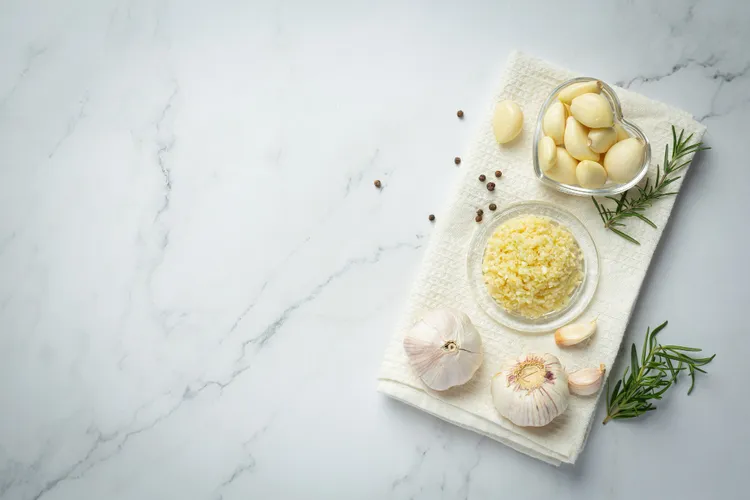
Few ingredients offer as wide a range of outcomes from the same starting material as garlic does. Choosing the right method starts with knowing what each one actually does to the clove's flavor compounds, covered in more depth in our food science guide, and applying that understanding practically in the kitchen.
Raw Garlic
Raw garlic delivers the sharpest, most assertive flavor and the highest allicin content, particularly if crushed or minced and rested briefly before use, as covered in our guide to how cutting method changes garlic flavor. Raw garlic works best in small quantities in dishes where its sharpness is meant to be a deliberate, present note: vinaigrettes, aioli, fresh salsas, and garlic bread spreads. Using raw garlic generously in a dish meant to be eaten shortly after preparation, rather than one that sits for hours, avoids the sharpness intensifying further as the dish sits.
Sautéing
Sautéing is the most common method and also the one with the narrowest margin for error, given how quickly garlic goes from perfectly golden to burnt in a hot pan. A few practical rules meaningfully improve results: add garlic to the pan after other aromatics like onion have already softened, since garlic needs far less time; keep heat at medium rather than high, giving more reaction time before scorching becomes a risk; and have the next ingredient (liquid, vegetables, or protein) ready to add the moment garlic turns fragrant and lightly golden, typically 30 seconds to 1 minute, stopping the cooking process before it can tip into burning.
Roasting
Roasting a whole head of garlic, top sliced off to expose the cloves, drizzled with oil, and wrapped in foil, then baked at 400°F (200°C) for 40 to 60 minutes, produces soft, spreadable, sweet cloves through slow sugar caramelization and Maillard browning, as covered in the food science guide. Roasted garlic can be squeezed directly from the skin and used as a spread, blended into mashed potatoes as in our Roasted Garlic Mashed Potatoes with Chives, or whisked into a dressing for a sweeter, mellower garlic presence than raw garlic would provide.
Confit
Garlic confit, whole peeled cloves cooked slowly and gently submerged in oil at a low temperature (roughly 200 to 225°F / 93 to 107°C) for an hour or more, produces a similarly sweet, soft result to roasting, with the added benefit of infusing the cooking oil itself with concentrated garlic flavor, useful afterward as a finishing oil or cooking fat. Confit avoids the scorching risk that dry-pan sautéing carries entirely, since the surrounding oil keeps the temperature well controlled and consistent throughout cooking.
Frying to a Crisp
Thin-sliced garlic fried in oil until golden and crisp, then removed before it darkens further, produces crispy garlic chips, a popular garnish across several Asian cuisines. The margin here is even narrower than standard sautéing, since thin slices have less mass to buffer against sudden overcooking; removing slices the moment they turn golden, rather than waiting for a deeper color, is the key technique, since carryover heat continues browning them even after they're out of the oil.
Using Garlic in Baked Goods
Garlic baked into bread, whether folded into dough or applied as a butter and herb topping, behaves differently than garlic cooked in a pan, since the surrounding dough moderates the direct heat exposure. Our Garlic and Cheese Baguette Bread and Garlic-Oregano Grilled Pita Bread both use this approach, minced or infused garlic combined with fat (butter or olive oil) and baked or grilled, producing a milder, more evenly distributed garlic flavor than a quick sauté would.
Finishing Dishes With Raw Garlic Over Cooked
Some dishes deliberately layer both raw and cooked garlic for contrast, a base of cooked, mellowed garlic built into a sauce, finished with a small amount of fresh raw or lightly cooked garlic stirred in near the end for a brighter, sharper top note. This combination technique produces more complexity than either raw or cooked garlic used alone throughout a dish.
A Quick Reference by Goal
- Want maximum sharpness and allicin: Raw, crushed or minced, rested 10 minutes before use
- Want a quick savory background note: Sautéed, added after other aromatics, watched closely
- Want a sweet, spreadable result: Roasted whole or made into confit
- Want a crunchy garnish: Thin-sliced and fried until just golden
- Want mild, evenly distributed flavor throughout a baked item: Mixed into dough or a butter topping before baking
Frequently Asked Questions
What's the most common mistake when sautéing garlic? Adding it to the pan too early alongside onions or other aromatics that need longer cooking time, which leaves garlic exposed to heat far longer than it can tolerate before burning.
Can burnt garlic be salvaged in a dish? Rarely fully; bitterness from scorched garlic tends to spread through whatever it's cooked with. The more reliable fix is starting the dish over with fresh garlic rather than trying to mask the bitterness with other ingredients.
Is there a difference between garlic roasted whole versus roasted as separated cloves? Whole heads retain more moisture during roasting due to the surrounding skin and structure, generally producing a softer, creamier result than individual peeled cloves roasted separately, which can dry out more at the edges.
How much garlic is typical for a home-cooked dish? This varies enormously by cuisine and personal preference, anywhere from a single clove in a subtle dish to a full head or more in a garlic-forward preparation. There's no fixed standard; taste and adjust based on the specific dish and cooking method being used.
Blanching Garlic to Mellow It Before Use
Briefly blanching whole peeled cloves in boiling water for a minute or two before using them raw or lightly cooked mellows some of garlic's sharpest edge without fully committing to a long roast or confit, a useful middle-ground technique for dishes wanting a gentler garlic presence than raw but more directness than a fully roasted preparation would provide.
Garlic in Pressure Cooking and Braising
Garlic added early to a long braise or pressure-cooked dish undergoes an extended version of the same heat-driven mellowing covered in the food science guide, often becoming soft enough to dissolve almost entirely into the surrounding liquid by the end of cooking, contributing background depth rather than remaining as a distinct textural element the way a quickly sautéed clove would.
Using Garlic to Flavor Oil Without Cooking the Cloves Through
A technique distinct from confit: warming oil gently with smashed garlic cloves just until fragrant, then removing the cloves before they brown significantly, produces a garlic-infused oil with a lighter, fresher character than a fully cooked confit oil, useful as a finishing oil or salad dressing base where a lighter garlic presence is the goal.
Adjusting Method for Dish Timing
A dish that will be reheated or held for a while, like a stew or braise, tolerates and often benefits from garlic added earlier and cooked longer, since the mellowing process has more time to fully develop. A dish meant to be eaten immediately, like a quick stir-fry or fresh salsa, benefits from garlic added at the appropriate late stage specifically to preserve more of its sharper, fresher character rather than fully mellowing it before serving.
Frequently Asked Questions
Can garlic be microwaved safely as a quick alternative to roasting? A whole head can be softened somewhat in a microwave with added moisture and a covered dish, though the result lacks the caramelization and deep flavor development a true oven roast produces, since microwaving doesn't reach the same sustained high, dry heat needed for Maillard browning.
Is there a risk to eating garlic completely raw and unheated regularly? For most people, regular raw garlic consumption in normal culinary quantities carries no particular risk beyond potential digestive discomfort in sensitive individuals or interaction with blood-thinning medication, covered in the nutrition guide.
Does the type of pan matter for sautéing garlic? A pan that heats evenly, without hot spots, reduces the risk of one section of minced garlic scorching before the rest has cooked through; heavier-bottomed pans generally offer more even heat distribution than thin, lightweight pans for this reason.
How do professional kitchens avoid burning garlic at high volume? Many professional techniques rely on infusing garlic into oil at a controlled temperature (similar to the confit approach) rather than direct high-heat sautéing repeatedly throughout service, precisely because it removes the narrow timing margin that direct sautéing requires under busy, high-volume conditions.
A Quick Reference by Technique
- Raw: Sharpest flavor, highest allicin, best in small amounts in uncooked dishes.
- Sautéed: Quick savory base, narrow timing window before burning.
- Roasted: Sweet, spreadable, no burning risk, takes 40 to 60 minutes.
- Confit: Similar result to roasting, plus a flavored oil byproduct.
- Fried thin slices: Crisp garnish, very narrow timing window.
Building Comfort With Garlic Over Time
Like most kitchen skills, judging garlic's doneness by sight and smell rather than a fixed timer improves with repetition. A cook who's burnt garlic once or twice tends to develop a much sharper instinct for pulling it from heat at the right moment than one working purely from a recipe's stated cooking time.
Matching Effort to Occasion
Not every meal calls for the most involved method available. A quick weeknight dish is a reasonable place for a fast sauté or raw preparation; a weekend with more time available suits a slow roast or confit that benefits from an hour or more of largely hands-off cooking. Matching method to the time actually available produces a more sustainable overall approach.
Combining Methods Within a Single Dish
Some of the most complex garlic-forward dishes combine more than one method deliberately, a base of roasted or confit garlic for sweetness and depth, finished with a small amount of fresh raw or quickly sautéed garlic for a brighter top note. Understanding what each method individually contributes, covered throughout this guide, makes combining them intentional rather than accidental.
Learning Multiple Methods Rather Than Relying on One
A cook who only ever sautés garlic misses out on the sweeter, more mellow character roasting and confit can offer, just as a cook who only ever roasts garlic misses the sharp, direct punch raw garlic provides in the right dish. Building comfort across several methods, rather than defaulting to a single familiar technique regardless of what a dish actually calls for, is what unlocks garlic's full range as an ingredient.
Teaching Garlic Technique to a Less Experienced Cook
For anyone teaching a beginner cook, starting with roasting is often the most forgiving entry point, since its wide margin for error and dramatic, easily-noticed flavor payoff build confidence before moving on to the much narrower timing window that sautéing demands.
Method Selection
There's no universally best way to cook garlic, only the best method for a specific dish, and building comfort across the full range covered in this guide, raw, sautéed, roasted, confit, and fried, gives far more flexibility than mastering just one technique ever could.
Over time, this range of technique becomes an intuitive toolkit, reached for automatically based on what a specific dish actually needs rather than habit alone.
That range of technique, more than any single perfect method, is what makes garlic such a rewarding ingredient to keep learning from over time.
Confidence built through practice, more than any shortcut, is what ultimately makes the difference.
Versatility
Few ingredients reward a cook's growing skill as visibly as garlic does; the gap between a beginner's inconsistent results and an experienced cook's reliably well-timed, well-judged garlic across every method covered here is one of the more satisfying kinds of kitchen progress to notice over time.
That progress, more than any single technique mastered in isolation, is what real cooking skill with this ingredient looks like over time.
Small, deliberate practice adds up faster than it might seem at first.
Small mistakes along the way are simply part of building that instinct, not a sign anything has gone fundamentally wrong.
Practice makes it second nature.
Worth the attention it asks for.
Latest









