Best Cooking Methods for Tomatoes (Raw, Roasted, Sautéed, Slow-Cooked)
How to match tomato variety to cooking method, and what raw, roasted, sautéed, slow-simmered, and baked preparations each do to flavor and texture.
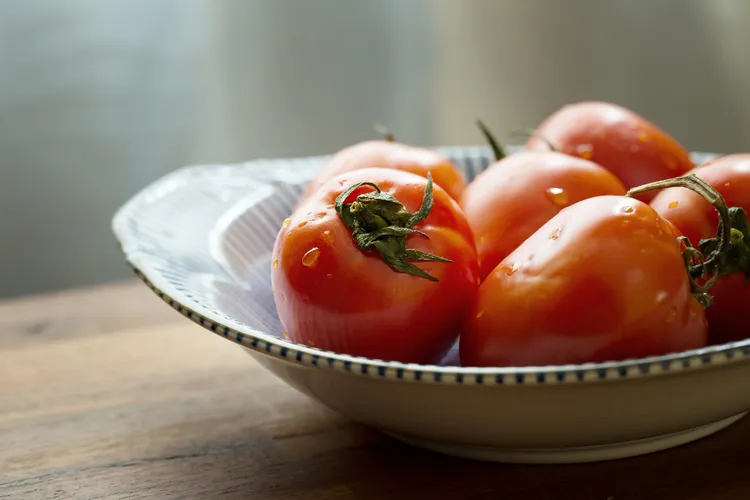
The single biggest variable in how a tomato dish turns out often isn't technique, it's which tomato you started with. Matching variety to method solves more problems than any amount of technique refinement on the wrong tomato.
Matching Variety to Method
- Paste/plum tomatoes (Roma, San Marzano): Dense flesh, fewer seeds, less water. Best for sauces, canning, and slow-cooked dishes where you want body without excessive reduction time.
- Slicing/beefsteak tomatoes: High water content, large size, mild flavor. Best raw, in sandwiches and salads, where their juiciness is an asset rather than something to cook off.
- Cherry and grape tomatoes: High sugar concentration relative to size, thin skins. Excel roasted or sautéed, where their small size means fast, even cooking and concentrated sweetness.
- Heirloom varieties: Variable water content and texture depending on type; generally best showcased raw or lightly cooked to preserve the specific flavor profile that makes the variety worth growing in the first place.
Raw Preparations
Raw is the only preparation that preserves a tomato's full vitamin C content and doesn't require any water loss to concentrate flavor, since a well-chosen ripe tomato already has the acid-sugar balance you're looking for. This is where variety selection matters most: a watery, underripe tomato eaten raw tastes thin and disappointing in a way no seasoning fully fixes, while a properly ripe slicing or heirloom tomato needs almost nothing beyond salt.
Salting sliced raw tomato and letting it sit for 10 to 15 minutes draws out some water via osmosis, concentrating flavor slightly, a trick worth using in salads like our Spinach & Tomato Salad where you don't want excess liquid diluting the dressing.
Roasting
Roasting is the method that does the most flavor work with the least active effort. High, dry heat (400°F/200°C or above) evaporates surface moisture and triggers browning on any tomato surface exposed directly to the pan, concentrating sweetness while adding a roasted depth that no other method produces as efficiently. Cherry tomatoes roast especially well since their small size means the whole tomato gets close to the pan's heat rather than just the exterior.
A simple approach: halve tomatoes, toss with olive oil and salt, roast cut-side up at 400°F (200°C) for 25 to 35 minutes until visibly shriveled and caramelized at the edges. This works as a side dish on its own or as a base for a quickly blended sauce.
Sautéing
Sautéing sits between raw and roasted: enough heat to soften the tomato and start concentrating flavor, but a shorter cooking time than roasting or simmering. It works particularly well for cherry and grape tomatoes, which cook through in five to seven minutes over medium-high heat, blistering and softening without fully breaking down. Our Garlic and Basil Sautéed Cherry Tomatoes recipe is a good example of this method at work: quick heat, minimal added ingredients, letting the tomato's own sugars do the work.
Slow-Cooked Sauces
Simmering is the classic method for sauce, and it's where the food science of water reduction matters most directly. A slow-simmered sauce (30 to 90 minutes, uncovered or partially covered to allow evaporation) develops depth that a quick 10-minute sauce can't match, purely through water loss concentrating the remaining flavor compounds. Starting with a sofrito base of sautéed onion and garlic, then adding tomatoes and letting them break down slowly, builds more complexity than dumping everything in at once and cooking briefly.
Our Tomato and Black Bean Stew uses this slow-build approach, sautéing aromatics before adding tomato, to develop a base flavor that a quick simmer alone wouldn't reach.
Baking Into Bread and Savory Bakes
Tomatoes baked into bread, focaccia being the clearest example, behave differently than tomatoes roasted alone, since the surrounding dough absorbs some of the released moisture rather than letting it evaporate freely. This means slightly less concentrated flavor per tomato than standalone roasting, but the tradeoff is texture: the tomato stays juicier and more distinct within the bread rather than fully caramelizing. Our Tomato and Olive Focaccia recipe relies on this exact effect, using halved cherry tomatoes that release just enough juice to flavor the surrounding dough without making it soggy.
A Quick Reference by Goal
- Want maximum freshness and vitamin C: Raw, well-salted, from a properly ripe tomato
- Want maximum flavor concentration with minimal effort: Roasted
- Want a quick side dish with some texture retained: Sautéed
- Want deep, developed sauce flavor: Slow-simmered
- Want juicy pops of tomato in a baked good: Baked whole or halved into dough
Grilling Tomatoes
Grilling gets less attention than roasting but works on a similar principle, high, dry heat concentrating flavor and adding char-driven complexity through direct Maillard browning on the exposed surface. Firmer tomatoes, slightly underripe or a dense paste variety, hold their shape on the grill better than a very ripe, soft slicing tomato, which can collapse before it develops much char. Halved tomatoes, brushed lightly with oil and placed cut-side down over direct heat for 3 to 5 minutes, pick up a smoky depth that neither roasting nor sautéing produces, useful as a topping for grilled bread or alongside grilled meat and vegetables.
Broiling as a Faster Alternative to Roasting
Broiling achieves a similar effect to oven roasting but faster, using direct top-down heat rather than the ambient heat of a full oven. Halved tomatoes under a broiler for 8 to 12 minutes, watched closely since broilers vary considerably in intensity, develop blistered, charred spots and concentrated flavor in a fraction of the time a full roast takes, though with less even cooking throughout the fruit compared to a slower roast.
Making a Quick Raw Sauce or Salsa
Not every tomato preparation needs heat at all. A raw sauce, finely diced tomato combined with olive oil, acid (lime or vinegar), salt, and aromatics, offers a genuinely different eating experience than any cooked preparation, with bright, unconcentrated flavor and a texture cooked sauce can't replicate. This works particularly well with very ripe, flavorful tomatoes where you don't want to lose any of the fresh character to cooking; a mediocre, underripe tomato benefits much more from a cooking method that can add flavor rather than one that simply showcases what's already there.
Blanching and Peeling
Many sauce and canning recipes call for peeled tomatoes, since the skins can turn tough and separate unpleasantly during long cooking or storage. Blanching, dropping tomatoes into boiling water for 30 to 60 seconds followed immediately by an ice bath, loosens the skin enough that it slips off easily by hand, without cooking the flesh underneath. This step is more relevant for sauce-making and canning than for quick sautéed or roasted preparations, where the skin's texture matters less over a shorter cooking time.
Adjusting Cooking Time for Water Content
A recipe written for dense paste tomatoes will behave differently if you substitute a juicier slicing or heirloom variety, generally requiring longer cooking time to reach the same final consistency, since there's simply more water that needs to evaporate before the sauce reaches the intended thickness. Rather than following a recipe's stated time rigidly, it's more reliable to cook to a visual and textural endpoint (a sauce that coats the back of a spoon, for instance) and treat the recipe's stated time as an estimate that shifts with the specific tomatoes on hand.
Combining Methods in a Single Dish
Some of the most flavorful tomato dishes combine more than one method rather than relying on just one. A sauce might start by frying tomato paste (for Maillard browning), then add fresh chopped tomato and simmer it down (for concentration and pectin release), finishing with a small amount of raw, fresh tomato stirred in just before serving (for brightness and contrast against the cooked base). Understanding what each method individually contributes, covered throughout this guide, makes it easier to combine them deliberately rather than by accident.
For pairing ideas once you've settled on a method, see our flavor pairings guide, or head back to the complete Tomatoes: Seed to Plate guide.
A Quick Reference by Tomato Type
- Paste tomatoes: Best for sauces, canning, slow-cooked dishes.
- Slicing tomatoes: Best raw, in sandwiches and salads.
- Cherry tomatoes: Best roasted or sautéed, where their sweetness concentrates quickly.
- Heirloom tomatoes: Best raw or lightly cooked to preserve variety-specific character.
Adjusting for What's Actually Available
Recipe instructions assume access to a specific tomato type, but home cooks and gardeners often work with whatever's ripe rather than what a recipe technically calls for. Understanding what each method does, concentrating flavor through water loss, adding browned complexity through dry heat, preserving freshness by skipping heat altogether, makes it possible to choose a reasonable method for whatever tomato is actually on the counter, rather than needing an exact ingredient match before cooking.
Frequently Asked Questions
Can I substitute canned tomatoes for fresh in any of these methods? Canned tomatoes work well for slow-simmered sauces and stews, where they're already partially cooked and often already peeled, saving prep time. They're less suited to raw preparations or quick sautés, where fresh texture and structure matter more than in a long-cooked dish.
Why do some recipes call for removing tomato seeds? Seeds and the surrounding gel carry a disproportionate share of a tomato's water content relative to their contribution to flavor, so removing them (a process sometimes called seeding) can produce a thicker, less watery result in dishes like a quick raw sauce or a filling, where excess liquid is undesirable.
Is there a best all-purpose method if I only want to learn one? Roasting is the most broadly useful single method to learn first, since it works across most tomato varieties, requires minimal active attention, and produces a flavor-concentrated result that's useful on its own or as a base for further cooking into a sauce.
Does peeling change the cooking time significantly? Peeled tomatoes cook down slightly faster since the skin, which resists breaking down, is no longer part of what needs to soften. The difference is usually modest, a few extra minutes at most for an unpeeled batch in a typical sauce.
Building Confidence Across Methods
Trying each method at least once with a similar batch of tomatoes, side by side if possible, roasted against sautéed against raw, is a genuinely useful way to internalize how differently the same starting ingredient can turn out. Once that difference is experienced directly rather than just read about, choosing the right method for a given dish becomes far more intuitive going forward.
Matching Effort to Occasion
Not every meal calls for the most involved method available. A quick weeknight dinner is a reasonable place for a fast raw preparation or a five-minute sauté; a weekend with more time available is a better fit for a slow-simmered sauce that benefits from an hour or more of attention. Matching method to the actual time and energy available, rather than always defaulting to the most impressive option, produces a more sustainable overall approach to cooking with tomatoes regularly.
There's no single best cooking method for tomatoes in the abstract, only a best method for a specific tomato, dish, and amount of available time. Building comfort with several methods rather than relying on just one gives far more flexibility in the kitchen than mastering a single approach.
Equipment That Makes a Difference
Beyond ingredient and method choice, a few pieces of equipment meaningfully affect results. A heavy-bottomed, non-reactive pot distributes heat evenly for simmered sauces, reducing scorching risk during long cook times. A rimmed sheet pan, rather than a flat one, contains released juices during roasting rather than letting them run off and burn on the oven floor. Neither is essential, a lighter pot or a flat pan will still produce a usable result, but both make the methods covered in this guide meaningfully more forgiving for a less experienced cook.
Good equipment doesn't replace understanding the underlying method, but it does remove some of the small frustrations that can make an otherwise correct technique harder to execute consistently.
A modest investment in the right cookware pays for itself many times over across a season of regular tomato cooking.
Latest









