Best Garlic Recipes From Harvest to Table
A curated set of garlic recipes organized by how much you're working with, from a single roasted head to quick sautéed sides, mains, and garlic bread.
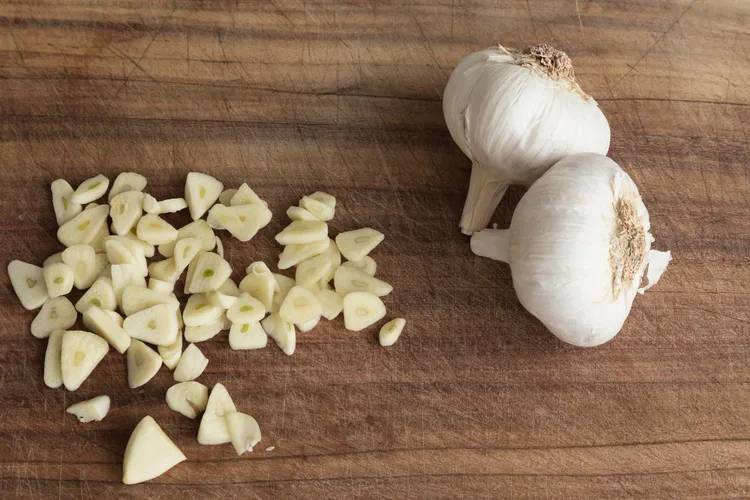
Every earlier stage in this guide, planting, growing, curing, storing, exists to support this final one. What follows is organized by how much garlic you're working with and what form it's in, from a single roasted head to a pantry full of cured bulbs.
When Garlic Is the Star of the Dish
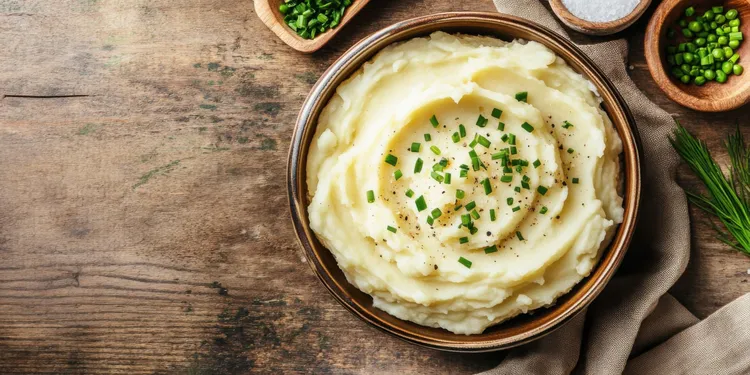
Some dishes put garlic front and center rather than treating it as a background note. Our Roasted Garlic Mashed Potatoes with Chives uses an entire roasted head, letting the sweet, mellow flavor of slow-roasted garlic carry the dish, a good destination for a head or two of garlic that's fully cured and ready to use.
When You Want a Quick, Punchy Side Dish
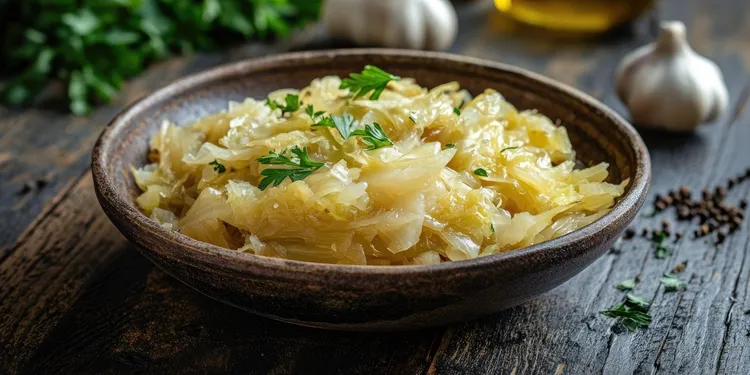
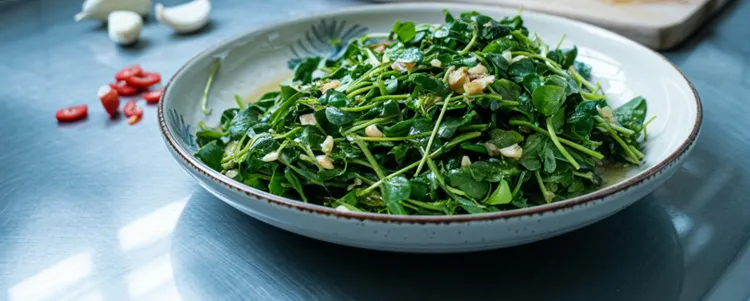
For a fast weeknight side that leans on garlic's sharper, more direct flavor, our Garlic Butter Frizzled Cabbage and Garlic-Sautéed Wilted Watercress both use a straightforward sauté approach, a good way to use a handful of cloves without much advance planning.
When Cooking for a Main Course
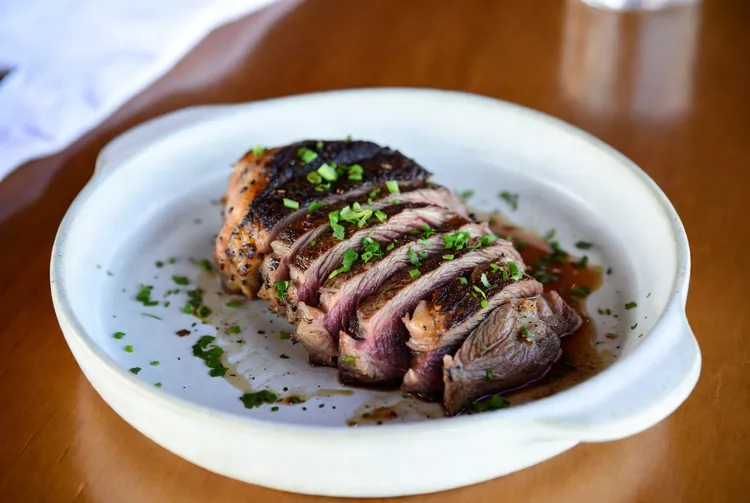
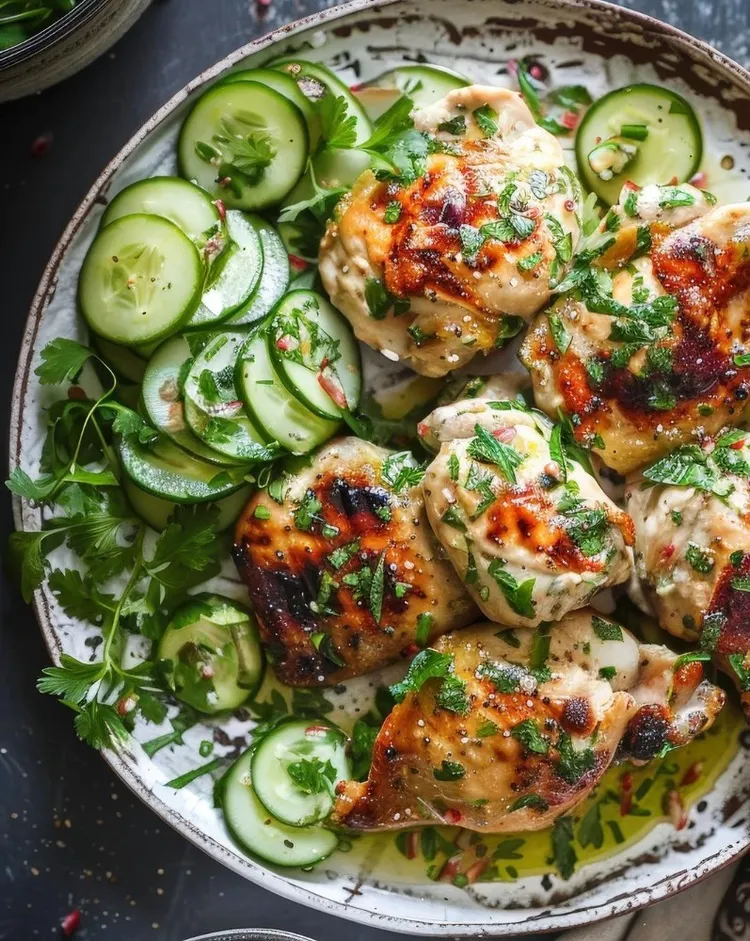
Garlic anchors plenty of main dishes across cuisines. Our Lemon Garlic Steak uses garlic in a quick pan sauce finished with butter and lemon, while Thai Style Garlic Chicken takes garlic in a completely different direction, paired with brown sugar, lemon, and black pepper for a sweet-savory Thai-inspired marinade.
When You Have Bread to Work With
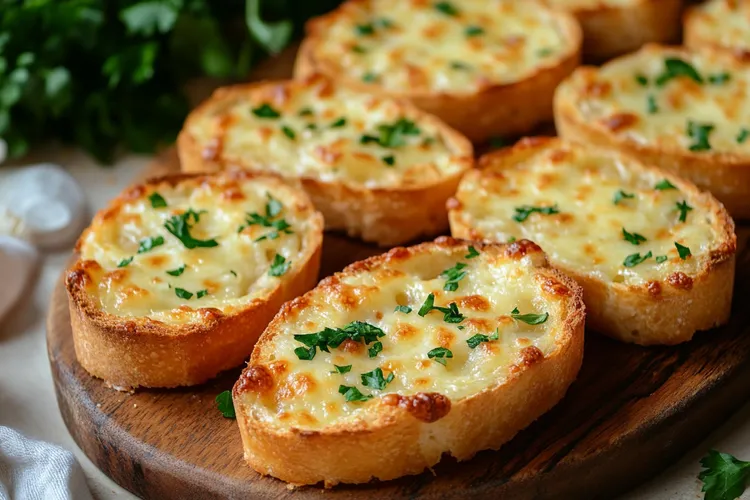
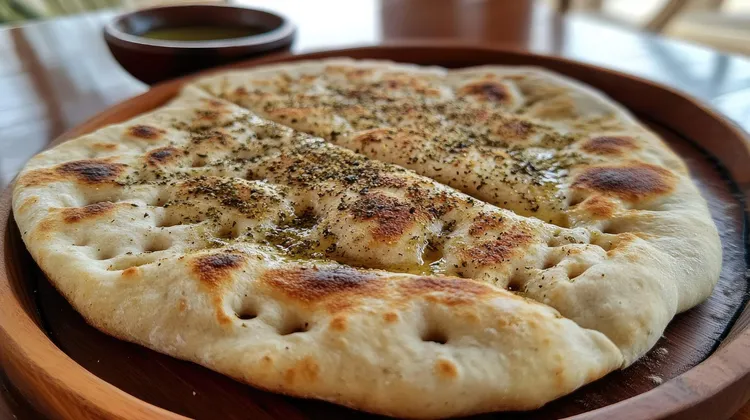
Garlic and bread is one of the most reliable combinations in this entire guide. Our Garlic and Cheese Baguette Bread and Garlic-Oregano Grilled Pita Bread both take a different approach to the same basic principle, garlic infused into fat and applied generously before baking or grilling.
When You Want a Simple Vegetable Side
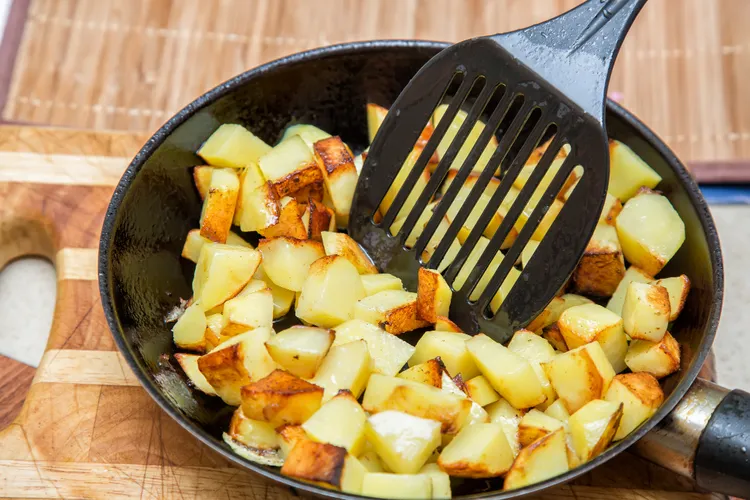
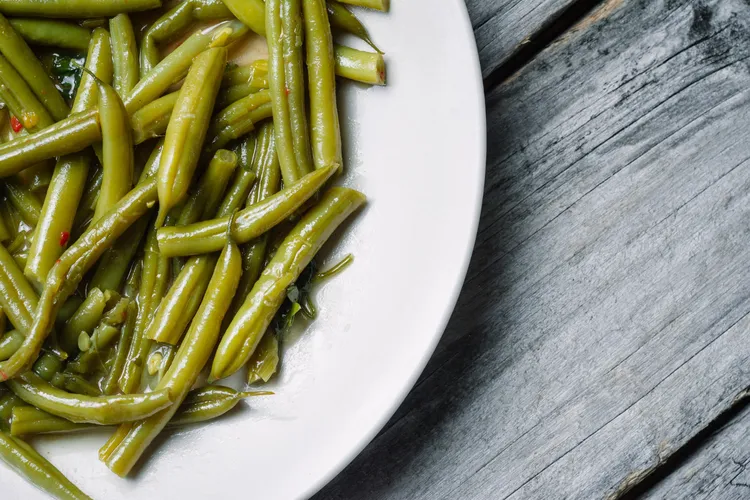
Garlic elevates simple vegetable preparations without much added effort. Our Garlic and Olive Oil Glazed Potatoes and Green Beans with Garlic and Cumin both build a full side dish around a modest amount of garlic paired with a single complementary spice or fat.
Understanding Why Garlic Behaves Differently Across These Recipes
If a recipe's garlic flavor seems sharper or milder than expected based on the method described, the underlying reason usually traces back to the food science covered in our guide to how cutting method changes garlic flavor, since how finely a clove is cut, and how long it rests before cooking, directly shapes the final result independent of the recipe's other ingredients.
Building a Full Meal Plan Around a Garlic Harvest
A single garlic harvest, properly cured and stored, supports cooking across an entire year rather than needing to be used up quickly the way a more perishable harvest like tomatoes does. That said, planning specific meals around a batch that's freshly cured, or around cloves that are beginning to sprout and should be used soon, makes sense periodically through the year. Our meal prep planning tool can help build out a week of garlic-forward dishes, and our meal planning tool is useful for slotting these recipes in alongside the rest of what's already on the weekly menu.
A Note on Quantity
Unlike a highly perishable harvest, garlic's long storage life means there's rarely urgency to use a large amount at once the way there is with, say, a glut of ripe tomatoes. This gives more freedom to work through the recipes above at a comfortable pace, a dish or two a week, rather than needing to process a large quantity in a short window.
Frequently Asked Questions
Which of these recipes is the best starting point for a beginner? The Garlic and Olive Oil Glazed Potatoes recipe is the most forgiving starting point, few ingredients, simple technique, and hard to seriously mishandle, before moving on to recipes with more active garlic-cooking technique like the steak or roasted mashed potatoes.
Can these recipes be adapted for less garlic if I prefer a milder flavor? Yes, all of these recipes scale down easily; reducing garlic quantity by half or more, and leaning toward roasted or confit preparations over raw or heavily sautéed, both meaningfully soften the final result for anyone preferring a gentler garlic presence.
What if I only have garlic powder instead of fresh cloves? Garlic powder can substitute in most cooked applications, though the flavor is milder and notably different from fresh, as covered in the nutrition and food science guides. A rough substitution guideline is about 1/8 teaspoon of powder per fresh clove, adjusted to taste.
Is it worth growing garlic specifically to make these recipes, or is store-bought fine? Store-bought garlic works perfectly well for every recipe here. Growing your own mainly pays off in cost savings at volume, access to hardneck varieties with more complex flavor than typical grocery store softneck garlic, and the simple satisfaction of cooking with something grown from a single clove planted the previous fall.
Pairing These Recipes With Other Framework Ingredients
Several of the recipes referenced throughout this guide pair naturally with other ingredients covered elsewhere in this content series; garlic and tomato appear together frequently, and a gardener growing both following the seed-to-plate frameworks for each has a natural opportunity to combine harvests directly into shared dishes rather than treating each ingredient's recipes in isolation.
Building Garlic Into a Weekly Cooking Routine
Because garlic stores so much longer than many other harvested ingredients, it lends itself well to becoming a consistent, almost default component across many dishes throughout the year rather than something used intensively during a short seasonal window. Keeping a head or two readily accessible, rather than tucked away in deep storage, makes it more likely to actually get used regularly across a range of the recipes covered above.
Adapting Recipes for Different Forms of Garlic on Hand
Not every recipe moment calls for fresh cloves specifically. If working from frozen minced garlic, roasted garlic paste, or confit cloves already prepared and stored per the preservation guide, most of the recipes referenced throughout this guide adapt readily, generally substituting roughly a similar quantity while accounting for the milder flavor those preserved forms typically carry compared to fresh.
A Final Word on the Full Cycle
Working through this entire framework, from a single clove planted in fall through a finished dish nearly a year later, represents one of the longer single-ingredient cycles covered across this content series, a genuine season-spanning commitment compared to shorter-cycle crops. For a gardener willing to make that commitment, the payoff is a genuinely different relationship with an ingredient used in nearly every savory dish cooked at home, understanding not just how to cook with garlic but why it behaves the way it does at every stage from clove to plate.
Frequently Asked Questions
How many of these recipes could realistically be made from a single season's harvest? A modest planting of 20 to 30 cloves, yielding the same number of heads, comfortably supports regular use across all of the recipes referenced in this guide throughout a full year, given garlic's typical usage quantities of a few cloves per dish.
Should I prioritize fresh garlic or preserved forms for these recipes? Fresh, properly cured garlic is the default and generally produces the best result for any of these recipes; preserved forms (frozen, confit, powder) are best treated as practical substitutes for convenience or when fresh cured garlic isn't currently on hand, rather than a preferred default.
What's a good way to introduce more garlic-forward cooking into a household that's used to milder flavors? Starting with roasted or confit preparations, both of which produce a notably milder, sweeter result than raw or heavily sautéed garlic, is a gentler entry point for household members less accustomed to bold garlic flavor, before working toward more assertive raw or quickly sautéed preparations.
Does growing garlic yourself actually taste different from store-bought? Many gardeners report a noticeable difference, particularly with hardneck varieties offering more complex flavor than typical grocery store softneck garlic, alongside the simple freshness advantage of garlic used shortly after curing rather than after extended commercial storage and transport.
A Quick Reference by What You Have
- A whole cured head, want it as the star: Roasted Garlic Mashed Potatoes with Chives
- A handful of cloves, want something quick: Garlic Butter Frizzled Cabbage or Wilted Watercress
- Cooking a full main course: Lemon Garlic Steak or Thai Style Garlic Chicken
- Have bread on hand: Garlic and Cheese Baguette Bread or Garlic-Oregano Pita
Letting Storage Life Guide the Menu
Unlike a highly perishable harvest that demands quick use, garlic's long storage life means there's little pressure to work through these recipes on any particular schedule. A kitchen that reaches for garlic naturally across a wide range of dishes throughout the year, rather than treating a harvest as a use-it-or-lose-it event, gets the most out of the ingredient's genuine strength: patience.
Approachability
Every recipe referenced throughout this guide uses garlic in a way that's genuinely approachable for a home cook at almost any skill level, no specialized technique or equipment required beyond a knife, a pan, and an oven. That accessibility is part of why garlic appears in so much of the world's home cooking in the first place.
Encouraging Experimentation Beyond This List
The recipes referenced throughout this guide represent a reasonable, tested starting point, not an exhaustive account of everything garlic can do in a kitchen. Once the underlying principles from earlier stages in this framework, cutting method, cooking method, pairing logic, feel familiar, applying them to recipes well outside this specific list becomes a natural next step rather than a leap into the unknown.
These recipes are a starting point built on everything covered earlier in this framework, planting, growing, curing, storing, and understanding how garlic's flavor actually works. Cooking through even a handful of them repeatedly builds more real kitchen confidence than reading the full guide without ever picking up a knife.
Whatever the skill level in the kitchen, these recipes are meant to be a flexible, welcoming starting point, adaptable to whoever's actually doing the cooking on a given night.
Cooking with garlic regularly, rather than treating it as an occasional special ingredient, is ultimately what builds the kind of intuitive comfort that makes every stage of this framework, from planting through plating, feel worthwhile in the long run. A kitchen that reaches for garlic often gets more value out of a season's harvest than one that saves it for rare occasions.
That's ultimately the spirit behind every stage of this framework, start to finish.
One Last Note on Getting Started
For anyone reading this guide from the very beginning, planting stage first, the recipes here are the distant but genuinely achievable destination waiting at the end of a full season's patient work, worth keeping in mind on a cold fall day while pressing cloves into the ground.
The distance between clove and table is long, but every stage along the way makes the final dish taste a little more earned.
Every clove planted carries that whole story forward to the plate.
That's worth remembering the next time a simple weeknight dish calls for nothing more than a clove or two, minced and added to a hot pan.
Simple, reliable, and always worth having on hand.
A season's patience, rewarded on a plate.
That's the whole point of growing something worth cooking with, start to finish.
Plant, tend, harvest, cure, store, and finally, cook it well.
Latest









