Best Ginger Recipes: Fresh, Ground, and Beyond
A curated set of ginger recipes organized by which form the dish calls for, fresh in marinades and stir-fries, ground in baking, and fresh in bright beverages.
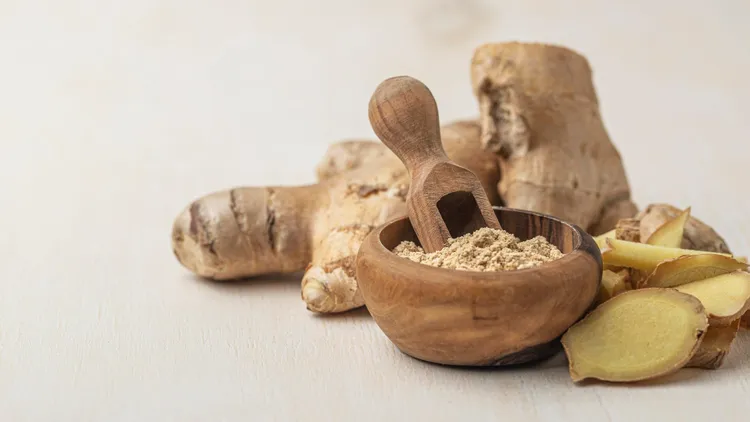
Every earlier stage in this guide, planting, growing, harvesting, preserving, exists to support this final one. What follows is organized by which form of ginger a dish calls for, since as covered throughout this framework, fresh, ground, and candied ginger aren't interchangeable.
When a Recipe Calls for Fresh Ginger in a Marinade
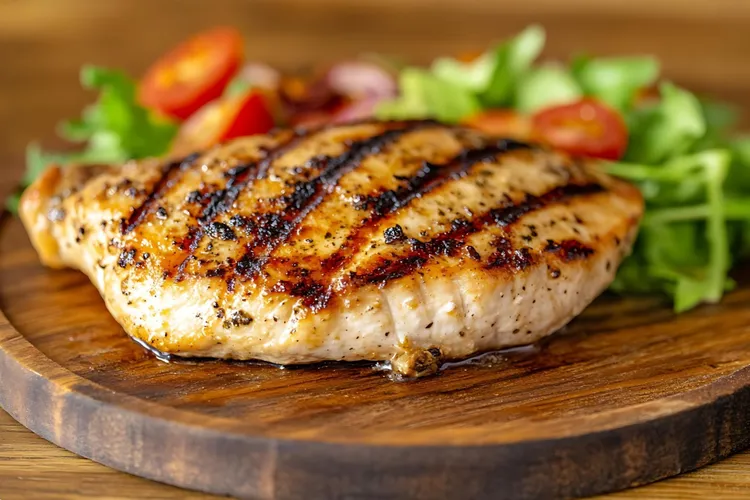
Fresh ginger's brightness and tenderizing enzyme activity, covered in the food science guide, make it a natural marinade ingredient. Our Grilled Lemon Chicken with Soy Sauce and Ginger pairs ground ginger with soy sauce and lemon for a quick, bright marinade, a good starting point for anyone new to cooking with ginger regularly.
When You Want a Quick Stir-Fry
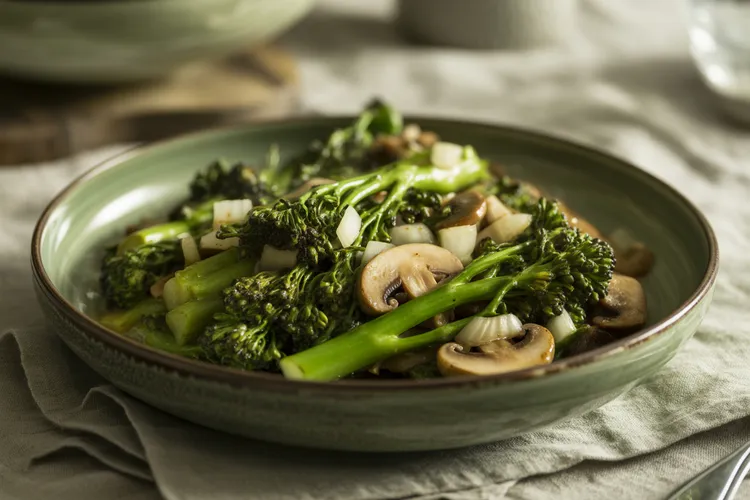
Fresh ginger, minced or grated, is a near-default aromatic in stir-fry cooking. Our Broccolini and Mushroom Stir-Fry uses grated fresh ginger root alongside garlic as the aromatic base, a straightforward way to use a modest amount of fresh ginger in a fast weeknight dish.
When You're Baking
Ground ginger's warm, concentrated heat is built for baking, where fresh ginger's moisture content would throw off a recipe's balance. Our Sticky Date and Ginger Cookies uses ground ginger alongside cinnamon in the classic warm-spice baking pairing covered in our pairings guide, a good destination for a well-stocked spice jar of homemade or store-bought ground ginger.

When You Want a Beverage or Refreshing Drink
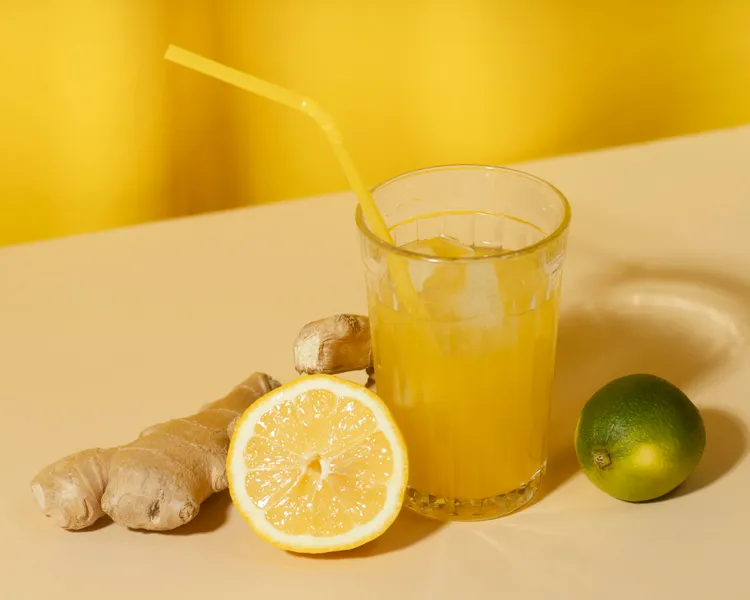
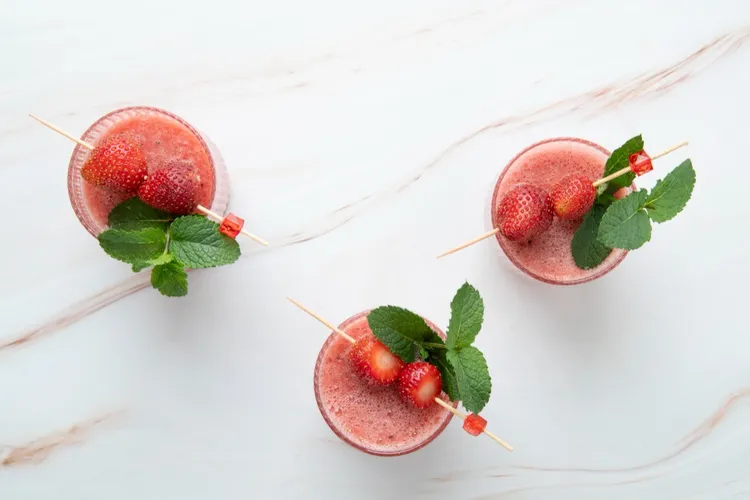
Ginger's brightness translates particularly well into drinks. Our Ginger & Lime Lemonade and Strawberry, Lemon and Ginger Shot both put fresh ginger's sharp, citrusy character front and center, good uses for a small amount of fresh ginger that doesn't need to stretch across a larger cooked dish.
Building a Full Meal Plan Around Preserved Ginger
Because ginger preserves so well and in so many distinct forms, frozen for cooking, candied for baking and snacking, pickled as a condiment, it's a genuinely convenient ingredient to keep well-stocked across multiple forms rather than buying fresh for every single use. Our meal prep planning tool can help build a week of dishes drawing on whatever form of ginger is on hand, and our meal planning tool is useful for slotting a ginger-forward dish or two in alongside the rest of a weekly menu.
Matching Ginger Form to the Rest of a Dish
If a recipe's ginger presence seems off, too sharp, too mild, or oddly absent compared to what was expected, the underlying cause often traces back to using the wrong form, fresh instead of dried or vice versa, rather than a flaw in the recipe itself, exactly the substitution pitfall covered in our cooking methods guide.
Ginger's Versatility Across a Single Kitchen
Few ingredients in this content series move as fluidly between savory mains, baked goods, and beverages within a single kitchen as ginger does. A household that keeps fresh ginger on hand for stir-fries and marinades, ground ginger for baking, and perhaps a jar of candied or pickled ginger for snacking or garnish gets meaningfully more use out of the ingredient than one relying on a single form for everything.
Frequently Asked Questions
Which of these recipes is the best starting point for someone new to cooking with fresh ginger? The Broccolini and Mushroom Stir-Fry is a forgiving starting point, since stir-frying's high heat and short cook time are relatively tolerant of small variations in how much ginger is used or how finely it's cut.
Can I substitute candied ginger into a baking recipe that calls for ground ginger? Not directly as a substitute for the ground spice, since candied ginger carries substantial added sugar and a different texture; candied ginger is better added as a mix-in (chopped and folded into a batter or dough) alongside, rather than in place of, a recipe's called-for ground ginger.
What if a recipe calls for fresh ginger juice rather than grated ginger? Grating ginger finely and pressing the pulp through a fine strainer or cloth extracts a usable substitute for ginger juice, covered in more detail in the cooking methods guide, useful for recipes wanting concentrated flavor without fibrous texture.
Is it worth growing ginger at home rather than buying it, given how widely available fresh ginger already is at grocery stores? Growing your own mainly pays off in access to young "stem" ginger, rarely sold commercially, along with the simple satisfaction of a genuinely unusual crop, propagated from rhizome rather than seed, that most home gardeners haven't tried.
A Quick Reference by Form
- Fresh, in a marinade: Grilled Lemon Chicken with Soy Sauce and Ginger
- Fresh, in a stir-fry: Broccolini and Mushroom Stir-Fry
- Ground, in baking: Sticky Date and Ginger Cookies
- Fresh, in a beverage: Ginger & Lime Lemonade or Strawberry, Lemon and Ginger Shot
Every dish in this recipe collection traces back to a decision made months earlier for anyone growing their own, which rhizome was planted, whether it was dug young or mature, how it was stored or preserved. Seeing that connection, a piece of rhizome planted the previous spring ending up grated into tonight's stir-fry, is really the point of working through this framework as a full cycle.
Frequently Asked Questions
Which of these recipes is the best starting point for a beginner? The Ginger & Lime Lemonade is a forgiving, low-stakes starting point, simple technique, and a direct, easy-to-judge way to taste fresh ginger's character before working toward more involved savory or baked applications.
Can these recipes be adjusted for less ginger if a milder flavor is preferred? Yes, all of these recipes scale down easily; reducing ginger quantity, and favoring a coarser cut over a fine grate, both meaningfully soften the final result for anyone preferring a gentler ginger presence.
What if I only have ground ginger instead of fresh for a savory recipe? As covered in the cooking methods guide, roughly 1/4 to 1/2 teaspoon of ground ginger substitutes for a tablespoon of fresh, though expect a sharper, less bright result than the recipe was written for.
Is it worth growing ginger specifically to make these recipes, or is store-bought fine? Store-bought ginger works well for every recipe here; growing your own mainly pays off through access to young ginger and the novelty of a genuinely unusual home garden crop rather than any dramatic difference in the finished dishes above.
Building Ginger Into a Weekly Cooking Routine
Because ginger stores and preserves so well across multiple forms, it lends itself to becoming a consistent, regularly reached-for ingredient across a wide range of dishes throughout the year rather than something used intensively during a short seasonal window. Keeping fresh, frozen, and perhaps a jar of candied or pickled ginger all readily accessible makes it more likely to actually get used regularly across the recipes referenced above.
Adapting Recipes for Different Forms of Ginger on Hand
Not every recipe moment calls for fresh rhizome specifically. If working from frozen grated ginger, ginger syrup, or candied pieces already prepared per the preservation guide, most of the recipes referenced throughout this guide adapt readily, generally substituting a similar quantity while accounting for the different flavor character each preserved form carries.
Working through this entire framework, from a piece of rhizome pre-sprouted indoors through a finished dish nearly a year later, represents one of the longer single-ingredient cycles in this content series. For a gardener willing to make that commitment, the payoff is a genuinely different relationship with an ingredient used across savory cooking, baking, and beverages alike, understanding not just how to cook with ginger but why it behaves so differently depending on form.
Cooking with ginger regularly across its different forms, rather than treating it as an occasional special ingredient reserved for one type of dish, is ultimately what builds the kind of intuitive comfort that makes every stage of this framework, from planting through plating, feel worthwhile.
These recipes are a starting point built on everything covered earlier in this framework, planting, growing, harvesting, storing, and understanding how ginger's flavor actually shifts across forms. Cooking through even a handful of them repeatedly builds more real kitchen confidence than reading the full guide without ever picking up a grater.
Whatever the skill level in the kitchen, these recipes are meant to be a flexible, welcoming starting point, adaptable to whoever's actually doing the cooking on a given night.
Expanding Beyond This Specific Recipe List
Once the underlying principles from earlier stages in this framework, which form suits which application, how timing of addition changes flavor, how pairings work, feel familiar, applying them to recipes well outside this specific list becomes a natural next step. Ginger's genuine versatility means a cook who understands the framework can confidently improvise far beyond any fixed recipe collection.
Seasonal Cooking With Home-Grown Ginger
For anyone growing their own, the fall harvest naturally aligns with the start of a season heavier in warming soups, braises, and baked goods, dishes that happen to suit ginger's flavor particularly well, a convenient overlap between when a home harvest becomes available and when ginger-forward cooking feels most seasonally appropriate.
The distance between a piece of rhizome pre-sprouting on a windowsill and a finished dish on the table is long, but every stage along the way, patient growing, careful harvesting, thoughtful storage, makes the final result taste a little more earned.
Every piece of rhizome planted carries that whole story forward, eventually, to a plate.
Passing the Framework Forward
For anyone who's worked through this entire framework, from planting rhizome to plating a finished dish, sharing that full-cycle understanding with another curious cook or gardener is a natural next step, and often the best way to reinforce everything learned along the way.
That's the real reward of working through the whole cycle.
Keeping printed or saved copies of a household's favorite ginger recipes in one accessible place, rather than scattered across bookmarks and memory, makes it easier to actually reach for them regularly rather than defaulting to something else out of simple convenience.
Easy access is often the deciding factor in whether a good recipe actually gets made again.
Keep it visible, keep it handy, and it'll get used.
As with the tomato and garlic recipe collections covered elsewhere in this content series, the real value of this list isn't the specific recipes themselves so much as the underlying confidence they build, confidence that transfers directly to any other ginger-forward recipe encountered afterward.
That transferable confidence is the real takeaway.
Start with one recipe, get comfortable, and let the rest follow naturally from there.
Every good habit in the kitchen starts with a single dish made once, then made again.
That's the whole arc of this framework in miniature, from a single seed piece to a dish worth making again and again.
Latest









