Common Mint Varieties and What They're Best For
A guide to the main mint varieties - spearmint, peppermint, chocolate mint, and apple mint - and which one to reach for depending on what you're making.
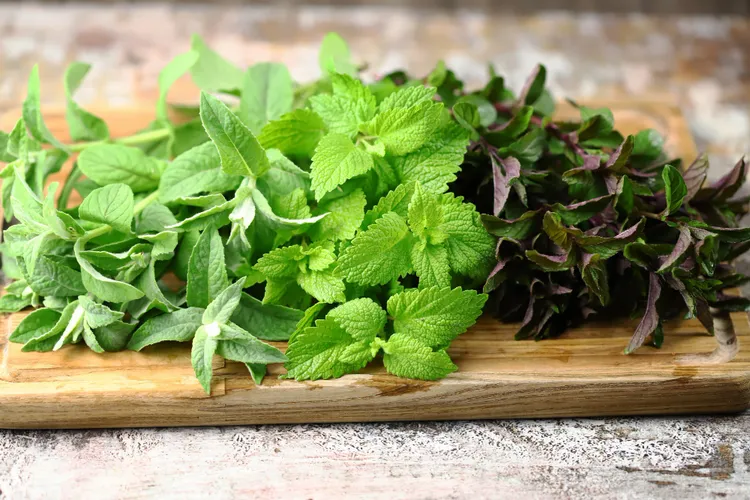
Mint isn't a single flavor - there's real variety within the mint family, and the differences matter more than people expect, particularly between the two most common culinary types.
Spearmint
Spearmint is the mildest, sweetest common variety, and the default choice for most savory cooking and a lot of drinks. It's what most cocktail recipes, salads, and savory sauces mean when they simply call for "mint" without further specification. If you're only growing or buying one type of mint, spearmint is the more versatile choice for general cooking.
Peppermint
Peppermint carries a sharper, more menthol-forward intensity than spearmint, thanks to a significantly higher concentration of menthol. It's the variety most associated with peppermint tea, candy, and a lot of desserts, where its cooling, intense character is exactly what's wanted. It's generally too strong to use as a direct substitute for spearmint in savory dishes like our classic mint sauce, where it can taste almost medicinal rather than fresh.
Chocolate Mint
A genuine variety (not merely a flavor pairing), chocolate mint has a distinct cocoa-like undertone layered over a base peppermint flavor, and it's a fun, if less essential, addition for a gardener interested in variety. It works particularly well in dessert applications, including a version of our mint chocolate chip ice cream, where its natural chocolate note reinforces the dish's overall flavor.
Apple Mint
Apple mint has a milder mint flavor with a subtle fruity, apple-like undertone, and slightly fuzzy leaves that distinguish it visually from smoother-leaved varieties. It's a good choice for fruit salads and lighter applications where a very strong mint flavor isn't wanted, similar in spirit to how lemon thyme offers a gentler alternative to common thyme in some contexts.
Other Varieties Worth Knowing
- Moroccan mint: Technically a variety of spearmint, specifically associated with traditional Moroccan mint tea; if you can find it, it's worth seeking out for that recipe specifically.
- Pineapple mint: A variegated, milder variety with a slight tropical fruit note, mostly grown for its appearance and light flavor.
- Orange mint (bergamot mint): Carries a citrus-forward character, useful in drinks and desserts where a brighter mint flavor is wanted.
Which One to Grow
For a home cook primarily interested in general cooking and drinks, spearmint is the most versatile single variety to grow or keep on hand. Adding peppermint alongside it is a reasonable second choice if you drink much peppermint tea or bake with mint regularly. Beyond those two, chocolate mint and apple mint are worth adding mainly out of curiosity or for a specific dessert application, rather than as an everyday cooking herb.
Substituting Between Varieties
Spearmint and apple mint can generally substitute for each other without much issue, given their similarly mild character. Peppermint is not a reliable one-to-one substitute for spearmint in savory recipes - if it's all you have, use noticeably less than the recipe calls for and taste as you adjust, since its intensity can otherwise overwhelm a dish built around a milder flavor.
For everything else about cooking with mint once you've settled on a variety, see the complete mint guide.
Latest









