Mint: Growing an Aggressive Herb and Actually Using It
A complete guide to mint for home cooks - how to grow it without letting it take over the garden, and the recipes that put a productive plant to real use.
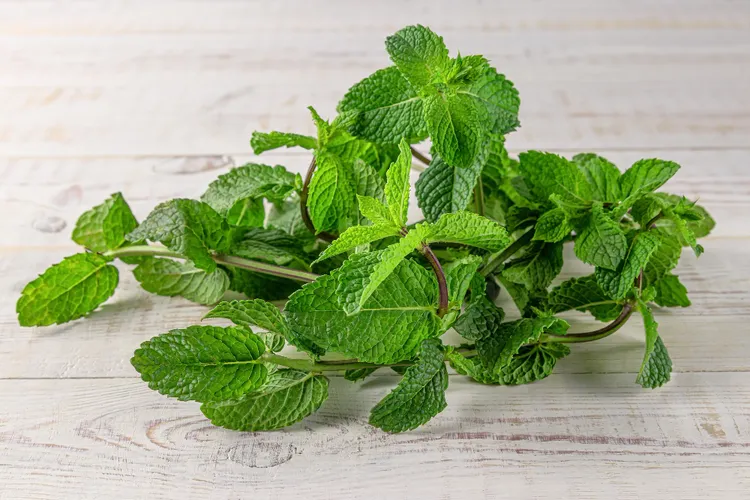
Mint has a reputation problem, and it's mostly deserved: plant it directly in a garden bed with no containment and it will spread aggressively through underground runners, showing up in places you never intended and crowding out everything nearby within a season or two. That reputation scares a lot of home cooks away from growing it at all, which is a shame, because contained properly, mint is one of the easiest and most productive herbs available - the real challenge isn't growing enough of it, it's using it all.
Why Mint Spreads the Way It Does
Mint spreads through rhizomes - underground stems that send up new shoots at intervals as they grow outward, independent of the original plant. This is different from how most herbs in this series grow: tarragon, rosemary, and thyme all expand outward from a single root ball, staying roughly where you planted them, while mint actively colonizes new ground as it goes. A single unrestrained mint plant can spread several feet in a single growing season, and once it's established in open ground, digging it back out completely is genuinely difficult, since any small piece of root left behind can regrow.
None of this makes mint a bad plant to grow - it just means the growing approach has to be different from the other herbs in this series. Our growing guide covers exactly how to contain it, whether in a dedicated pot or a buried barrier in the ground, so you get all the upside of a vigorous, productive plant without it overtaking your garden.
Mint Varieties
"Mint" isn't a single flavor - there's real variety within the mint family, and the differences matter more than people expect. Spearmint and peppermint are the two most common culinary types, with peppermint carrying a sharper, more menthol-forward intensity and spearmint offering a milder, sweeter flavor that's more versatile in savory cooking. Beyond those two, there are novelty varieties like chocolate mint and apple mint that bring genuinely distinct character to specific applications. Our varieties guide breaks down which type to reach for depending on what you're making.
Storing a Mint Surplus
Because a well-established, contained mint plant is so productive, most home cooks growing it end up with more than they can use fresh, especially at the height of summer. Mint doesn't dry quite as well as woodier herbs like rosemary or thyme, but it still holds up reasonably well, and it freezes particularly well in a few different forms. Our storage guide covers drying, freezing, and infusing a mint harvest so none of it goes to waste.
Cooking With Mint
Mint has one of the widest ranges of any herb covered in this series, splitting cleanly between savory and sweet applications in a way that tarragon, rosemary, and thyme mostly don't. On the savory side, a proper classic mint sauce - sharp, vinegary, and distinct from the sweeter mint jelly sold in stores - is the traditional British pairing for roast lamb and one of the best demonstrations of mint used seriously rather than as decoration. A mint chimichurri takes the same savory, herb-sauce format used elsewhere in this site and gives it a brighter, cooler edge well suited to grilled meat and fish.
For something lighter, a watermelon mint salad with feta is one of the most reliable warm-weather dishes a home cook can make - genuinely refreshing, and one of the clearest examples of how well mint pairs with fruit. A mint yogurt sauce, made raita-style, extends that cooling quality into a sauce that works well alongside curries, grilled meat, or as a dip.
Mint's biggest real-world use case might be drinks. A mint simple syrup is the easiest way to build the flavor into cocktails and lemonade without muddling fresh leaves every time, and our guide to mojitos and mint juleps covers the two classic mint cocktails that most home bartenders eventually want to make properly. For something completely non-alcoholic but equally traditional, Moroccan mint tea is a specific, ritual-driven preparation worth learning properly rather than just steeping a few leaves in hot water.
On the sweet side, no-churn mint chocolate chip ice cream shows mint's dessert range without requiring an ice cream maker, using fresh mint rather than the artificial mint extract most store-bought versions rely on. And for a savory twist on a familiar format, mint pesto rounds out this site's pesto series with a version distinct from both the classic basil and the fennel frond versions covered elsewhere.
If you're standing in the kitchen with more mint than any single recipe can use, our ideas for a mint glut goes beyond the obvious tea-and-mojito default for genuinely using up a large harvest.
What to Pair With Mint
Mint pairs naturally with lamb, chocolate, citrus, cucumber, watermelon, and yogurt, along with a handful of other herbs like basil and cilantro depending on the cuisine. It also has a wider range of good pairings across both sweet and savory food than most herbs in this series manage. Our pairing guide covers the specifics, including where mint doesn't fit as naturally as its reputation might suggest.
A Brief History
Mint has an ancient culinary and medicinal history, with references going back to ancient Greek and Roman texts, where it was used both in cooking and as a fragrance. Its genus name, Mentha, comes from Greek mythology - the nymph Minthe, transformed into the plant after a mythological conflict, according to one version of the story. Beyond the mythology, mint has been used across a genuinely wide range of cultures and cuisines for thousands of years, from South Asian raitas and chutneys to North African tea culture to the herb gardens of medieval Europe, which partly explains why its culinary range today is so much broader than a more regionally specific herb like tarragon.
Why Mint's Range Is So Much Wider Than Other Herbs
It's worth pausing on just how unusual mint's flavor profile is compared to the other herbs covered in this series. Tarragon, rosemary, and thyme are all almost exclusively savory herbs, appearing in desserts rarely if at all. Mint moves fluidly between sweet and savory in a way none of the others do - equally at home in a lamb sauce, a cocktail, a curry accompaniment, or a bowl of ice cream. Part of this comes down to menthol, the compound responsible for mint's cooling sensation, which reads as refreshing in almost any context rather than being tied to a specific flavor category the way, say, rosemary's resinous pine character is tied specifically to roasting and Mediterranean savory food.
Common Mistakes to Avoid
The single most common mistake is planting mint directly in open garden soil without any containment, assuming it will behave like a well-mannered herb such as thyme or parsley. Within a season or two, it will have spread well beyond where it was planted, and by that point, removing it completely is a genuinely difficult, multi-season project. Always contain mint, whether in a freestanding pot or a buried barrier - see the growing guide for specifics.
The second common mistake is treating all mint as interchangeable. Peppermint's sharper, more intense flavor doesn't work as a straight swap for spearmint in most recipes, particularly savory ones, where spearmint's milder character is usually what's intended. See the varieties guide for which type fits which application.
A third mistake, and a subtler one, is bruising or over-chopping mint too far in advance of using it. Mint's leaves oxidize and turn dark relatively quickly once cut or torn, faster than sturdier herbs, which is part of why so many mint recipes call for tearing or chopping it at the very last step before serving rather than prepping it ahead with everything else. This same principle explains why proper cocktail technique calls for a gentle muddle rather than aggressively crushing the leaves - overworking mint releases bitter compounds along with its aromatic oils, a detail covered in more depth in our guide to classic mint cocktails.
A Note on Buying Mint
Fresh mint is widely available at grocery stores year-round, and a bunch keeps reasonably well in the fridge for about a week when stored properly, similar to more delicate herbs like basil rather than the longer-lasting rosemary or thyme. Because mint is so productive once established, growing even a single well-contained plant on a windowsill or patio is one of the more cost-effective herb-growing decisions a home cook can make, given how often a recipe calls for just a few sprigs and how much a grocery store bunch typically costs for the same small amount.
Mint's reputation as a garden menace is well-earned if you plant it carelessly, but that same aggressive growth is exactly what makes it one of the most rewarding herbs to keep on hand once it's properly contained - a small, well-managed patch will produce far more usable mint over a season than almost any other herb in this series, and its range across sweet and savory cooking alike means very little of it needs to go to waste.
Latest









