Cooking Anxiety Is Real: How to Get Comfortable in the Kitchen
Feeling stressed, overwhelmed, or nervous about cooking is more common than people admit. Here's why it happens and a skill-building path that actually reduces it.
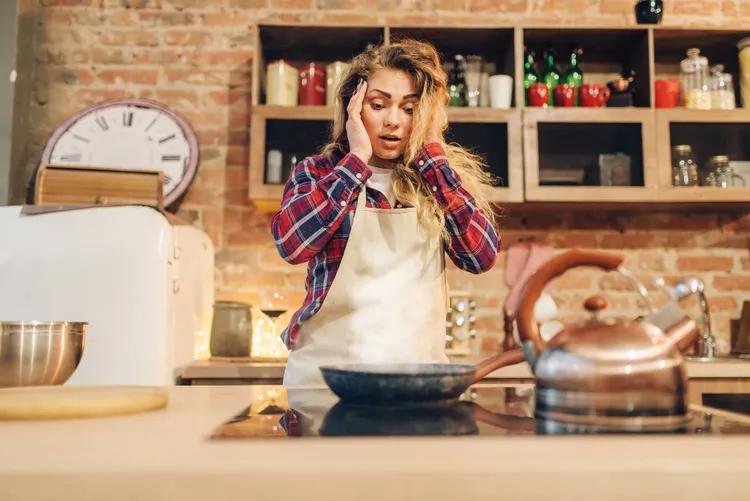
Cooking anxiety isn't about being precious - it's a real response to an environment where things go wrong publicly, food gets wasted, and the outcome is uncertain. If your heart rate goes up when you start a recipe you're not sure about, you're not alone. And there's a clear path out of it.
What Cooking Anxiety Actually Feels Like
It's not the same for everyone. Common versions:
- Avoiding cooking because you're afraid of making food that tastes bad
- Feeling overwhelmed when a recipe has more than 6 steps
- Panicking when something doesn't go according to plan (smoke, splatter, wrong color)
- Cooking only a narrow range of "safe" dishes and never expanding
- Dreading cooking for other people
The common thread: cooking feels high-stakes. The fix is reducing the stakes while building skill.
Why Anxiety Gets Worse in the Kitchen
Cooking involves multiple simultaneous variables under time pressure: heat, timing, seasoning, multiple components. For someone without strong kitchen instincts, this creates real cognitive overload. Anxiety is a reasonable response to overload.
The solution isn't to push through - it's to reduce the complexity until your skill catches up to the demands.
Start With One-Ingredient Cooking
Not literally one ingredient - but meals where the technique is the whole point and there's nothing to juggle. Garlic scrambled eggs is a good entry point: one pan, three ingredients, 8 minutes, and you're learning how to manage egg texture and heat. Cook it 5 times. Get it right consistently. Then add one more variable.
Pan-roasted chicken thighs teach the same lesson at the next level: how to sear, how to tell when meat is cooked, how to manage a hotter pan. Two techniques in one recipe.
Understand That Mistakes Are Diagnostic
Burnt garlic means the pan was too hot or the garlic went in too early. Rubbery eggs mean they were overcooked. A sauce that's too salty means it reduced more than expected. These aren't failures - they're information. Professional cooks make these mistakes. They've just learned what the mistake means and how to avoid it next time.
Shift the framing: you're not trying to produce a perfect meal. You're gathering data about how heat and timing affect food.
The Mise en Place Confidence Trick
Most kitchen panic comes from not being ready. You're stirring something on the heat, realize you forgot to chop the garlic, scramble to do it, and something burns. The fix: read the whole recipe before starting. Prep everything before heat goes on. When the pan is hot, you should have nothing left to do except cook.
Build a Short List of Reliable Recipes
Anxiety decreases with repetition. Pick 5 recipes, cook each at least three times. After three attempts, you're no longer following instructions - you're cooking. The balsamic chicken and mushrooms is a good one to add to that list: straightforward technique, forgiving timing, and it tastes impressive relative to the effort.
Cooking for Others
If cooking for guests spikes your anxiety more than cooking alone, that's normal. A few things help: cook something you've made successfully multiple times (never attempt a new recipe on guests). Have it mostly done before they arrive. Set a lower expectation out loud - "this is simple but I think you'll like it" removes the pressure of a performance.
For more on the friction that makes cooking feel hard, see the full guide to why you hate cooking and how to fix it.
Latest