The Creativity Angle: Cooking as an Expressive Outlet
Cooking engages the same brain circuits as other creative arts - and produces the same mood-lifting effects. You do not need to be an artist to benefit from creative expression in the kitchen.
The link between creative activity and mental health is well-documented. Expressive arts - painting, music, writing, craft - consistently improve mood, reduce anxiety, and produce what psychologists call flow states: periods of absorbed engagement in which self-critical thought recedes. Cooking belongs in this category. It just gets treated as a chore instead.
What Makes Cooking Creative
Creativity requires constraints, a medium, and decisions that are genuinely yours. Cooking has all three. The constraints are ingredients, technique, and time. The medium is flavour, texture, and appearance. The decisions - what to combine, how to season, how to plate - are expressions of preference and judgment that are specific to you.
Following a recipe exactly is more like a craft exercise than creative expression, but it builds the vocabulary that makes improvisation possible. Once you know what garlic does to a dish, what acid does to balance richness, what heat does to protein - you can make choices rather than follow instructions. That is where the creative dimension opens up.
Flow States in the Kitchen
Flow, as defined by psychologist Mihaly Csikszentmihalyi, requires a task that is challenging enough to demand full attention but within your actual capability. Too easy and the mind wanders; too hard and anxiety replaces engagement.
Cooking maps well onto these conditions for most people. Intermediate-skill cooking - dishes that require some technique and attention but are not technically demanding - produces reliable flow states. The attention demanded by managing heat, timing multiple elements, and adjusting seasoning on the fly is exactly the kind that pulls the mind out of rumination.
Dishes like balsamic chicken and mushrooms or pan-roasted chicken thighs sit in the right zone: real technique required, forgiving of imperfect execution, rewarding to make well.
Improvisation as Creative Practice
Improvising in the kitchen - cooking without a recipe, working with what is available - is where cooking most clearly functions as creative expression. This is not about novelty for its own sake; it is about making decisions based on your own judgment rather than external instructions.
Start small. Adjust the seasoning of a dish you know well. Add a vegetable that was not in the original recipe. Change the technique for a single element. Each improvisation that works is a creative success - evidence that your judgment is reliable.
Over time this builds into a genuinely personal cooking style: a set of flavour preferences, default techniques, and ingredient combinations that are recognisably yours. That is expression in the same sense that any artist develops a voice.
Plating and the Aesthetic Dimension
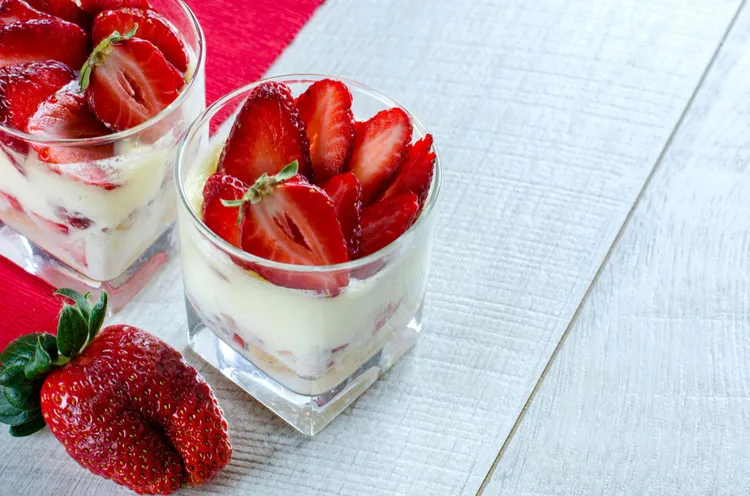
Plating is the visual dimension of cooking expression, and it is often completely ignored in home cooking. Taking thirty seconds to arrange food thoughtfully - not in a restaurant-performance way, but in a "this looks like I made it with care" way - has a measurable effect on how much you enjoy eating it. Visual presentation signals effort and intention, and the brain responds accordingly.
A simple lemon-infused cabbage salad placed in a wide, shallow bowl with a drizzle of good olive oil looks like a completely different meal than the same salad piled into a mug. The ingredients are identical. The experience is not.
Creative Cooking vs. Performance Anxiety
There is a version of creative cooking that becomes performance anxiety: cooking to impress, scrolling social media for recipes that generate admiration, feeling like every dish needs to be photographed and validated. This is the opposite of the mental health benefit. It replaces intrinsic satisfaction with external approval-seeking, which reliably corrodes enjoyment.
Creative cooking as a mental health practice is personal. You are cooking for yourself, by your own standards, for your own satisfaction. Whether anyone else would like it is irrelevant.
For the full context of how cooking supports mental wellbeing, see the guide to cooking as a mental health practice.
Latest