Why Cooking for One Feels Pointless (And How to Make It Worth It)
Recipes written for four people, food that goes to waste, and cooking a full meal just for yourself - solo cooking has real friction. Here's how to make it work.
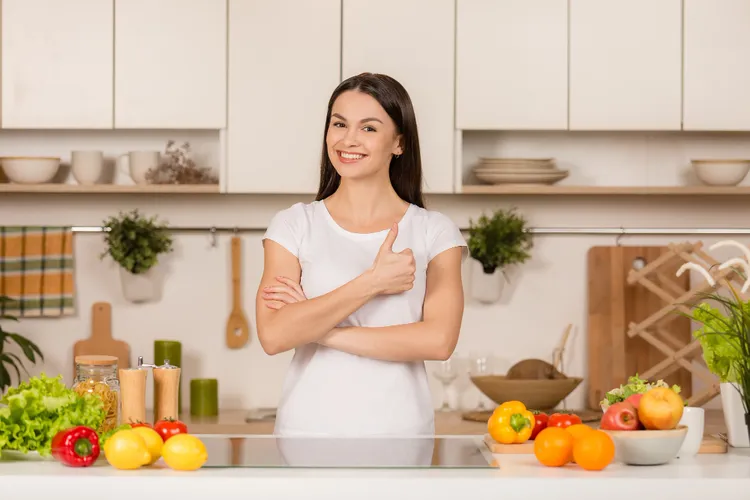
Cooking for one is genuinely harder than cooking for four. Most recipes assume a family. Ingredients come in quantities designed for multiple servings. And the motivation to put effort into a meal you're eating alone, standing at the counter, is low. None of that is in your head - it's real friction. But it's solvable.
The Waste Problem
The most common solo cooking frustration: buying a bunch of cilantro to use two sprigs, then watching the rest rot. Or opening a can of coconut milk for one dish and having nowhere to put the other half.
Three approaches that help:
- Build meals around shelf-stable ingredients. Eggs, canned fish, lentils, tinned tomatoes, frozen vegetables - these don't spoil if you don't get to them immediately.
- Intentional leftovers. Cook two servings on purpose - one for tonight, one for lunch tomorrow. This isn't meal prep, it's just efficiency.
- Recipes that freeze well. Soups and stews freeze perfectly. A batch of leek, potato and lentil soup (180 kcal per serving, 9g protein, under $1 per serving) makes 4 portions - eat one, freeze three.
Scaling Recipes Down
The math is straightforward but easy to forget: divide everything by the number of servings and multiply by 1. The trickier part is cooking time - a single chicken thigh cooks faster than four. Use a thermometer rather than a timer when scaling down proteins.
Eggs are the natural single-serving food. A mushroom and onion scrambled eggs is a complete, satisfying meal in under 10 minutes with one pan to wash. Around 220 kcal, 15g protein. The egg and cottage cheese omelet is another strong single-serving option - higher protein at around 25g per serving.
The Solo Cooking Mindset Shift
Cooking for one is actually an advantage in one specific way: you only have to please yourself. No compromises on spice level, no working around someone else's dislikes. Use that freedom. Cook things you genuinely want to eat, not what you'd serve guests.
Batch Strategies That Work for One
Full Sunday meal prep isn't realistic when you're cooking for one - you'd be eating the same thing all week. A lighter version works better: cook one grain (a pot of rice or quinoa takes 20 minutes and keeps 5 days), one protein (4 servings of chicken or hard-boiled eggs), and keep fresh vegetables around for variety. Mix and match through the week.
Fast Solo Meals Worth Making
The benchmark for solo cooking should be: better than delivery, faster than delivery, cheaper than delivery. These meet that bar:
- Garlic scrambled eggs - 8 minutes, ~200 kcal, one pan
- Tomato scrambled eggs - 10 minutes, ~200 kcal, simple ingredients
- Baked zucchini fritters with goat cheese - 25 minutes, a proper meal
- Lemon-butter baked salmon with asparagus - 20 minutes, ~380 kcal, 35g protein
The Motivation Problem
Low motivation is real. A few things help: eating at a table instead of over the sink, using proper plates, putting your phone down. These sound small but they change how a solo meal feels. You cooked it - eat it like it counts.
For a broader look at the friction that makes cooking feel like a chore, see why you hate cooking and how to fix it.
Latest