French Tarragon vs Russian Tarragon: What's the Real Difference
French and Russian tarragon look almost identical but taste completely different - here's how to tell them apart before you plant the wrong one.
Nurseries sell two plants labeled tarragon, and only one of them is worth putting in a pan. If you've ever bought a "tarragon" plant, grown it for a season, and wondered why it didn't taste like the béarnaise sauce you had at a restaurant, there's a good chance you grew the wrong one.
French tarragon (Artemisia dracunculus var. sativa) is the culinary variety with the true anise-sweet flavor that French cooking is built around. Russian tarragon (Artemisia dracunculoides) is a hardier, faster-growing relative with a flavor that's often described as grassy, bitter, or simply flat compared to French tarragon. They look similar enough at a garden center that plenty of home cooks end up with the wrong one without realizing it.
How to Tell Them Apart
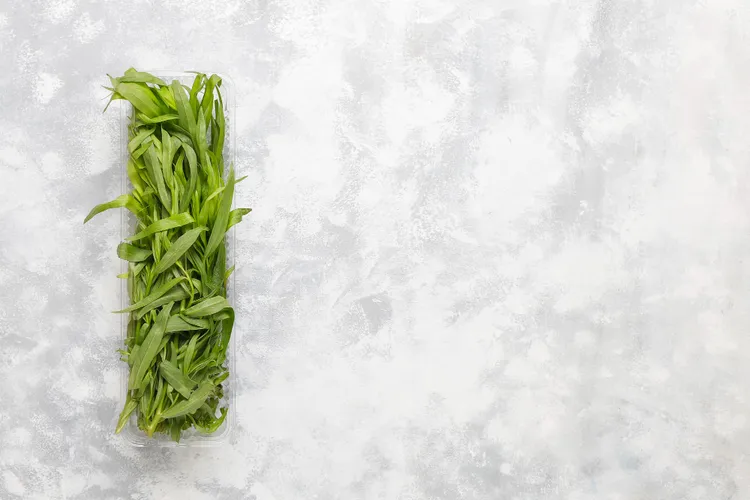
Visually, the two are close - both have narrow, elongated leaves and a similarly bushy growth habit. A few differences help distinguish them if you're buying a live plant:
- Leaf texture: French tarragon leaves are smoother and slightly narrower. Russian tarragon leaves tend to be a bit more serrated or rough-edged.
- Growth habit: Russian tarragon grows taller, faster, and more aggressively - it can reach several feet and spreads more readily.
- Seed: This is the most reliable tell. French tarragon rarely produces viable seed and is propagated almost exclusively from cuttings or root divisions. If a plant or packet is grown from seed, it is almost certainly Russian tarragon, not French.
- The taste test: Crush a leaf between your fingers. French tarragon smells distinctly of anise or licorice. Russian tarragon smells more like mown grass, with little to no anise character.
Why the Difference Matters So Much in the Kitchen
French tarragon's anise-sweet oil content is what makes tarragon-based classics work at all. Béarnaise sauce, tarragon chicken, and a proper fines herbes blend all depend on that specific flavor profile. Substitute Russian tarragon into any of these and the dish reads as flat - technically correct, missing the point.
Russian tarragon isn't useless, but its role is different. It holds up better in hardier climates, spreads more easily in a garden bed, and can work as a mild background herb in dishes where you want a faint grassy note rather than a dominant anise flavor. It is not a straight substitute in any recipe that calls for tarragon as a primary flavor, including our béarnaise sauce recipe or tarragon chicken salad.
Buying the Right Plant
When shopping at a nursery or garden center, look specifically for a tag or label that says "French tarragon" or the Latin name Artemisia dracunculus var. sativa. If a plant is simply labeled "tarragon" with no variety specified and was clearly grown from seed (check if it's sold in a seed packet, or ask), assume it's Russian.
Buying online has the same pitfall - search listings for "tarragon seeds" are almost always Russian tarragon, since French tarragon doesn't reliably set seed. If you want French tarragon, you need to buy a live plant or get a cutting from someone who already has one established. Our growing guide covers how to propagate a new plant from a cutting once you've got the right variety.
Buying Fresh Tarragon at the Grocery Store
Most fresh tarragon sold at grocery stores and farmers markets is French tarragon, since that's what commercial growers cultivate for the culinary market. If you're buying fresh bunches rather than growing your own, you're very likely already getting the right variety - the confusion mostly happens at the plant-buying stage.
Dried tarragon in a spice jar is a different story. Cheaper dried tarragon blends sometimes use Russian tarragon or a mix of both, and the flavor difference is noticeable even dried. If a recipe depends heavily on tarragon's flavor, fresh French tarragon (or tarragon you've dried yourself from a known French plant) will always outperform a generic dried jar.
If you only remember one thing from this article: French tarragon is grown from cuttings, tastes like anise, and is what every classic tarragon recipe assumes you're using. Russian tarragon is grown from seed, tastes like grass, and is a different herb wearing the same name. Once you've confirmed which one you have, everything else about cooking with tarragon gets a lot more predictable.
For the full picture on keeping a French tarragon plant productive once you've found one, head back to our complete tarragon guide.
Latest