How to Grow Tarragon at Home (Pots, Garden Beds, and Indoor Setups)
A practical guide to growing French tarragon at home - soil, sun, watering, and how to propagate a new plant from a cutting since it doesn't grow reliably from seed.
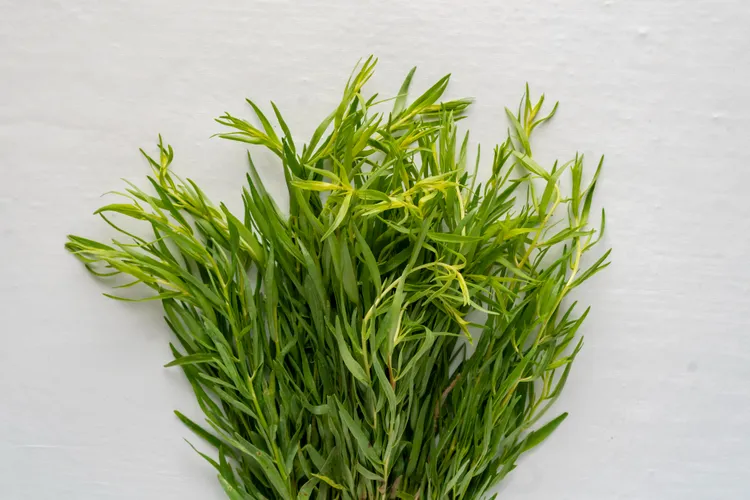
Tarragon is one of the easier herbs to keep alive once it's established, mostly because it wants to be left alone. The mistakes that kill it are almost always about doing too much - overwatering, over-fertilizing, or planting it somewhere too shaded and hoping for the best.
Start With the Right Plant
Before anything else, make sure you're starting with French tarragon rather than Russian - the flavor difference is significant enough that it's worth getting right from day one. Our comparison guide covers how to tell them apart. Because French tarragon rarely sets viable seed, you'll need to buy a live plant or take a cutting from an existing one rather than starting from a seed packet.
Choosing a Spot
Tarragon wants at least six hours of direct sun a day. In hot climates, a little afternoon shade prevents the leaves from scorching, but in most temperate regions full sun works fine. It's not particular about soil quality, but it is particular about drainage - tarragon planted in heavy clay or a low spot that stays soggy after rain will struggle and often rot at the roots.
If your garden soil is dense or slow-draining, a raised bed or large container is the more reliable option. A pot at least 12 inches wide and deep gives the roots enough room to establish without drying out too quickly between waterings.
Potting Mix and Soil
Use a well-draining potting mix - a standard herb or vegetable mix works, though adding a handful of perlite or coarse sand improves drainage further if the mix seems dense. In the ground, work some compost into the soil at planting time, but avoid rich, heavily fertilized soil going forward. Tarragon grown in overly fertile soil tends to produce more leaves with less concentrated flavor.
Watering
This is where most tarragon plants die. Water deeply but infrequently - let the top inch or two of soil dry out between waterings. In a pot, that might mean watering twice a week in summer heat and much less in cooler weather. Overwatering leads to root rot, which shows up as yellowing leaves and a generally wilted look even though the soil is wet - a symptom that confuses people into watering more, which makes it worse.
Propagating From Cuttings
Since French tarragon doesn't grow reliably from seed, cuttings are the standard way to start a new plant:
- Take a 4 to 6 inch cutting from a healthy, non-flowering stem in spring or early summer.
- Strip the leaves from the bottom half of the cutting.
- Dip the cut end in rooting hormone if you have it, though it's not strictly necessary.
- Plant the cutting in a small pot of moist, well-draining potting mix, burying the stripped portion.
- Keep the soil consistently moist (this is one of the few times you'll actively want to keep tarragon's soil damp) and place the pot somewhere with bright, indirect light.
- Roots typically develop within two to four weeks. Once you feel resistance when gently tugging the cutting, it has rooted and can be moved to its permanent spot.
Dividing an established plant's root ball in early spring is another reliable method if you already have a mature tarragon plant to work from.
Growing Tarragon Indoors
Tarragon can be grown indoors on a sunny, south-facing windowsill, though it's more demanding indoors than most kitchen herbs because of its high light requirement. A supplemental grow light helps in winter or in homes without strong direct sun. Indoor tarragon also tends to grow leggier and less bushy than outdoor plants, so more frequent light harvesting helps keep it compact.
Winter Care
Tarragon is a perennial in USDA zones 4 through 8, meaning it dies back to the ground in winter and returns in spring. In containers, moving the pot to a sheltered spot (against a house wall, in a garage that gets some light, or indoors) helps it survive cold snaps. In the ground, a layer of mulch over the root zone after the first hard frost protects it through winter. Don't be alarmed when the top growth turns brown and dies back - this is normal, and new shoots typically appear in mid to late spring.
Once It's Established
A healthy tarragon plant will keep producing for years with minimal input. The main ongoing task is regular harvesting, which actually keeps the plant more productive rather than stressing it - our harvesting guide covers timing and technique. Beyond that, tarragon is genuinely one of the lower-maintenance herbs to keep around once it's settled into a spot it likes.
For everything you can do with the tarragon once it's growing, see the complete tarragon guide.
Latest