The Gut-Brain Connection: What You Cook Affects How You Feel
Around 90% of the body's serotonin is produced in the gut. What you cook and eat directly influences the microbial environment that drives mood, anxiety levels, and cognitive function - here is what the research actually shows.
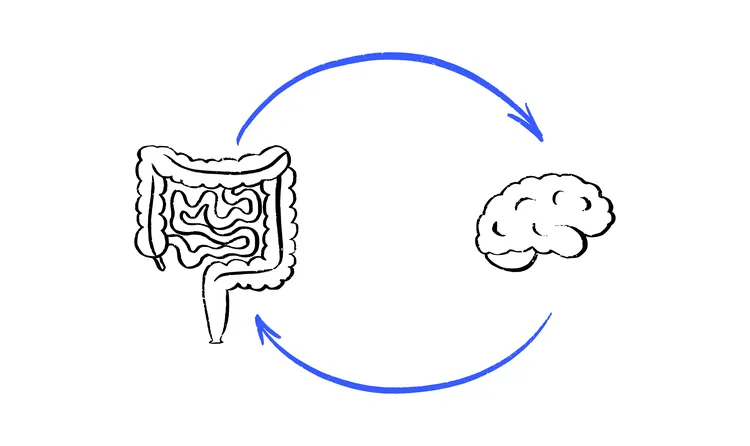
The gut-brain axis is not a metaphor. It is a physical communication network - the vagus nerve, the enteric nervous system, and the bloodstream - linking the state of your gut to the state of your brain in real time. When the gut microbiome is well-fed and diverse, the signals going up to the brain are different than when it is depleted. The food you cook is the primary input into this system.
What the Gut-Brain Axis Actually Is
The enteric nervous system - sometimes called the "second brain" - contains around 500 million neurons embedded in the walls of the gastrointestinal tract. It communicates with the brain via the vagus nerve, which runs from the brainstem to the abdomen. About 80-90% of the signals on this nerve travel upward, from gut to brain rather than the other direction.
The gut microbiome - the trillions of bacteria, fungi, and other microorganisms living in the digestive tract - produces or regulates around 90% of the body's serotonin, significant amounts of GABA (the primary inhibitory neurotransmitter), and various other signalling molecules that directly influence mood, anxiety, and stress response. Feed the microbiome well and the signalling improves. Neglect it and you will feel the effects, even if you never connect them to what you ate.
What the Research Shows
The field of nutritional psychiatry has produced consistent findings over the past decade. Mediterranean-style diets - high in vegetables, legumes, whole grains, fish, olive oil, and fermented foods - are associated with significantly lower rates of depression and anxiety compared to Western diets high in processed foods and refined sugars. The association holds after controlling for socioeconomic status, physical activity, and social factors.
A landmark 2017 randomised controlled trial (the SMILES trial) found that a dietary intervention focused on Mediterranean-style eating produced a clinically significant reduction in depression scores compared to social support alone. Food is not a replacement for treatment - but it is a genuine variable.
Key Foods for Gut-Brain Health
Fermented foods
Yogurt, kefir, kimchi, sauerkraut, and miso introduce live bacteria to the gut and have been shown to reduce anxiety and improve mood in randomised trials. They are also cheap and easy to incorporate: a spoonful of yogurt with breakfast, miso stirred into soup at the end of cooking.
Prebiotic fibre
Prebiotics are the food that beneficial gut bacteria eat. Lentils, beans, oats, leeks, onions, garlic, and bananas are particularly rich sources. A bowl of leek, potato and lentil soup is an exceptionally good prebiotic meal - leeks and lentils both rank highly for prebiotic content. The slow-cooker red lentil soup is similarly useful and requires almost no active cooking time.
Omega-3 fatty acids
Omega-3s, particularly EPA and DHA found in oily fish, are anti-inflammatory and have direct effects on brain function. Meta-analyses support their role in reducing depressive symptoms. Lemon-butter baked salmon with asparagus gets omega-3s in one focused meal, and the asparagus adds prebiotic fib to boot.
Magnesium-rich foods
Magnesium deficiency is associated with anxiety, poor sleep, and irritability - and deficiency is common. Dark leafy greens, nuts, seeds, legumes, and dark chocolate are good sources. Cooking with spinach, adding pumpkin seeds to salads, and using beans as a base for meals are all practical ways to increase intake.
What to Avoid (Without Being Obsessive)
Ultra-processed foods consistently correlate with worse mental health outcomes in large population studies. The mechanism appears to involve inflammatory signalling and disruption to the gut microbiome. This does not mean never eating processed food - the research is about dietary patterns over time, not individual meals. But if you are cooking regularly, defaulting to whole ingredients over packaged products is the highest-leverage single change you can make for gut-brain health.
Sugar is similarly worth moderating: blood sugar spikes and crashes produce direct effects on mood and energy, independent of the microbiome effects. Stable blood sugar means more stable mood. The 30-30-40 balanced plate method is a practical framework for building meals that keep blood sugar stable without obsessive tracking.
Practical Starting Points
- Add a fermented food to one meal per day - Greek yogurt, miso, or a spoonful of kimchi alongside dinner.
- Cook one legume-based meal per week. Lentil soup is the easiest entry point.
- Eat oily fish twice a week. Baked salmon takes twenty minutes.
- Cook with onion and garlic daily. Both are excellent prebiotic sources that most recipes already use.
None of this requires a major dietary overhaul. It requires cooking regularly with whole ingredients - which is what good cooking looks like anyway.
For the complete picture of how cooking supports mental wellbeing, see the guide to cooking as a mental health practice.
Latest