Harvesting and Pruning Tarragon for a Longer Growing Season
Regular harvesting keeps tarragon bushy and prevents the bitterness that comes with flowering - here's when and how to cut for the best flavor all season.
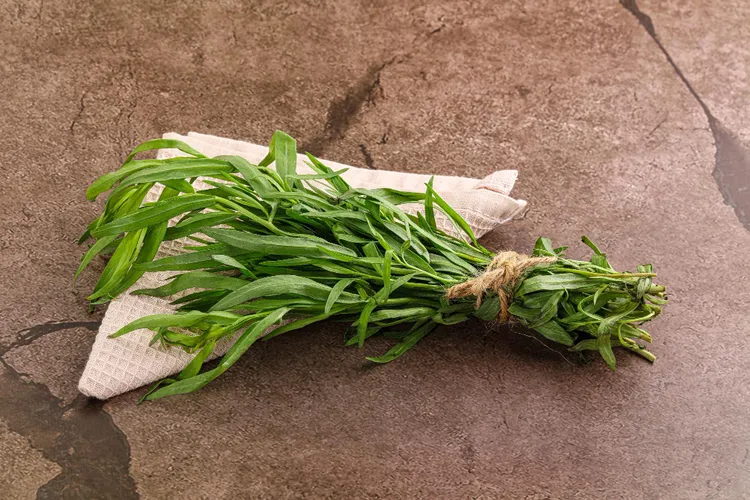
Tarragon is one of the few herbs where cutting it back aggressively actually improves the plant rather than stressing it. Left alone, tarragon grows tall, thin, and eventually flowers, at which point the leaves turn bitter and the plant slows down leaf production. Regular harvesting solves both problems at once.
When to Start Harvesting
Wait until a newly planted tarragon has established itself - generally once it's reached 8 to 10 inches tall with several branching stems, usually 6 to 8 weeks after planting a rooted cutting. Harvesting too early, before the plant has built up enough leaf mass, can slow its overall growth.
How to Harvest
Use scissors or pinch with your fingers just above a leaf node - the point where a smaller stem branches off the main one. Cutting here encourages the plant to send out two new stems from that point, which is what makes tarragon get bushier the more you harvest it, rather than leggier.
A good rule of thumb is to never take more than a third of the plant's total growth at once. Regular light harvesting every week or two through the growing season works better than one large harvest, both for the plant's health and for keeping a steady supply of fresh tarragon on hand.
Morning is the best time to harvest, after the dew has dried but before the heat of the day - the leaves hold their essential oils best at this point, which means better flavor.
Preventing Flowering
Tarragon puts out small yellow-green flower clusters in mid to late summer if left unharvested. Once it flowers, the plant redirects its energy toward seed production, and the leaves become noticeably more bitter. Regular harvesting through summer naturally delays this, since you're removing the growth before it has a chance to flower.
If you notice flower buds starting to form, pinch them off immediately, even if you don't need the tarragon for cooking that day. This keeps the plant in vegetative growth mode longer and extends the window of good-tasting leaves.
End-of-Season Pruning
In the fall, once growth slows and the first light frosts are approaching, do a final larger harvest - this is a good time to take more than the usual third, since the plant is heading into dormancy anyway. Use this harvest for drying or freezing a supply to get through winter.
After the plant dies back following a hard frost, cut the dead stems down to about 2 inches above the soil line. This tidies the plant for winter and makes it easier to spot new growth emerging in spring.
Reviving a Neglected Plant
If a tarragon plant has gone unharvested for a season and become tall, woody, and sparse-leaved, a hard prune in early spring - cutting it back to just a few inches - usually brings it back. New growth from the base tends to be more tender and better-flavored than the old woody stems, so don't be afraid to be aggressive with an overgrown plant at the start of the growing season.
Signs You're Harvesting Correctly
- The plant gets visibly bushier over the season rather than tall and sparse
- Few or no flower buds appear through summer
- New stems keep emerging from where you've cut
- Leaves stay tender rather than turning woody and tough
Once you've got a steady harvest coming in, the next question is what to do with more tarragon than you can use in a week - see our guide on storing fresh tarragon for drying, freezing, and infusing options. And for the full growing picture, the complete tarragon guide covers everything from soil to sauce.
Latest