How to Store Fresh Tarragon: Drying, Freezing, and Infusing Oil
A productive tarragon plant produces more than most cooks can use fresh - here's how to freeze, dry, or infuse a surplus so none of it goes to waste.
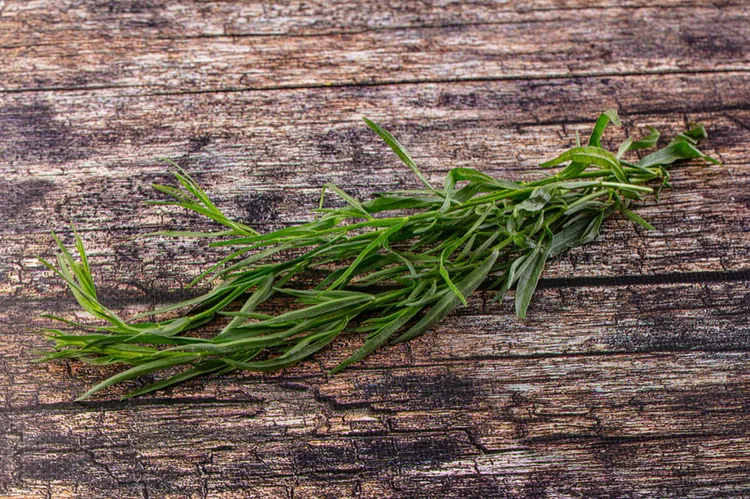
A productive tarragon plant in midsummer will outpace what most home cooks can use fresh, and unlike hardier herbs like rosemary, tarragon wilts fast once cut. Knowing how to store a surplus properly is the difference between wasting a harvest and having good tarragon flavor available through the winter.
Short-Term Fresh Storage
For tarragon you'll use within a week, wrap the stems loosely in a slightly damp paper towel and store them in a partially sealed bag or container in the crisper drawer. Avoid a fully sealed bag - trapped moisture with no airflow speeds up rot rather than preventing it. Stored this way, fresh tarragon usually holds up for 5 to 7 days before it starts to blacken and wilt.
An alternative for slightly longer storage: treat tarragon like cut flowers. Trim the stem ends, stand the bunch upright in a glass with an inch of water, and loosely cover the leaves with a plastic bag before refrigerating. Change the water every couple of days.
Freezing Tarragon
Freezing preserves tarragon's flavor better than drying does, since the anise-forward oils that give tarragon its character are more volatile than in heartier herbs like thyme or oregano. There are two reliable methods:
Freezing in Oil or Butter
Finely chop fresh tarragon and pack it into ice cube tray compartments, then top each with olive oil or melted butter and freeze. Once solid, pop the cubes into a freezer bag for long-term storage. This method is especially good because the frozen cubes can go straight into a hot pan for a quick pan sauce or into a simmering soup without thawing first. This is the same base method used for our tarragon compound butter, just frozen in smaller portions for everyday use.
Freezing Whole Leaves
Strip leaves from the stems, spread them in a single layer on a baking sheet, and freeze until solid before transferring to a freezer bag. This keeps portions loose rather than frozen into a solid block, so you can pull out just what you need. Frozen whole leaves work well added directly to soups, stews, and sauces near the end of cooking.
Either method holds good flavor for 6 to 9 months in the freezer.
Drying Tarragon
Drying is the least effective method for preserving tarragon's specific flavor - a significant amount of the anise character is lost in the process, and dried tarragon tastes noticeably flatter than fresh or frozen. That said, it's useful for shelf-stable storage or when freezer space is limited.
To air-dry, tie small bunches of stems together and hang them upside down in a dark, well-ventilated spot for 1 to 2 weeks, until the leaves crumble easily. A dehydrator set to a low temperature (around 95°F to 100°F) works faster, usually taking a few hours. Once fully dry, strip the leaves from the stems and store them whole rather than crushed - crushing releases more surface area for the flavor to escape, so whole dried leaves keep their potency longer. Store in an airtight container away from light and heat, and use within 6 months for the best flavor, since dried tarragon fades faster than sturdier dried herbs.
Infusing Vinegar
Tarragon vinegar is a classic use for a surplus and a genuinely useful pantry item. Pack fresh tarragon sprigs into a clean glass bottle or jar, cover completely with white wine vinegar or white vinegar, and let it steep in a cool, dark spot for 2 weeks, shaking occasionally. Strain out the solids and store the finished vinegar in a sealed bottle - it keeps for months and adds an easy tarragon note to vinaigrettes, like the one in our tarragon vinaigrette recipe, without needing fresh leaves on hand.
Which Method to Choose
- Using it within a week: Damp paper towel storage in the fridge
- Want the closest flavor to fresh: Freeze in oil or butter
- Need it for soups and stews later: Freeze whole leaves
- Want shelf-stable, no freezer space: Air-dry or dehydrate
- Want a ready-to-use pantry staple: Infuse into vinegar
For more on keeping a tarragon plant productive enough to generate this kind of surplus in the first place, see our guide on harvesting and pruning tarragon, or head back to the complete tarragon guide for the full picture.
Latest