How to Grow Mint Without Letting It Take Over
A containment-focused guide to growing mint - why it spreads so aggressively, and how to grow it in pots or buried barriers without it overtaking the garden.
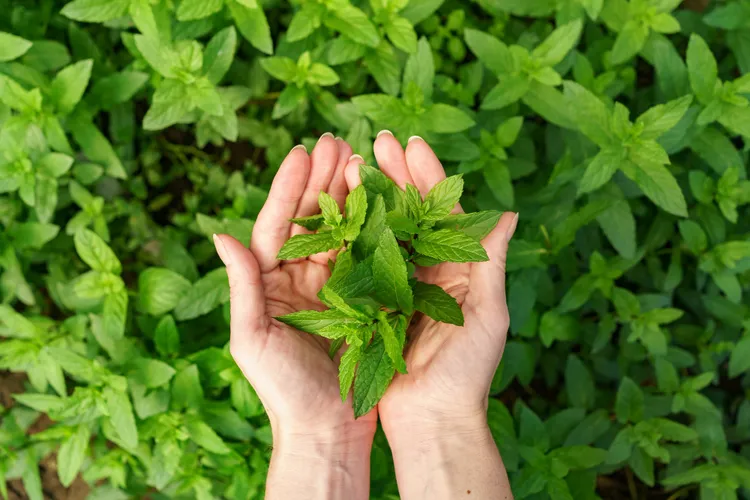
Mint is one of the easiest herbs to grow successfully and one of the easiest to regret planting carelessly - the difference almost entirely comes down to containment, not general plant care.
Why Containment Is the Whole Game
Mint spreads through underground rhizomes that travel independently of the main plant, sending up new shoots as they go. Planted directly in open garden soil, a single mint plant can spread several feet within one growing season, crowding out neighboring plants and becoming extremely difficult to fully remove later, since any small root fragment left in the soil can regrow into a new plant. This is fundamentally different from how most garden herbs behave, and it's the single most important thing to understand before planting mint anywhere.
Growing in Containers
The simplest and most reliable containment method is growing mint in a freestanding pot, with no direct contact between the pot's soil and the ground. A container at least 12 inches wide and deep gives mint's vigorous root system enough room while keeping it fully separated from garden soil. Use a well-draining potting mix, and don't worry about being especially gentle with the plant - mint tolerates fairly aggressive harvesting and is genuinely hard to kill through neglect, in sharp contrast to how easily it takes over if left unchecked.
If you want mint near an in-ground garden bed for convenience, placing a container directly on top of the soil (rather than burying it) keeps the containment intact while still letting the mint sit visually alongside other plants.
Growing With a Buried Barrier
For gardeners who want mint growing directly in the ground rather than in a visible pot, a buried barrier is the standard workaround. Bury a bottomless container - a large plastic pot with the bottom cut out, or a section of PVC pipe - into the ground, leaving a few inches of the rim above the soil line. Plant the mint inside this buried barrier. The below-ground walls prevent the rhizomes from spreading outward, while the above-ground rim helps prevent shoots from arching over the top and rooting in the surrounding soil, a real risk if the barrier sits flush with the ground.
This method requires more upfront effort than a simple container, but it gives mint a permanent spot in a garden bed without the ongoing risk of it spreading uncontrolled.
Sun and Watering
Mint tolerates a wider range of light conditions than most of the herbs in this series - full sun to partial shade both work, and in hot climates some afternoon shade actually helps prevent the leaves from wilting or scorching. Unlike drought-tolerant Mediterranean herbs such as rosemary and thyme, mint prefers consistently moist soil and doesn't handle extended dry spells well. Water regularly enough to keep the soil from fully drying out, adjusting more toward the "keep it moist" end of the spectrum than the "let it dry between waterings" approach that works for other herbs in this series.
Propagation
Mint is one of the easiest herbs to propagate, roots readily from cuttings placed in water, and often self-propagates from stem sections that touch soil, which is part of why containment matters so much in the first place. A cutting placed in a glass of water will typically show roots within a week or two, making it simple to start a new contained plant or share cuttings with someone else, all without needing to deal with an established plant's spreading root system.
Harvesting
Regular harvesting keeps mint bushy and productive, similar to other herbs in this series. Pinch or cut stems just above a leaf node, and don't be shy about taking a substantial amount at once - a healthy, established mint plant regrows quickly and tolerates aggressive harvesting far better than more delicate herbs like tarragon.
Winter Care
Most mint varieties are hardy perennials that die back in winter and return in spring, similar to thyme's hardiness range. In containers, mint can be left outside through most winters in temperate climates, or brought into a sheltered spot during the coldest stretches if you want to protect it further, though this is more of a precaution than a strict necessity for most gardeners.
Once you've got mint properly contained and thriving, the real challenge becomes using it all - see our storage guide for handling a surplus, or head back to the complete mint guide for the full range of recipes.
Latest









