How to Preserve Tomatoes (Canning, Freezing, Drying)
The real food safety rules around canning tomatoes, plus freezing and drying methods for handling a harvest larger than what you can eat fresh.
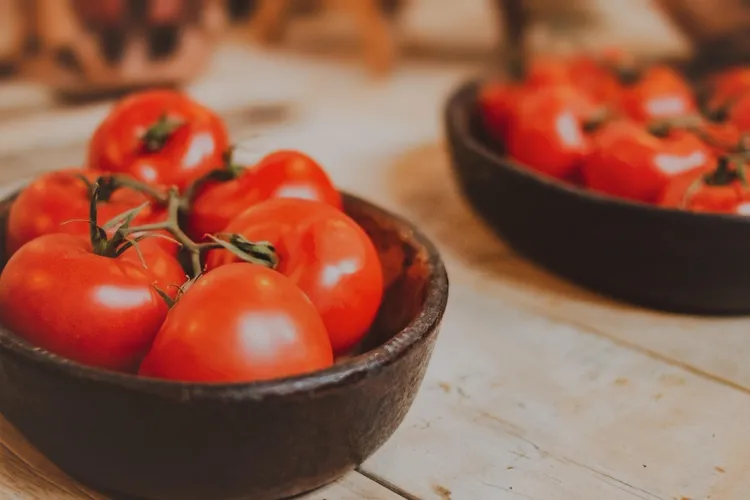
A single productive tomato plant can produce more fruit in a two-week window than most households eat fresh in a month, which makes preservation less of an optional weekend project and more of a practical necessity during peak harvest. Canning, freezing, and drying each preserve a different aspect of the tomato, and picking the right one depends on how you plan to use it later.
Canning: The Acidity Question
Canning tomatoes safely comes down almost entirely to one variable: acidity. Botulism spores, the organism at the center of canning safety, cannot grow in a sufficiently acidic environment, which is why tomatoes, historically classified as a high-acid food safe for simple water-bath canning, have become a more complicated case in recent decades.
Modern tomato varieties are bred for sweetness and lower acidity compared to heirloom varieties from a century ago, and some modern varieties fall close to or below the pH threshold (4.6) considered safe for water-bath canning on their own. This is precisely why every reputable modern canning recipe calls for added bottled lemon juice or citric acid, regardless of how acidic the tomatoes taste, since taste is not a reliable indicator of actual pH. A standard, widely used guideline is 2 tablespoons of bottled lemon juice (not fresh, which varies in acidity) or 1/2 teaspoon citric acid per quart jar of tomatoes.
Skipping the added acid, using fresh lemon juice instead of bottled, or eyeballing the amount are all genuine food safety risks, not minor technique variations. If you're new to canning, follow a tested recipe from a source like the USDA's National Center for Home Food Preservation exactly, rather than adapting a family recipe that predates modern low-acid tomato varieties.
Freezing: The Low-Effort Option
Freezing whole or roughly chopped tomatoes requires no special equipment or acid adjustment, which makes it the most accessible preservation method for a home cook who isn't set up for canning. The texture change is real, frozen and thawed tomatoes turn noticeably softer and release more liquid than fresh, which makes them unsuitable for raw applications like salads but perfectly fine for anything headed into a cooked sauce or stew anyway.
- Whole tomatoes: Wash, dry, and freeze whole on a tray before transferring to a freezer bag. Skins slip off easily under warm water once thawed, no blanching required.
- Tomato sauce or purée: Cook down first, then freeze in portioned containers or freezer bags, flattened for faster thawing and more compact storage.
- Shelf life: Frozen tomatoes hold reasonable quality for 8 to 12 months in a standard freezer, though flavor and texture slowly decline past that window rather than becoming unsafe.
Drying: Sun-Dried and Oven-Dried
Drying removes the large majority of a tomato's water content, concentrating sugar, acid, and glutamate dramatically and producing an intensely flavored ingredient rather than a substitute for fresh tomato. Fully sun-dried tomatoes traditionally take 4 to 11 days of direct outdoor sun exposure, which requires a consistently hot, dry climate that many home cooks don't have reliable access to.
Oven-drying at a low temperature, around 200°F (93°C), achieves a comparable result indoors in 4 to 6 hours for a semi-dried texture, or somewhat longer for a fully dried, shelf-stable product. Our Semi-Dried Tomatoes recipe uses this exact oven method, producing a texture that's still slightly succulent rather than fully leathery, which most home cooks find more versatile for everyday use.
- Semi-dried, stored in oil: Refrigerate in an airtight container, layered in olive oil for extra preservation. Use within 1 to 2 weeks for best quality, longer if fully submerged in oil and kept cold.
- Fully dried, unoiled: Stored in an airtight container at room temperature, away from light, fully dried tomatoes keep for several months.
- A food safety note on oil storage: Garlic or herbs added to oil-packed dried tomatoes at room temperature carry a real botulism risk if stored improperly; refrigeration is the safer default for any oil-packed preparation, not room temperature.
Choosing a Method Based on End Use
- Planning to make sauce later: Freezing whole or as purée is the least effort for the best downstream result.
- Want shelf-stable jars for the pantry, not the freezer: Canning, following a tested acidified recipe exactly.
- Want a concentrated, intensely flavored ingredient for pizzas, pastas, and salads: Drying, oven or sun, stored in oil in the fridge or dry at room temperature.
Using What You've Preserved
Dried tomatoes work particularly well folded into savory bakes, our Tuscan Butter Potatoes and Arugula Lentil Salad both use them for concentrated flavor in a way fresh tomato couldn't replicate. Frozen or canned tomatoes are the natural base for anything simmered, like our Tomato and Black Bean Stew.
Water-Bath Canning: Step by Step
For gardeners ready to can tomatoes at home, the basic process, once acidification is handled correctly, follows a consistent sequence: wash and peel tomatoes (typically by blanching, per the peeling guidance covered in the cooking methods guide), pack into sterilized jars, add the correct amount of bottled lemon juice or citric acid per jar size, add salt if desired for flavor (optional, doesn't affect safety), remove air bubbles, wipe jar rims clean, apply lids, and process in a boiling water bath for the time specified by a tested recipe, which varies by jar size and tomato preparation (whole, crushed, or juiced) and typically runs from 35 to 85 minutes.
Processing time and altitude adjustments both matter for safety, not just quality; higher altitudes require longer processing times since water boils at a lower temperature as elevation increases, meaning the same processing time delivers less heat treatment at altitude than at sea level. Any tested recipe from a reputable source will include altitude adjustment tables.
Signs a Canned Jar Has Failed and Should Be Discarded
- Lid that doesn't seal (flexes when pressed): Refrigerate and use promptly rather than storing at room temperature.
- Bulging lid on a previously sealed jar: Discard without tasting; a strong indicator of unsafe gas-producing bacterial activity inside.
- Cloudy liquid, unusual odor, or spurting liquid when opened: Discard without tasting.
- Visible mold: Discard the entire contents, not just the moldy portion.
Properly sealed, correctly processed jars stored in a cool, dark place typically maintain good quality for 12 to 18 months, though they generally remain safe (if declining in quality) considerably longer than that, provided the seal has held.
Freezer Storage Best Practices
Air exposure is the main quality threat for frozen tomatoes, leading to freezer burn and off-flavors over time. Removing as much air as possible before sealing, whether using a vacuum sealer or simply pressing air out of a freezer bag by hand before sealing, meaningfully extends how long frozen tomatoes hold good quality. Labeling with the freeze date is a small habit that pays off later, since it's easy to lose track of how long something's been in the freezer once several seasons of preserving start to accumulate.
Thawed frozen tomatoes should generally be used within a day or two rather than refrozen, both for quality and basic food safety reasons that apply to most thawed foods.
Combining Preservation Methods
These three methods aren't mutually exclusive within a single harvest. A common approach during peak season: freeze the bulk of a large harvest quickly with minimal processing time, since freezing requires the least active effort per pound of tomatoes; can a portion for shelf-stable pantry storage, useful for a household without abundant freezer space; and dry a smaller amount specifically for concentrated flavor applications where fresh or frozen tomato wouldn't work as well. Splitting a large harvest across methods, rather than committing everything to one approach, also hedges against any single method's limitations, freezer space running out, or canning taking longer than a single session allows.
Preservation and the Rest of the Garden
Preservation timing often needs to compete with other demands during peak harvest season, when tomatoes typically aren't the only crop ripening at once. Realistic planning, setting aside a specific afternoon or weekend for a canning or drying session rather than hoping to fit it in "sometime," tends to produce better results than attempting preservation reactively once tomatoes have already started to decline in quality on the counter.
For the complete lifecycle, from seed to plate, see the complete Tomatoes: Seed to Plate guide.
A Quick Reference by Goal
- Shelf-stable pantry storage: Canning, following a tested, acidified recipe exactly.
- Least effort, freezer space available: Freezing, whole or as sauce.
- Concentrated flavor for specific dishes: Drying, oven or sun-based.
Starting Small Before Scaling Up
For anyone new to home preservation, particularly canning, starting with a small batch, a single canner load rather than an entire harvest at once, builds confidence with the process and timing before committing a full weekend and a large volume of tomatoes to a method that's still unfamiliar. Freezing carries much lower stakes for a first attempt, since there's no acidification step to get right and mistakes mostly affect quality rather than safety, making it a reasonable starting point before moving on to canning in a later season.
Frequently Asked Questions
Do I need special equipment to can tomatoes at home? A large pot deep enough to fully submerge jars with an inch or two of water above the lids, a jar lifter, and standard canning jars with new lids cover the essential equipment. A dedicated water-bath canner is convenient but not strictly required if you already have a suitably large, deep pot.
Can I reuse canning lids? Standard metal canning lids with a sealing compound are designed for single use; reusing them risks a failed seal, which is a genuine safety concern rather than just an inconvenience. Jars and screw bands can be reused indefinitely if undamaged.
How do I know if my tomato variety is naturally acidic enough to skip added acid when canning? You generally can't tell reliably by taste or variety name alone, since acidity varies by growing conditions and ripeness even within the same variety from year to year. This is exactly why tested recipes call for added acid regardless of variety, removing the guesswork entirely.
Is freezer-burned tomato still safe to eat? Freezer burn affects texture and flavor quality but doesn't make food unsafe. A freezer-burned tomato is generally fine to use in a cooked dish where texture matters less, even if it's no longer appealing on its own.
Preservation as an Ongoing Skill
Like most kitchen techniques, home preservation improves with repetition more than with reading. A first canning session that takes twice as long as a recipe estimates, or a first dehydrating batch that comes out slightly over- or under-dried, is a completely normal part of learning the method, not a sign it isn't worth continuing with in future seasons.
Preservation Pays Off Beyond the Season It Was Made In
A well-stocked pantry or freezer of preserved tomatoes extends the value of a single growing season well into the following winter, when fresh, flavorful tomatoes aren't realistically available at any price. The effort spent preserving during peak summer abundance is, in a real sense, an investment in meals many months away, which is worth keeping in mind on a hot afternoon when canning feels like more trouble than it's worth in the moment.
Labeling and Organizing a Preserved Stock
Once preservation efforts across a season add up, canned jars, frozen bags, and dried batches, keeping them organized and clearly labeled with contents and date becomes genuinely important for actually using them well. A simple system, front-to-back rotation with older preserved tomatoes used first, and clear labels rather than relying on memory to distinguish similar-looking jars or bags, prevents both waste and the mild frustration of discovering an unlabeled, mystery jar months later.
Latest









