Keto Food List: What to Eat and What to Avoid
A complete, beginner-friendly list of keto-approved foods, foods to cut, and the sneaky high-carb items that catch most beginners off guard. Use this as a reference for your first few weeks of grocery shopping.
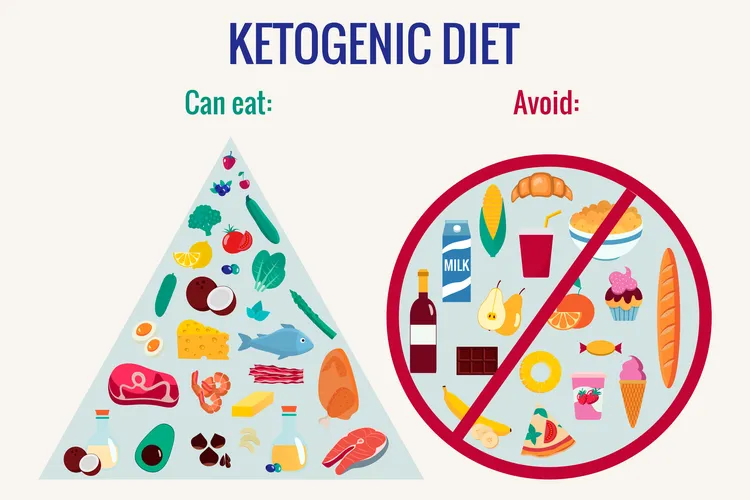
The first grocery run on keto is the hardest. Half of what looks healthy - fruit, whole grains, legumes, low-fat yogurt - doesn't fit. And some things you'd expect to be fine have enough carbs to matter at 20g per day. This list covers everything clearly so you can shop with confidence.
Foods to Eat Freely
Meat and Fish
- Beef (all cuts - ground beef, steaks, roasts)
- Pork (chops, shoulder, belly, bacon)
- Chicken and turkey (thighs and legs have more fat than breast)
- Lamb, venison, bison
- Salmon, sardines, mackerel, herring, tuna, cod
- Shrimp, crab, lobster
Plain, unprocessed meat and fish = 0g carbs. For reliable dinner options, keto meatballs with creamy gravy use 80/20 ground beef and come out to roughly 6g net carbs per serving including the sauce. Lemon-butter baked salmon with asparagus covers both protein and a keto-approved vegetable in one pan at 3g net carbs. For a budget dinner that needs zero prep skill, pan-roasted chicken thighs are the easiest option.
Eggs and Dairy
- Whole eggs (0.6g carbs each)
- Hard and semi-hard cheeses: cheddar, mozzarella, gouda, parmesan (~0-1g carbs per oz)
- Butter and ghee (0g carbs)
- Heavy cream (0.4g carbs per tbsp)
- Full-fat sour cream (~1g carbs per 2 tbsp)
- Cream cheese (~1g carbs per 2 tbsp)
Eggs are the most versatile keto food. Egg, spinach and bacon muffins batch-cook in 40 minutes and give you breakfast for the week at under $0.45 per muffin. Garlic scrambled eggs take 5 minutes on busy mornings. Baked avocado eggs with bacon are worth making on weekends when you have a few extra minutes.
Low-Carb Vegetables
- Spinach (~1g net carbs per cup raw)
- Kale (~2g net carbs per cup)
- Cabbage (~2g net carbs per cup shredded). Try as a lemon-infused cabbage salad with olive oil - a zero-effort side dish.
- Zucchini (~3g net carbs per cup). Works well as baked zucchini fritters with goat cheese.
- Broccoli (~4g net carbs per cup)
- Cauliflower (~3g net carbs per cup). The base for keto cauliflower mac and cheese - a genuine comfort food replacement.
- Asparagus (~2g net carbs per cup)
- Cucumber (~3g net carbs per cup)
- Avocado (~2g net carbs per half)
- Mushrooms (~2g net carbs per cup)
- Lettuce and salad greens (~1g net carbs per cup)
Fats and Oils
- Olive oil, avocado oil, coconut oil
- Butter and ghee
- Lard and tallow
- Mayonnaise (check labels - some brands add sugar)
Nuts and Seeds (in moderation)
- Macadamia nuts: ~2g net carbs per oz
- Pecans: ~1g net carbs per oz
- Almonds: ~3g net carbs per oz
- Walnuts: ~2g net carbs per oz
If you want to turn this food list into an actual day of eating, the Consillar meal planner lets you enter your keto macro targets and get matched recipes instantly.
Foods to Avoid
- Grains: bread, pasta, rice, oats, cereal, crackers, flour of any kind
- Sugar and sweets: candy, cake, cookies, ice cream, honey, maple syrup
- Most fruit: bananas (27g carbs), apples (22g), grapes (17g per cup), oranges (15g)
- Starchy vegetables: potatoes (30g per cup), sweet potatoes (27g), corn (30g), peas (14g)
- Legumes: beans, lentils, chickpeas (~20-40g carbs per cup cooked)
- Most condiments: ketchup, BBQ sauce, teriyaki, sweet chili sauce
- Beer: 12-15g carbs per bottle
- Juice and soft drinks: 25-40g carbs per glass
Sneaky High-Carb Foods Beginners Miss
- Onions: 11g carbs per medium onion. Use sparingly as a flavoring, not a main ingredient.
- Tomatoes: 5g net carbs per medium tomato. Fine in small amounts.
- Milk: 12g carbs per cup. Swap for heavy cream or unsweetened almond milk (1g per cup).
- Most protein bars: 15-25g carbs, often from maltitol which still spikes blood sugar.
- Deli meats: Many contain added sugar. Check labels; plain turkey or ham is usually fine.
- Flavored nuts: Honey-roasted cashews (~14g carbs per oz). Always check.
Low-Carb Fruit (Small Amounts Only)
- Strawberries: ~6g net carbs per 1/2 cup
- Raspberries: ~5g net carbs per 1/2 cup
- Blackberries: ~4g net carbs per 1/2 cup
This food list pairs with the beginner's keto diet guide. For a full shopping list built around these foods on a tight budget, see keto on a budget: under $50 a week.
Medical Disclaimer: The information in this article is for educational purposes only and is not medical advice. Always consult a qualified healthcare provider before starting any new diet, especially if you have diabetes, kidney disease, heart conditions, or are pregnant or breastfeeding. Individual results vary.
Latest