Tarragon Mustard Sauce for Chicken, Fish, and Roasted Vegetables
A quick pan sauce recipe that turns the fond left over from searing chicken or fish into a creamy, mustard-forward tarragon sauce in under ten minutes.
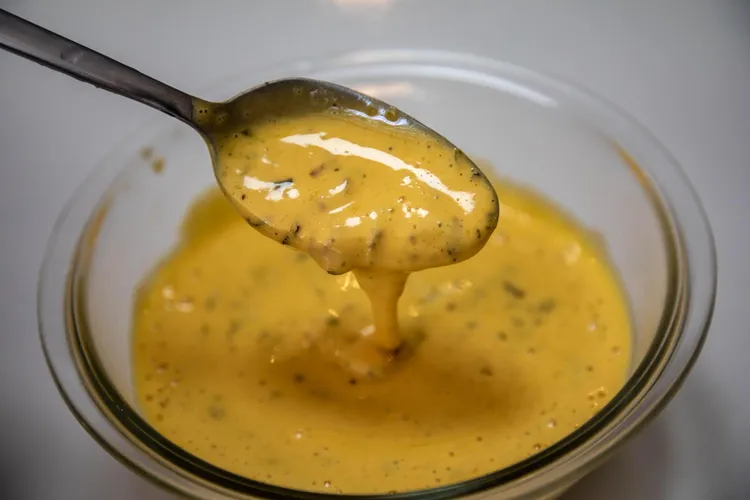
A pan sauce is one of the best-value techniques in cooking - it uses the browned bits left in a pan after searing meat or fish to build a sauce in a few minutes, with almost no extra ingredients or cleanup. Tarragon and mustard is one of the most reliable combinations for this, working across chicken, fish, and vegetables without much adjustment.
Tarragon Mustard Sauce
Prep time: 5 minutes | Cook time: 8 minutes | Makes: about 3/4 cup, enough for 4 servings
Ingredients
- 1 tbsp butter or the fat left in the pan after searing
- 1 small shallot, finely minced
- 1/2 cup chicken broth or white wine (or a mix of both)
- 2 tbsp Dijon mustard
- 1/3 cup heavy cream
- 2 tbsp fresh tarragon, finely chopped
- 1 tsp lemon juice
- Salt and black pepper, to taste
Instructions
- After searing your protein (chicken, fish, or pork all work well), remove it from the pan and set aside. Don't wipe the pan out - those browned bits are the base of the sauce.
- Lower the heat to medium and add the butter to the same pan. Add the shallot and cook, stirring, for about 1 minute until softened and fragrant.
- Pour in the broth or wine, scraping up any browned bits from the bottom of the pan with a wooden spoon. Let it simmer for 2 to 3 minutes to reduce slightly.
- Whisk in the Dijon mustard until smooth, then add the heavy cream. Simmer for another 2 to 3 minutes until the sauce thickens slightly and coats the back of a spoon.
- Stir in the fresh tarragon and lemon juice. Taste and season with salt and pepper.
- Return the cooked protein to the pan to warm through in the sauce, or spoon the sauce directly over it on the plate.
Notes
This sauce comes together fast, so have all your ingredients measured out before you start cooking the protein - there isn't much downtime once you begin building the sauce.
What to Use It On
This sauce works well over pan-seared chicken breast or thighs, pan-seared salmon or white fish, pork chops, or even roasted vegetables like cauliflower or green beans if you want a vegetarian application. It's the same flavor family as our tarragon roast chicken, so serving this sauce alongside that dish (using the roasting pan drippings as the liquid base instead of plain broth) makes for an even more cohesive meal.
Variations
- Lighter version: Use half-and-half instead of heavy cream, or skip the cream entirely and finish with a knob of cold butter whisked in off the heat for richness instead.
- Whole grain mustard: Substituting whole grain mustard for Dijon adds texture and a slightly milder mustard flavor.
- White wine forward: Use all white wine instead of broth for a sharper, more acidic sauce that cuts richer meats well.
- No cream at all: For a thinner, brighter pan sauce, skip the cream and reduce the broth and mustard mixture further until it thickens on its own, finishing with butter and tarragon.
Why Mustard and Tarragon Work Together
Both mustard and tarragon share a slight sharpness - mustard's heat and tarragon's anise edge play off each other rather than competing, which is part of why this combination shows up across so much French home cooking. It's also why a tarragon vinaigrette, which typically includes mustard as well, tastes so cohesive rather than like two separate flavors stacked on top of each other.
For more ways to build tarragon into everyday cooking, see the complete tarragon guide.
Latest