Tomato Nutrition: Lycopene, Vitamins, and What Cooking Changes
The full nutrient profile of a tomato, why lycopene becomes more bioavailable with cooking and fat, and how raw and cooked preparations compare nutritionally.
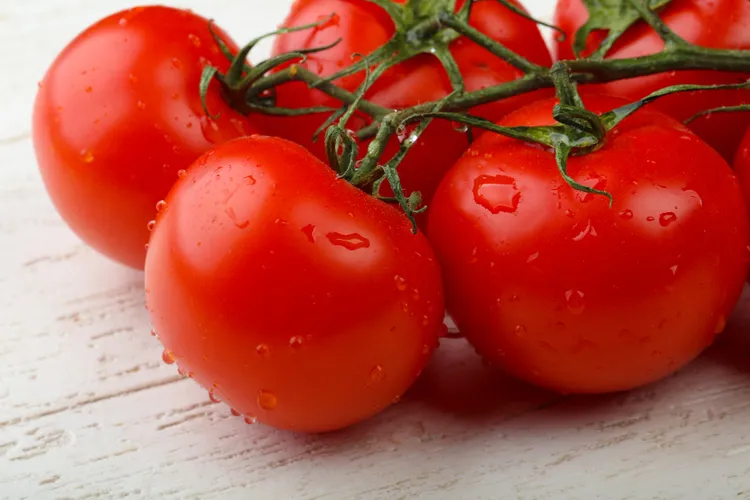
A medium tomato runs about 22 calories and is over 94% water by weight, numbers that make it easy to dismiss nutritionally. That dismissal misses the more interesting part: what's in the remaining 6% and how cooking changes its availability to your body.
Macro and Calorie Profile
A medium tomato (about 123g) contains roughly:
- Calories: ~22 kcal
- Carbohydrates: ~4.8g, including about 1.5g fiber and 3.2g natural sugar
- Protein: ~1.1g
- Fat: ~0.2g, negligible
These are estimates and vary by variety and ripeness; a fully ripe tomato carries somewhat more sugar than an underripe one, since sugar content increases through the final stages of ripening. For precise tracking against a specific meal plan, our nutrition calculators can adjust these figures for different tomato varieties and preparations.
Vitamin and Mineral Content
Tomatoes are a meaningfully good source of vitamin C, a single medium tomato providing roughly 15 to 20% of a typical daily value, along with a solid contribution of vitamin K1 and potassium. Vitamin C is heat-sensitive and water-soluble, so raw preparations preserve more of it than long-simmered sauces, though the loss during typical cooking times is smaller than commonly assumed, usually in the 10 to 20% range rather than a majority loss.
Potassium content is notable too, roughly 5% of daily value per medium tomato, relevant for anyone tracking electrolyte intake alongside a broader diet.
Lycopene: The Nutrient That Gets Better With Cooking
Lycopene is the carotenoid pigment responsible for a tomato's red color, and it's the headline reason tomatoes get singled out nutritionally. What makes it unusual is direction: most heat-sensitive nutrients degrade with cooking, but lycopene's bioavailability, how much your body can actually absorb and use, increases with cooking and with the presence of fat.
The mechanism is structural. Raw lycopene sits in a rigid crystalline form inside plant cell walls that's difficult for the digestive system to break down and absorb. Heat softens cell walls and converts some of the lycopene from its rigid trans-form into a more bioavailable cis-form; fat further improves absorption because lycopene is fat-soluble, meaning it dissolves into and travels with dietary fat during digestion rather than water. This is the biochemical reason tomato sauce cooked with olive oil is a more efficient lycopene source than a raw tomato eaten alone, even though the raw tomato technically contains a comparable or higher total lycopene amount before cooking.
Antioxidant Content Beyond Lycopene
Tomatoes also carry meaningful amounts of beta-carotene and several polyphenol compounds, though lycopene gets most of the attention because tomatoes are one of the most concentrated dietary sources of it. Cherry and grape tomato varieties tend to carry higher concentrations of these compounds per gram than large slicing tomatoes, a difference driven partly by the higher skin-to-flesh ratio in smaller fruit.
Raw vs. Cooked: A Practical Comparison
- Raw tomatoes: Higher retained vitamin C, lower lycopene bioavailability, higher water content per serving.
- Cooked tomatoes (sauce, roasted, sautéed): Modest vitamin C loss, significantly higher lycopene bioavailability, especially when cooked with a fat source.
- Sun-dried or dehydrated tomatoes: Concentrated calories, sugar, and nutrients per gram since water is removed; a small serving carries proportionally more of everything, including sodium if salt-cured.
Neither preparation is objectively better across the board. A diet with a mix of raw tomato (salads, fresh salsas) and cooked tomato (sauces, roasted dishes) captures the strengths of both rather than optimizing for one nutrient at the expense of the other.
Tomatoes and Glutamate
Tomatoes carry naturally high levels of free glutamate, the amino acid responsible for umami taste, at levels comparable to some aged cheeses. This isn't strictly a nutrition point since glutamate's role is primarily about flavor rather than a nutrient with a daily value, but it's part of why tomato-based dishes register as satisfying and savory without needing much added salt or fat, which has real practical value for lower-sodium cooking. See our food science guide for more on how this works.
A Note on Nightshades
Tomatoes belong to the nightshade family, along with potatoes, peppers, and eggplant, and contain small amounts of solanine and other alkaloids, concentrated mostly in the green, unripe parts of the plant rather than the ripe fruit. For the large majority of people, ripe tomato consumption carries no meaningful nightshade concern. A small subset of people report sensitivity to nightshades generally; if that applies to you, it's worth discussing with a healthcare provider rather than assuming general nutrition information applies to your specific situation.
How Tomato Nutrition Compares to Other Common Vegetables
Relative to other common raw vegetables, tomatoes are moderate in most nutrients on a per-calorie basis rather than being a standout in any single category besides lycopene and vitamin C. Bell peppers, for comparison, carry considerably more vitamin C per serving; leafy greens like spinach carry more vitamin K and iron. What sets tomatoes apart isn't dominance in a broad nutrient category, it's being one of the most concentrated common dietary sources of lycopene specifically, a compound not widely available elsewhere in the typical diet outside of watermelon and pink grapefruit.
Lycopene Content by Preparation
Research measuring bioavailable lycopene across different tomato preparations has generally found the following pattern, useful as a rough practical guide rather than precise figures: raw, chopped tomato sits at the lower end of bioavailable lycopene; tomato juice and paste, both of which involve some processing and heat, sit meaningfully higher; and tomato sauce cooked with oil tends to show among the highest bioavailability of common preparations, since it combines both the heat-driven structural changes and the fat-driven absorption boost in a single dish.
This doesn't mean raw tomato is nutritionally pointless, raw preparations retain more vitamin C and offer a different, valuable nutrient profile, but if lycopene specifically is the priority, a cooked, oil-containing preparation is the more effective choice.
Sodium Considerations in Processed Tomato Products
Fresh tomatoes are naturally very low in sodium, but many processed tomato products, canned tomatoes, tomato sauce, sun-dried tomatoes cured with salt, carry added sodium that can add up quickly if consumed in volume. Reading labels on canned or jarred tomato products matters more than it might seem, since sodium content varies considerably between brands and product types even within the same category. Home-canned or home-dried tomatoes give direct control over this, since you decide how much (or how little) salt goes in.
Tomatoes in the Context of a Broader Diet
No single food, tomatoes included, meaningfully changes health outcomes in isolation; nutrition research on lycopene and cardiovascular or certain cancer risk markers generally studies tomato consumption as part of an overall dietary pattern rather than as a standalone intervention. The practical takeaway isn't that eating more tomatoes alone accomplishes something dramatic, it's that regularly including tomatoes, particularly cooked with a healthy fat source, is a reasonable, well-supported piece of an overall varied, vegetable-forward diet.
For anyone tracking macros or micronutrients closely, whether for a specific health goal or general awareness, our nutrition calculators can help translate general figures like the ones in this guide into numbers specific to your actual recipes and portion sizes.
A Practical Takeaway
If lycopene absorption specifically is a goal, favor cooked preparations with some added fat, olive oil in a sauce, for instance, over raw tomato eaten alone. If maximizing vitamin C retention is the goal, favor raw or lightly cooked preparations. Most home cooking naturally includes a mix of both across a week of meals, which in practice captures the benefits of each approach without requiring any deliberate optimization.
For the complete lifecycle, from seed to plate, see the complete Tomatoes: Seed to Plate guide. For the chemistry behind why cooking changes flavor so dramatically, see our food science guide.
A Quick Nutrition Summary
- Calories: Roughly 22 kcal per medium tomato, very low relative to volume.
- Standout nutrients: Lycopene, vitamin C, vitamin K1, potassium.
- Best for lycopene absorption: Cooked, with a fat source like olive oil.
- Best for vitamin C retention: Raw or lightly cooked.
Why Precise Numbers Are Always Estimates
Nutrient content in any fresh produce, tomatoes included, varies meaningfully based on variety, growing conditions, ripeness at harvest, and even soil composition, which is why any figure quoted here, or on a nutrition label, is a reasonable average rather than an exact measurement for the specific tomato in front of you. This variability is normal and not a sign that the underlying figures are unreliable; it's simply the nature of whole, unprocessed food compared to a manufactured product with a fixed formula.
Frequently Asked Questions
Are canned tomatoes as nutritious as fresh? In several respects, canned tomatoes can actually have higher bioavailable lycopene than fresh raw tomatoes, since the canning process involves heat processing similar to cooking. Vitamin C content is somewhat lower than fresh due to processing losses, but the difference is often smaller than assumed.
Does tomato juice offer the same benefits as whole tomatoes? Tomato juice retains much of the lycopene and mineral content of whole tomatoes, though it typically loses the fiber content since juicing generally removes solid pulp. Added sodium in many commercial tomato juice products is worth checking on the label.
How much tomato would I need to eat to get a meaningful amount of lycopene? There's no single official daily target for lycopene specifically, unlike vitamins with established daily values. Research studies showing cardiovascular or other benefits associated with lycopene intake generally involve regular, repeated consumption over time as part of an overall dietary pattern, not a single large serving.
Are cherry tomatoes more nutritious than large slicing tomatoes? Cherry tomatoes tend to have a higher concentration of several nutrients, including some antioxidants, per gram, partly due to their higher skin-to-flesh ratio. The difference is real but modest, and both types contribute meaningfully to an overall varied diet.
Putting the Numbers to Use
The nutrition figures in this guide are most useful not as isolated facts but as input into actual meal planning, deciding how a tomato-heavy dish fits into a broader day or week of eating. For anyone building out meals with a specific macro or calorie target in mind, treating these figures as a starting estimate rather than an exact number for every specific tomato is the right level of precision for practical cooking.
Nutrition as One Piece of a Bigger Picture
None of the nutrition information here is meant to turn tomato cooking into a purely functional exercise. Flavor, texture, and how a dish fits into a meal matter as much as any individual nutrient figure, and the good news is that the preparations that tend to maximize lycopene absorption, cooked with olive oil, are also simply some of the best-tasting ways to prepare tomatoes in the first place. The nutritional case and the culinary case point in the same direction more often than not.
Nutrition Differences Across Ripening Stages
A tomato's nutrient profile isn't fixed from the moment it's picked; it continues shifting as the fruit ripens, whether on the vine or on the counter. Lycopene and sugar content both increase through the later ripening stages, while measured acidity tends to decrease somewhat, which is part of why a fully ripened tomato isn't just more flavorful than an underripe one, it's also measurably higher in some of the very nutrients this guide focuses on.
Taken together, these details reinforce a simple, practical conclusion: a tomato allowed to ripen fully, then cooked with a bit of good fat, delivers meaningfully more nutritional value than the same tomato eaten underripe and raw.
None of this needs to be tracked precisely meal to meal; simply keeping the general pattern in mind over time is enough to capture most of the practical benefit.
Ripeness, in other words, is doing real nutritional work, not just a matter of taste preference.
Latest









