The Food Science of Tomatoes: Acidity, Umami, and Ripening
The chemistry behind tomato flavor, acid-sugar balance, why glutamate makes tomatoes naturally savory, and why cooking and cold temperatures each change flavor in opposite directions.
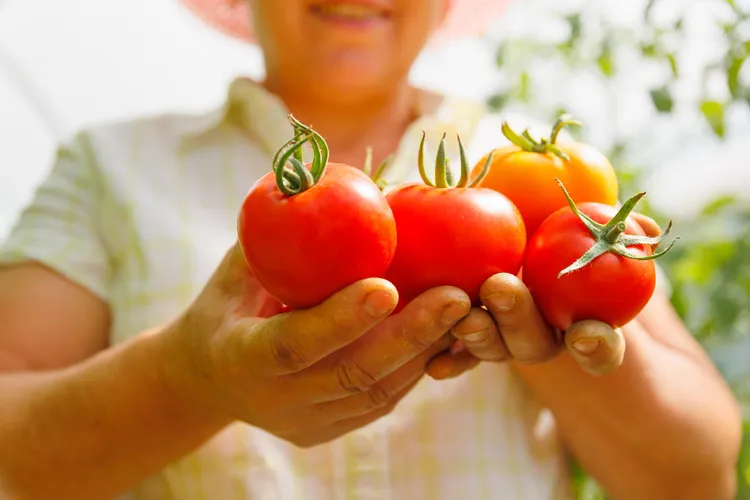
A raw tomato and a slow-simmered tomato sauce share the same starting ingredient but taste almost nothing alike, and the difference isn't just "cooked versus raw." It's acid, sugar, glutamate, and water concentration all shifting at once, in ways that explain most of the practical cooking decisions in this guide.
The Acid-Sugar Balance
Tomato flavor is fundamentally a balancing act between acid (mostly citric and malic acid) and sugar (mostly glucose and fructose), and the ratio between them, more than the absolute amount of either, is what a taster perceives as "ripe and balanced" versus "sour" or "flat." A tomato picked underripe has high acid relative to sugar, reading as sharp or tart. A fully ripe tomato has more sugar relative to acid, reading as sweeter and rounder even though the actual acid content hasn't dropped by much.
This is also why a squeeze of lemon or a pinch of sugar are the two most common fixes for an unbalanced tomato sauce: they're direct interventions on the same ratio that ripeness naturally controls in the raw fruit.
Why Cooking Concentrates Flavor
Raw tomato flesh is over 94% water. As a sauce simmers, water evaporates while the dissolved solids, sugars, acids, and glutamate, stay behind and become proportionally more concentrated in the remaining liquid. This is straightforward physics, not a special tomato property, but tomatoes show the effect dramatically because they start with so much water to lose. A sauce reduced by half doesn't just get thicker; its flavor compounds are roughly twice as concentrated per spoonful.
This is also why long, slow simmering (30 to 90 minutes depending on the sauce) produces a noticeably deeper flavor than a quick 10-minute cook, even using identical ingredients. The extra time isn't about "melding flavors" in some vague sense; it's measurable water loss and concentration.
Umami and Free Glutamate
Tomatoes carry unusually high levels of free glutamate for a fruit, comparable in concentration to parmesan cheese and cured meats, both well-known umami sources. Glutamate triggers the umami taste receptor directly, registering as savory depth rather than sweetness, sourness, saltiness, or bitterness. This is a big part of why tomato-based dishes taste satisfying and rounded even with modest amounts of added salt or fat; the glutamate is doing real perceptual work on its own.
Cooking increases free glutamate availability further, since heat breaks down proteins and releases bound glutamate into its free, tastable form, which is part of why a cooked tomato sauce reads as more savory than the equivalent amount of raw tomato.
Why Tomato Paste Punches Above Its Weight
Tomato paste is tomatoes reduced dramatically, often to roughly a fifth of their original volume, which concentrates sugar, acid, and glutamate accordingly. A small spoonful of paste added early in a dish, cooked briefly in fat before adding liquid, develops noticeably deeper flavor than the same amount of paste stirred in at the end. Briefly frying tomato paste (a technique sometimes called "toasting" the paste) triggers Maillard browning reactions in the paste's sugars and proteins, adding a roasted depth that raw paste doesn't have.
The Chemistry Behind Roasting
Roasting tomatoes at high heat does two things simultaneously: it evaporates surface moisture the same way simmering does, and it triggers caramelization and Maillard browning on any surface that gets hot and dry enough, typically the cut edges and skin. This is why roasted tomatoes taste noticeably sweeter and more complex than simmered ones, even at a similar level of water loss; simmering happens in liquid and never gets hot enough to brown, while roasting's dry heat does. See our cooking methods guide for how this plays out across different techniques.
Why Acidity Matters for Preservation, Not Just Flavor
Tomatoes sit right at the edge of the pH threshold that separates high-acid foods (generally safe for basic water-bath canning) from low-acid foods (which require pressure canning to safely eliminate botulism risk). Modern tomato varieties, bred for sweetness and reduced acidity compared to older varieties, sometimes fall below the safe threshold for water-bath canning on their own, which is why reputable canning recipes call for added lemon juice or citric acid regardless of how acidic the tomatoes taste. This isn't a flavor consideration; it's a genuine food safety one, covered in more detail in our preservation guide.
Why Cold Temperatures Damage Flavor
The aroma compounds responsible for "tomato smell," largely a group of volatile organic compounds produced by enzyme activity within the fruit's cells, are sensitive to chilling injury below about 55°F (13°C). Cold temperatures damage the cell membranes that keep these enzyme systems compartmentalized and functional, permanently reducing aroma compound production even after the tomato returns to room temperature. This is the specific mechanism behind the storage advice covered in our storage guide: it's not a texture preference, it's measurable chemistry.
The Role of Pectin in Sauce Texture
Tomatoes contain pectin, a structural carbohydrate found in the cell walls, that plays a direct role in how a simmered sauce thickens over time. As tomato cells break down under heat, pectin is released into the surrounding liquid, where it contributes to the sauce's body independent of simple water evaporation. This is part of why a long-simmered sauce made from whole, crushed tomatoes tends to have a naturally silkier body than one made purely from strained tomato liquid with the solids removed early, since much of the pectin lives in the cell walls and skins that get discarded in the straining process.
Why Different Tomato Varieties Cook Differently
The food science explanation for why paste tomatoes suit sauce better than slicing tomatoes comes down to cell structure, not just water content in isolation. Paste tomato varieties have been bred over generations for thicker cell walls and less internal gel and seed cavity relative to flesh, meaning a given weight of paste tomato contains proportionally more of the dense flesh that holds flavor and structure, and less of the watery gel that mostly needs to be cooked off. This is a structural difference, not simply "less water," which is part of why swapping paste tomatoes for slicing tomatoes in a sauce recipe (or vice versa) changes cooking time meaningfully, not just final texture.
The Maillard Reaction in Tomato Cooking
The Maillard reaction, the browning process responsible for seared meat, toasted bread, and roasted vegetables generally, requires both heat above roughly 280°F (140°C) and a relatively dry surface, conditions that a simmering sauce (which stays at or near water's 212°F/100°C boiling point, in a wet environment) never reaches. This is precisely why roasting produces a different flavor profile than simmering even when using the same tomato: only roasting gets hot and dry enough at the surface to trigger genuine Maillard browning, versus the simmering method which relies more on water loss and simple flavor concentration rather than new flavor compound formation through browning.
Frying tomato paste briefly in oil before adding liquid works the same way on a smaller scale: the paste, being much lower in water than whole tomatoes, can reach Maillard-triggering temperatures in a hot pan for the short window before liquid is added, generating browned, roasted notes that boiling the same paste directly in liquid never would.
Why Salt Timing Matters for Tomato Dishes
Salting tomatoes early, whether raw sliced tomatoes resting before a salad or tomatoes added early to a simmering sauce, draws out moisture through osmosis, since salt increases the concentration gradient across the cell membrane and pulls water out. For raw preparations, this is often desirable, concentrating flavor in the remaining flesh. For a sauce, salting early versus late has a smaller practical effect since the tomatoes are being broken down and reduced regardless, but many cooks still prefer salting toward the end of cooking for a sauce, since it's easier to judge the correct final seasoning once the liquid has already reduced and concentrated, rather than guessing at the start and risking an oversalted result after reduction.
How This Chemistry Connects to the Rest of the Guide
Every practical recommendation elsewhere in this guide, using olive oil with cooked tomato, choosing paste tomatoes for sauce, avoiding refrigeration, adding lemon juice when canning, traces back to one of the chemical mechanisms covered here. Understanding the "why" behind these rules makes it easier to improvise confidently rather than following instructions without knowing what they're actually accomplishing, whether that's in the cooking methods guide or the preservation guide.
For the complete lifecycle, from seed to plate, see the complete Tomatoes: Seed to Plate guide.
A Summary of the Key Mechanisms
- Acid-sugar balance determines whether a tomato reads as sharp or sweet, and shifts as the fruit ripens.
- Water loss during cooking concentrates flavor compounds proportionally, which is why longer simmering deepens flavor.
- Free glutamate gives tomatoes natural umami, increased further by cooking.
- Maillard browning only occurs with dry, high heat, which is why roasting and frying paste taste different from simmering.
Why This Matters Beyond Curiosity
None of this chemistry is purely academic. Every one of these mechanisms maps directly onto a kitchen decision covered elsewhere in this guide, which tomato variety to buy for a given dish, whether to roast or simmer, when to add salt, how much fat to include. Understanding the reasoning, rather than memorizing a list of disconnected tips, is what makes it possible to adapt a recipe intelligently when the exact ingredients or tomato variety on hand don't quite match what a recipe calls for.
Frequently Asked Questions
Why does adding sugar to tomato sauce work so well? Sugar directly addresses the acid-sugar balance described above. An underripe or naturally more acidic tomato variety has more acid relative to sugar than a fully ripe one, and a small sugar addition rebalances that ratio toward what a perfectly ripe tomato would have delivered on its own.
Does the color of a tomato affect its flavor chemistry? Yellow and orange tomato varieties generally carry different carotenoid profiles than red ones, often lower in lycopene specifically but sometimes higher in beta-carotene, and tend to read as slightly less acidic to most tasters, though this varies by specific variety rather than being a strict rule by color alone.
Why do canned tomatoes sometimes taste more acidic than fresh ones? This is partly due to the added acid (lemon juice or citric acid) required for safe canning, and partly because the canning and heat processing itself can shift perceived acidity slightly compared to a fresh tomato at the same actual pH.
Is there a difference between cooking tomatoes in a stainless steel pot versus a reactive metal pot? Tomatoes' acidity can react with reactive metals like aluminum or unlined copper, potentially imparting a metallic taste and, in the case of aluminum, leaching small amounts of metal into the food. Stainless steel, enameled cast iron, or other non-reactive cookware is the standard recommendation for cooking tomato-based dishes for this reason.
From Chemistry to the Kitchen
None of the mechanisms covered here require a chemistry background to apply. Once the basic pattern is familiar, more sugar and less acid reads as riper and sweeter, more heat and less water reads as more concentrated, more dry heat produces browning that wet heat can't, the specific numbers matter far less than recognizing which lever to pull when a dish isn't turning out the way you want.
A Foundation for Everything Else in This Guide
This chemistry underlies every other stage covered elsewhere in the framework, why certain varieties suit certain methods, why pairings work the way they do, why storage temperature matters so much. Treating this guide as foundational rather than a standalone curiosity piece makes the rest of the framework click into place more clearly, since the reasoning behind nearly every other recommendation traces back to one of the mechanisms described here.
None of this science requires memorization to be useful. Even a rough intuitive grasp, ripe means more sugar, cooking means more concentration, dry heat means more browning, carries most of the practical value into everyday cooking decisions.
Latest









