What to Pair With Mint: Proteins, Fruits, and Other Herbs
A practical pairing guide covering what works naturally with mint across both sweet and savory applications - proteins, fruits, dairy, and drinks.
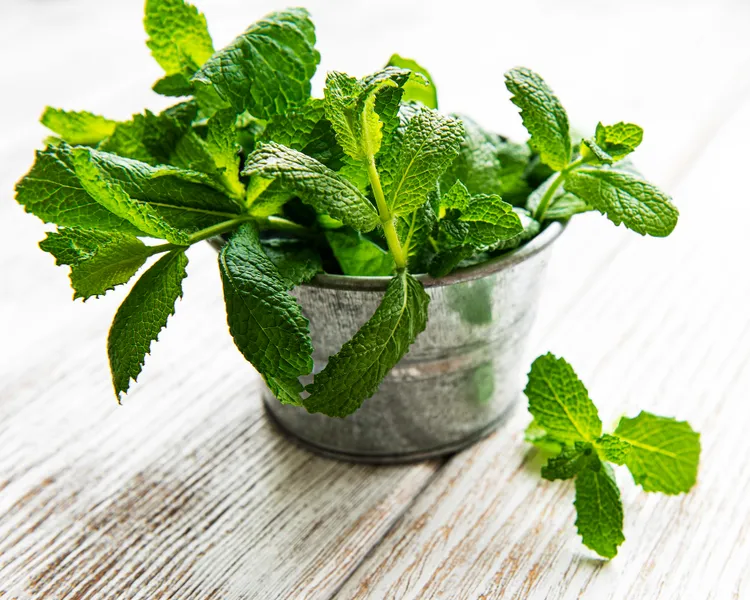
Mint has one of the widest pairing ranges of any herb in this series, spanning both sweet and savory food in a way that most herbs don't manage. This guide covers what works, so you can start reaching for mint on instinct rather than only in fixed recipes.
Proteins
- Lamb: The single most classic pairing across multiple cuisines - see our mint sauce and mint pesto.
- Chicken: Works well in yogurt-based marinades and sauces, similar to our mint yogurt sauce.
- Fish: A less obvious but reasonable pairing, particularly in a chimichurri-style sauce like our mint chimichurri.
Fruits
- Watermelon: One of the best-known pairings, as in our watermelon mint salad.
- Citrus generally: Lime especially, a natural pairing in drinks and savory dishes alike.
- Berries: Strawberries and mint are a classic dessert and drink combination.
- Peas: Technically a vegetable, but worth calling out - mint and peas is a long-standing, genuinely good pairing, especially in soups and pasta.
Sweets and Chocolate
- Chocolate: A well-established pairing, as in our mint chocolate chip ice cream.
- Honey: Works well in tea and drinks as a natural sweetener alongside mint.
Dairy
- Yogurt: A classic cooling combination across many cuisines, as in our raita-style sauce.
- Feta: A salty counterpart that balances mint's freshness, as in our watermelon salad.
- Cream: Especially in desserts, where cream mellows and carries mint's flavor well.
Other Herbs
- Basil: A common companion, particularly in Southeast Asian cooking and some Mediterranean dishes.
- Cilantro: Frequently paired in South Asian and Southeast Asian cooking, especially in chutneys and yogurt sauces.
- Parsley: A mild, complementary partner used alongside mint in chimichurri-style sauces.
Drinks
- Rum: The classic pairing in a mojito.
- Bourbon: The classic pairing in a mint julep.
- Green tea: The traditional base for Moroccan mint tea.
What to Avoid Pairing With Mint
Mint's cooling, sharp character can clash with subtler, more delicate flavors that get lost against it - very mild white fish or delicate egg dishes, for instance, often work better with a gentler herb. It also doesn't have an especially natural place in heavier, cream-and-butter-forward French cooking, where the herbs covered elsewhere in this site (tarragon, thyme, rosemary) tend to be more traditional choices.
A Simple Way to Start Improvising
A reliable base formula for savory applications: yogurt or olive oil, garlic, a protein or vegetable, a bit of acid (lemon or lime), and mint added fresh at the end or torn in just before serving. For sweet applications: cream or sugar syrup, a complementary fruit or chocolate, and mint infused or muddled in rather than chopped and left whole. Both formulas underlie most of the recipes throughout this guide.
For the full list of recipes and growing information, head back to the complete mint guide.
Latest









