What to Pair With Rosemary: Proteins, Vegetables, and Other Herbs
A practical pairing guide covering what works naturally with rosemary's intense, piney flavor - proteins, vegetables, sweets, and other herbs.
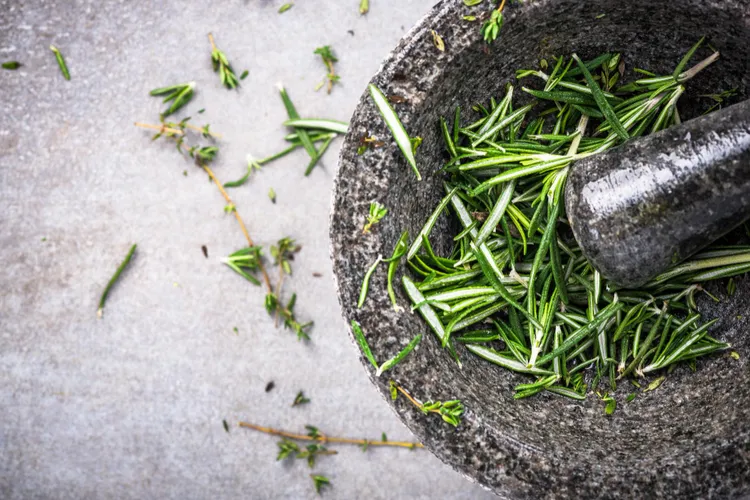
Rosemary's intensity means it doesn't pair as broadly as milder herbs, but within its range it's remarkably reliable. This guide covers what it works with naturally, so you can start reaching for it beyond fixed recipes.
Proteins
- Lamb: The single most classic pairing - rosemary's piney intensity stands up to lamb's richer, gamier flavor better than almost any other herb.
- Chicken: Works especially well roasted, as in our rosemary roast chicken.
- Pork: Particularly good with roasted or grilled pork, where rosemary cuts through the fattier cuts well.
- Beef: Works in stews, roasts, and grilled preparations, especially alongside garlic.
- White fish and shrimp: Works in moderation, especially grilled - see our rosemary skewers for a direct application.
Vegetables
- Potatoes: One of the most reliable pairings in everyday cooking - see our roasted potatoes recipe.
- Carrots and root vegetables: Their natural sweetness balances rosemary's bitterness well, particularly roasted.
- White beans and legumes: A classic, mild base that lets rosemary's flavor come through clearly, as in our white bean soup.
- Mushrooms: Earthy mushrooms pair well with rosemary, particularly sautéed in butter.
- Winter squash: Roasted squash and rosemary is a reliable fall and winter combination.
Fruits and Sweet Applications
- Lemon: One of rosemary's best partners across both savory and sweet applications, cutting through its resinous edge with brightness.
- Citrus generally: Orange also works well, particularly in syrups and baked goods.
- Apples and pears: Rosemary shows up well in fall baking and roasted fruit dishes alongside these.
- Honey: A natural sweetener partner, especially in drinks like our rosemary syrup.
Other Herbs and Aromatics
- Garlic: Almost a default pairing - the two show up together across an enormous range of Mediterranean cooking.
- Thyme: A complementary, slightly milder herb that layers well with rosemary without clashing.
- Sage: Works in similar contexts to rosemary (roasting, butter sauces), though the two are strong enough that using both together can feel crowded - better to choose one as the lead flavor.
- Bay leaf: A common addition alongside rosemary in slow-cooked dishes like stews and braises.
What to Avoid Pairing With Rosemary
Rosemary can overwhelm more delicate flavors - very mild white fish, delicate salad greens, or subtly flavored soft cheeses tend to lose out against rosemary's intensity rather than being complemented by it. It also doesn't sit naturally alongside a lot of Southeast Asian or East Asian flavor profiles, where its resinous character can taste out of place against ingredients like ginger, soy, or fish sauce. As with any strong herb, using less than feels instinctive is usually the safer starting point in an unfamiliar pairing.
A Simple Way to Start Improvising
A reliable base formula: olive oil or butter, garlic, a mild starchy or protein base (potatoes, beans, chicken), and rosemary added either at the start (for a long roast) or at the very end in butter form (for something quicker). That combination underlies most of the recipes throughout this guide, and it's a useful starting point for building a new dish once you're comfortable with how rosemary behaves.
For the full list of recipes and growing information, head back to the complete rosemary guide.
Latest