When and How to Harvest Tomatoes
How to read ripeness cues accurately, why picking slightly early sometimes beats full vine-ripening, and what to do with the green tomatoes still on the vine at first frost.
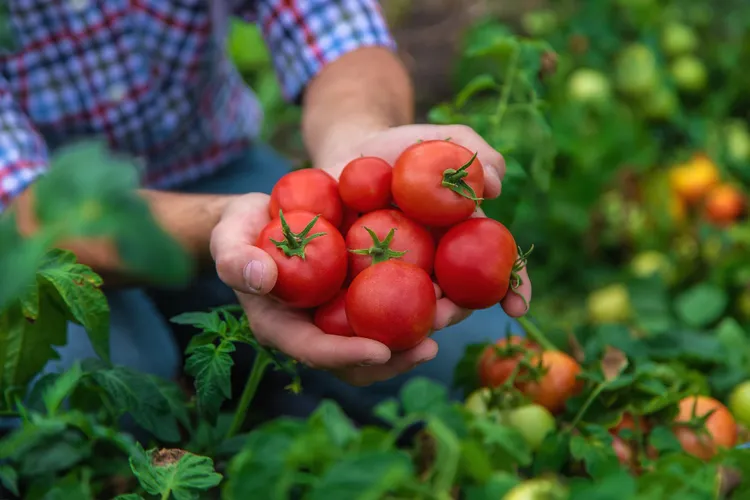
Vine-ripened is the standard everyone chases, but for a genuine number of tomatoes, picking slightly before full vine-ripeness actually produces better eating quality, not worse. The difference comes down to what "ripe" means for flavor versus what it means for the plant.
Reading the Signs of Ripeness
Color is the most obvious cue but not the only one worth checking. A tomato that's fully colored but still hard hasn't finished ripening internally; the sugars and acids that define flavor develop over the final day or two even after color looks complete. The most reliable combined signal is color plus a slight give when gently squeezed, similar to judging a ripe avocado or peach.
- Color: Should match the variety's expected mature color fully, whether that's red, orange, yellow, or a striped heirloom pattern.
- Firmness: A slight yield to gentle pressure, not hard, not mushy.
- Ease of detachment: A ripe tomato usually separates from the vine with a gentle twist rather than requiring force.
- Aroma: A ripe tomato smells noticeably tomato-like at the stem end; an underripe one smells mostly of green plant matter.
Why Picking Slightly Early Sometimes Wins
This runs counter to a lot of garden advice, but tomatoes are climacteric fruit, meaning they continue ripening after being picked, as long as they've reached what's called the "breaker" stage, the point where the blossom end first shows a break from solid green to a hint of color. A tomato picked at breaker stage and ripened at room temperature develops nearly identical flavor to one left on the vine, with two real advantages: it's protected from pests, cracking, and sudden weather damage during the final ripening days, and you control the timing rather than the weather.
This matters most in regions with unpredictable late-season rain, which can cause a nearly-ripe tomato to split overnight, or in gardens with heavy pest pressure from birds or squirrels that target the reddest fruit first.
Harvesting Technique
Support the fruit in one hand and twist gently at the stem, or use garden snips to cut the stem just above the calyx (the small green cap) rather than pulling. Pulling risks tearing the stem from the vine, which can damage the plant and leave an open wound that invites disease. Harvest in the morning when fruit is cool and firm rather than in the heat of the afternoon, which helps flavor and shelf life slightly.
End-of-Season Green Tomatoes
As the first frost approaches, most gardens still have a significant number of green, unripe tomatoes on the vine that won't finish ripening outdoors once temperatures drop consistently below 50°F (10°C). Rather than losing this fruit, harvest anything past the marble-size stage before frost hits.
Sort green tomatoes into two groups. Fully mature green tomatoes (firm, full-sized, pale green with a slight color break starting) will ripen indoors over the following one to three weeks if stored at room temperature, ideally in a single layer, not touching, checked every few days for developing color. Genuinely immature green tomatoes, smaller and hard with no sign of a color break, generally won't ripen well and are better used in dedicated green tomato preparations like fried green tomatoes or green tomato chow-chow rather than waiting on them to turn red.
Harvest Frequency
Check plants every one to two days once fruit starts ripening, especially during peak summer heat when tomatoes can go from perfectly ripe to overripe within 24 to 48 hours. Leaving ripe fruit on the vine too long doesn't just risk splitting and pest damage, it also signals the plant to slow production of new flowers, since the plant's priority shifts toward maturing existing seed rather than setting new fruit.
What Happens Immediately After Harvest
Where a tomato goes right after picking matters almost as much as when you picked it. Refrigeration immediately after harvest is one of the most common mistakes gardeners make, and it damages flavor in a way that can't be undone once it happens. See our storage guide for exactly how to handle tomatoes at every stage from just-picked to fully ripe.
Ripening Stages Explained in Detail
Commercial tomato grading uses a defined color scale that's useful for home gardeners too, even informally. The stages run: mature green (full size, hard, no color break), breaker (a small area of pink or yellow beginning at the blossom end), turning (30 to 60% color development), pink, light red, and finally full red or the variety's mature color. Fruit picked at breaker stage and allowed to finish ripening off the vine reaches full color and comparable flavor to vine-ripened fruit within several days to a week at room temperature, since the sugars and internal ripening processes continue independent of the vine once the fruit has reached breaker stage.
Fruit picked earlier than breaker stage, still fully or mostly green with no color development at all, does not ripen the same way. It may eventually soften and change color somewhat, but flavor development stalls significantly compared to fruit picked at or after breaker stage, which is the practical reason breaker stage functions as the earliest recommended picking point for fruit destined to ripen off the vine.
Weather-Driven Harvest Decisions
Heavy rain forecast within a day or two of a tomato reaching full ripeness is a common trigger for early harvest, since a suddenly rain-soaked, nearly-ripe tomato is prone to splitting as it absorbs water faster than its skin can stretch, the same mechanism behind blossom end rot's cracking cousin. Picking slightly early ahead of a known heavy rain event, then finishing ripening indoors, often produces a better outcome than leaving fruit on the vine to be split or damaged.
Similarly, an approaching heat wave with temperatures consistently above 95°F (35°C) can cause even ripe fruit to soften unusually fast or develop sunscald on exposed sides; harvesting slightly ahead of extreme heat protects fruit quality in a way that waiting doesn't.
Harvesting for Different End Uses
What you plan to do with the fruit affects optimal harvest timing slightly. Tomatoes destined for immediate raw eating benefit from full or near-full ripeness for maximum flavor. Tomatoes headed for a sauce that will simmer for an hour anyway have more flexibility, since cooking concentrates and transforms flavor regardless of starting ripeness within a reasonable range. Tomatoes intended for canning are sometimes picked at slightly firmer ripeness specifically because firmer fruit holds its shape and texture better through the canning process than an overripe, very soft tomato would.
Tools for Harvesting
A simple pair of garden snips or scissors reduces the risk of stem damage compared to twisting or pulling by hand, especially for varieties with tougher stems. For heavy harvest days during peak season, a shallow, wide basket or tray works better than a deep bucket, since tomatoes piled deep are more prone to bruising each other under their own weight, the same concern that applies to storage after picking.
What Comes Right After the Basket
Sorting immediately after harvest, separating fully ripe fruit destined for near-term eating from underripe fruit that needs more time, and setting aside any damaged or split fruit for immediate use rather than storage, saves significant frustration later. A damaged tomato left mixed in with sound ones tends to accelerate spoilage in whatever it's touching, so a quick sort at harvest time is worth the extra few minutes. From here, correct storage protects everything this stage worked to preserve; see our storage guide for specifics.
For the complete lifecycle, from seed to plate, see the complete Tomatoes: Seed to Plate guide.
A Quick Reference for Ripeness Cues
- Color: Fully developed for the variety, no green shoulders remaining.
- Firmness: Slight give under gentle pressure, not hard, not mushy.
- Detachment: Separates from the vine with a gentle twist.
- Aroma: Noticeably tomato-scented at the stem end.
Comparing Home Harvest to Store-Bought Timing
Commercial tomatoes are almost always picked well before this guide's ripeness standard, often at breaker stage or earlier, specifically to survive shipping and extended shelf time, which is a large part of why grocery store tomatoes taste noticeably blander than home-grown fruit picked closer to full ripeness. Understanding this difference reframes what "ripe" should mean for home harvest: closer to the standard described here than to what most people are used to from store-bought produce.
Frequently Asked Questions
Can I harvest tomatoes after a light frost? A light frost damages exposed fruit, causing a mealy texture and off flavor even if the tomato still looks intact. Fruit harvested before frost hits, even if slightly underripe, generally produces a better result than fruit harvested after frost exposure.
Why did my tomato split on the vine right before I picked it? Splitting on the vine almost always traces back to a sudden increase in water availability, heavy rain or a big watering session after a dry stretch, causing the fruit to expand faster than the skin can accommodate. Split fruit is still usable if harvested and used promptly, but won't store as well as intact fruit.
Is it better to harvest in the morning or evening? Morning, when fruit is cool from overnight temperatures and the plant is well-hydrated, generally produces fruit with a slight edge in post-harvest quality and shelf life compared to fruit picked in the heat of the afternoon.
How do I know if a green tomato is worth trying to ripen indoors versus using it green? A green tomato showing any hint of a color break at the blossom end, or one that yields slightly to gentle pressure despite still being green, is a good candidate for ripening indoors. A rock-hard, uniformly dark green tomato with no give is better used in a dedicated green tomato preparation.
Building the Habit of Daily Checks
Once a plant starts producing at volume, checking it daily, even briefly, becomes the single habit that most affects how well a harvest turns out. A quick walk past the plants each morning or evening, picking anything ready and noting what's close, takes only a few minutes but prevents the two most common harvest mistakes: fruit left too long and lost to splitting or pests, and fruit picked too early out of impatience before it's actually developed full flavor.
Handling a Larger Than Expected Harvest
A well-tended plant in peak season can produce more ripe fruit in a single week than seemed plausible earlier in the summer, and it's worth having a rough plan in mind before that happens rather than being caught off guard. Knowing in advance which tomatoes are headed for immediate eating, which for short-term storage, and which for preservation turns a potentially overwhelming glut into a manageable, even satisfying, part of the season.
Sharing or Selling a Surplus Harvest
A single well-tended plant, let alone several, frequently produces more than one household can use even accounting for cooking and preservation. Sharing surplus with neighbors, donating to a local food pantry that accepts fresh produce, or a small farm-stand-style sale are all reasonable outlets once storage and preservation capacity is genuinely maxed out, keeping a good harvest from going to waste simply because it exceeded what one kitchen could process in time.
Whatever the destination for a given tomato, fresh eating, cooking, sharing, or preserving, getting the harvest timing right at the very start is what gives every later choice the best possible raw material to work with.
A little planning ahead of the heaviest harvest weeks turns what could be a stressful surplus into a smooth, satisfying part of the growing season rather than a scramble.
Even experienced gardeners occasionally misjudge a picking window; treating an early or late harvest as a minor learning moment rather than a failure keeps the whole process feeling manageable rather than pressured.
Latest









